Page 92 - Blog
- - September 17, 2025
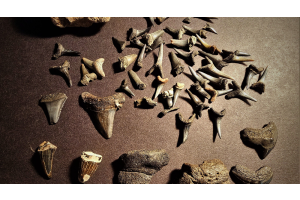
When you hold a fossilized shark tooth in your hand, you’re not just having a piece of bone—you’re holding a story. Each ridge, curve, and serration is a silent record of life in the oceans millions of years ago. Among the most famous teeth ever discovered are those of the Megalodon, the prehistoric giant that ruled the seas, and the Great White Shark, the apex predator still patrolling our oceans today. At first glance, both teeth look sharp and menacing, but a closer inspection reveals profound differences that tell us much about how these two predators lived, hunted, and thrived.
So, why do Megalodon teeth and Great White teeth look so different? The answer lies in their size, shape, diet, and even the age of the teeth themselves. These differences offer fascinating insights into the way each shark adapted to its world.
The Giants of the Sea: Megalodon’s Legacy
The Megalodon, which lived between 23 and 3.6 million years ago, was one of the largest predators the Earth has ever seen.
- - September 17, 2025
In the vast world of fossil collecting, there are pieces that inspire admiration, and then there are treasures that ignite obsession. Among the countless marine fossils scattered across the globe, few command the reverence and desire of collectors quite like the copper-red Megalodon teeth unearthed in North Carolina.
These teeth are not just relics of an extinct giant, they are natural works of art, geological marvels, and undeniable status symbols in the fossil-collecting community. Their fiery coloration, extreme rarity, and flawless preservation make them the crown jewels of shark tooth collecting. For enthusiasts and professionals alike, securing one is less a purchase and more an initiation into an elite circle of collectors.
But what exactly makes copper-red Megalodon Tooth from North Carolina so revered, and why do collectors universally refer to them as the “Holy Grail” of shark teeth? The answer lies in a mix of history, geology, rarity, and sheer beauty.
The Legend of the Megalodon
- - September 17, 2025
When you hold a Megalodon tooth in your hand, you’re not just grasping a relic, you’re connecting with an apex predator that ruled Earth’s oceans millions of years ago. These fossilized teeth are more than collectible treasures; they are tangible fragments of prehistory, carrying stories of geological processes, biological evolution, and oceanic ecosystems long vanished. Yet in today’s fossil market, not every tooth tells the truth.
The rise of replicas and counterfeit specimens has blurred the line between authenticity and imitation, making it essential for collectors, enthusiasts, and even casual admirers to learn how to distinguish between the two. Authentic Megalodon teeth command significantly higher prices, not only because of their rarity, but also due to the scientific and historical significance they carry.
Understanding why real megalodon tooth fossils are more valuable requires more than surface-level observation; it demands an appreciation of the subtle markers of authenticity,
- - September 17, 2025
The ocean has always held stories too vast to fully comprehend, filled with creatures that vanished long before humans walked the earth. Among those giants was the megalodon, a predator whose presence is known today only through remnants it left behind. One of the most intriguing relics is the megalodon tooth fossil, a discovery that stirs both curiosity and awe when held in hand. Its serrated edges and immense size hint at the sheer scale of the ancient shark, connecting us to a time when oceans were ruled by giants.
Before exploring how to recognize and appreciate these incredible fossils, it’s worth asking: how can you be sure what you find is truly authentic? That question forms the heart of this journey into the science and wonder of identifying, studying, and cherishing these rare pieces of prehistory.
The Ocean’s Giant Hunter
The megalodon is often portrayed as the ultimate apex predator of ancient seas. Measuring up to 60 feet long, it dwarfed even the great white shark of today.
- - September 17, 2025
Sharks have always captured human attention, inspiring stories, research, and a sense of awe. For centuries, these creatures have symbolized strength and adaptability within the marine world. Yet among all species, one name echoes the loudest in prehistoric history. Scientists and fossil collectors have pieced together fragments of a creature that once ruled the oceans. The Carcharocles megalodon represents more than a long-extinct shark—it is a poignant reminder of a time when the seas were ruled by massive predators, shaping ecosystems in ways that we still study today.
Transitioning from its reputation as an apex predator, let’s look at what we know about its extraordinary size, survival, and legacy.
A Predator of Remarkable Scale
One of the most astonishing facts about this ancient shark is its sheer size. Today’s largest sharks, like the great white, reach impressive lengths, but they are small compared to estimates of this giant. Some researchers believe it could grow to be over
- - September 17, 2025
There’s something undeniably captivating about holding a relic from millions of years ago. Fossils connect us to a time when enormous creatures ruled the oceans, leaving behind fragments of their existence. Among these, teeth from the mighty megalodon spark an extraordinary fascination. For collectors and enthusiasts alike, spotting a megalodon tooth for sale can feel like uncovering a lost chapter in history.
The thought of owning one is more than a purchase—it’s a way to keep a piece of the ocean’s most mysterious past alive. And that’s where the journey begins.
The Mystery Behind Ancient Giants
The megalodon wasn’t an ordinary predator. Imagine a shark so immense that even whales were part of its diet. Scientists estimate that this creature could grow up to sixty feet in length, making it one of the largest predators to have ever existed.
Its teeth, some over six inches long, remain the most unmistakable evidence of its dominance. Each fossilized tooth tells a story: serrated edges designed
- - September 17, 2025
For millions of years, one of the largest predators to ever roam Earth’s oceans ruled with unmatched dominance. This creature continues to spark curiosity today, not because it swims in modern waters, but because fragments of its past still remain. Among the many mysteries surrounding this ancient shark, one question draws the most attention: how can we piece together the story of its life from the remnants left behind? A megalodon shark skeleton may not exist in the same way as bones from land-dwelling animals. Still, teeth and fossilized remains help us imagine the extraordinary scale of this ocean titan.
To move from fascination to discovery, let’s dive into how scientists and collectors bring these fragments of the past together, shaping an image of a predator that still captures imaginations worldwide.
Why a Skeleton is Rare in the Sea
Sharks are different from many animals because their bodies are made mostly of cartilage rather than bone. Cartilage is lighter and more flexible, perfect
- - September 17, 2025
Far beneath the waves of prehistoric oceans, an apex predator once ruled with unmatched dominance. The giant megalodon shark, often considered the most formidable marine predator to have ever existed, left behind traces of its existence in the form of fossilized teeth. Among these relics lies one of the most extraordinary finds: the world's biggest megalodon tooth, a discovery that not only captures human imagination but also reshapes what we know about this ancient predator. Unlike typical fossils, this one brings forth questions, curiosity, and awe about life millions of years ago.
To understand why this find is so unique, it’s worth exploring its size, history, and the deep mysteries it carries from a time when colossal sharks ruled the seas.
The Ocean’s Apex Hunter
The megalodon was no ordinary shark. Stretching up to 60 feet in length, it preyed on whales, large fish, and other marine animals with ease. Its teeth, serrated and shaped like giant blades, were designed to slice through
- - September 17, 2025
The ocean has always been a keeper of mysteries. From the soft ripple of waves brushing the shore to the deep abyss where sunlight fades, it holds a history longer than we can fathom. Among these hidden stories are remnants of creatures that once roamed the seas millions of years ago. Imagine the thrill of man finding a tooth from a megalodon, a predator so massive that it reigned as the ultimate ruler of the ancient oceans. A single fossilized tooth is not merely a relic; it is a direct connection to a time when giants thrived beneath the surface.
That discovery is more than an artifact—it is a story that links the present with a time when sharks grew larger than buses, and their teeth were as sharp as nature could create. Let’s take a journey through what makes such a find so extraordinary and why these fossilized treasures capture the imagination of people across the globe.
The Ocean’s Ancient Hunter
Megalodon was no ordinary shark. Scientists believe it lived approximately 23 to 3.6
- - September 17, 2025
Long before humans walked the Earth, the oceans were ruled by giants. Among them was the megalodon, a shark that grew larger than a city bus and carried teeth as big as a human hand. Fossils of this prehistoric predator continue to spark curiosity, but what truly captures the imagination are the slightest traces of its beginning. A baby megalodon tooth, though rare, provides a glimpse into the early life of a creature that dominated the seas for millions of years.
These fossils are more than remnants of a past era; they are silent storytellers, offering pieces of a puzzle that scientists and collectors alike are still trying to complete.
The Significance of Early Fossil Finds
When people think of megalodon fossils, they picture massive triangular teeth with serrated edges, each one capable of slicing through bone and flesh. Yet, the smaller teeth reveal something equally fascinating. They represent a time when the shark was still growing, adapting, and learning to survive in a world