Page 68 - Home Page Latest Post
- - September 29, 2025
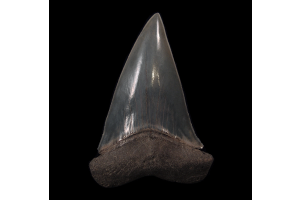
At Buried Treasure Fossils, we take pride in offering an exceptional collection of authentic Megalodon teeth and fossil shark jewelry for enthusiasts, collectors, and anyone captivated by prehistoric wonders. The legendary Megalodon shark, which dominated Earth’s oceans during the Miocene and Pliocene epochs, remains one of the most extraordinary creatures ever to exist. Growing up to an incredible 60 feet in length, this apex predator ruled the seas millions of years ago.
Today, the opportunity to own a genuine Megalodon tooth or a beautifully crafted Megalodon tooth necklace in North Carolina allows you to connect directly with this fascinating part of Earth’s history. Our curated selection combines authenticity, quality, and a deep appreciation for the natural beauty of these prehistoric treasures.
The Mighty Megalodon: An Ocean Giant of the Past
The Megalodon wasn’t just another shark; it was the largest known shark species to ever inhabit the oceans. With estimated lengths reaching
- - September 29, 2025
Fossil collectors often seek large and rare specimens that convey a powerful story. For years, adult Megalodon teeth held the spotlight due to their size and sharp presence. Recently, attention has shifted toward baby Megalodon teeth, which bring something more subtle yet equally valuable. Their size does not lessen their importance. Many collectors now recognize that rarity and condition often matter more than scale. The baby size megalodon tooth remains small, but the interest in these pieces continues to grow for solid reasons grounded in fossil science and collecting trends.
Let’s explore more detailed information:
Rarity Adds Long-Term Value to Smaller Fossils
You will rarely find baby Megalodon teeth in fossil beds compared to their adult counterparts. These juvenile teeth formed during the early growth stage of the Megalodon and did not often survive the fossilization process. This rarity increases their market value, making each discovery feel more meaningful. Collectors usually
- - September 29, 2025
For fossil hunters and collectors, few finds inspire as much fascination as the Indonesian Megalodon tooth. These fossilized relics of a long-extinct marine predator offer not only historical significance but also visual beauty. At first glance, though, telling a real Indonesian Megalodon tooth from an imitation can be tricky. That’s where expertise, attention to detail, and trusted sources come into play. We understand the thrill of adding an extraordinary piece to a collection—especially one as geographically and visually distinct as an Indonesian Megalodon tooth.
Let’s explore what sets these fossils apart and how to confidently identify an authentic specimen.
Understand the Origin: Why Indonesia Matters
Fossils unearthed in Indonesia exhibit unique characteristics due to the region's geological makeup. The volcanic sediment layers where these fossils are often found have helped preserve their form, coloration, and detail, unlike specimens from other localities. These conditions contribute
- - September 29, 2025
Fossil collecting is one of those pursuits that sparks curiosity, passion, and sometimes even a little competition. Whether it’s the awe of holding a piece of ancient history or the thrill of adding something rare to a collection, value plays a vital role in the journey. As collectors, we often ask: What exactly makes a fossil valuable? From massive shark teeth unearthed along ancient coastlines to delicate bones preserved in stone, certain features consistently shape their worth. A megalodon tooth in North Carolina, for example, can fetch attention not only for its prehistoric origins but also for its striking qualities.
Let’s explore the main factors that collectors look at when determining the value of a fossil.
Size: Bigger Isn’t Always Better, But It Often Helps
When it comes to fossil value, size is one of the first things collectors notice. Larger specimens capture attention instantly because they reflect the incredible scale of prehistoric life. A massive megalodon tooth can
- - September 29, 2025
Megalodon teeth attract fossil hunters who recognize their rarity and historical value. These teeth once belonged to an apex predator that ruled prehistoric seas. Today, you can trace its legacy through Florida’s rivers and coastlines. Many enthusiasts begin their search by understanding where to find megalodon teeth in Florida. This question leads them into sediment-rich zones shaped by ancient geology. Those who succeed usually observe the terrain closely, identify recurring fossil layers, and return to known sites during the right season. A focused, patient approach increases the chances of turning a trip into a rewarding experience.
Let’s explore more detailed information:
Ancient waters once covered the land, leaving behind layers of fossils
Florida’s prehistoric history plays a central role in explaining why so many fossil teeth are discovered today. Millions of years ago, shallow seas covered this region. As marine life thrived and died, sediments gradually buried bones and teeth.
- - September 29, 2025
People continue to show strong interest in Megalodon teeth, not just as fossils but as serious collectibles. Many of them want to understand what drives their pricing and how they can tell if a tooth carries real market value. Size, shape, color, and condition all influence the price, but not everyone understands how each factor affects it. When you take the time to evaluate the right aspects, you can make confident decisions based on facts. Understanding the value of megalodon teeth helps collectors and sellers approach the market with clarity and purpose.
Let’s explore more detailed information:
Check the Size Before You Estimate Tooth Worth
You should always start by checking the size of the tooth. Larger teeth often attract more attention because collectors view them as rare and valuable. Many collectors consider teeth above five inches more valuable than smaller ones, and six-inch teeth usually command the highest prices. Although size matters, it does not determine value in and
- - September 29, 2025
Mass producers flood the fossil jewelry market with fake teeth that confuse and mislead. These copies utilize plastic or resin molds that appear appealing but lack a genuine connection to history. People often feel disappointed when they realize the tooth they bought tells no ancient story. The surface feels too smooth, the weight too light, and the colors too uniform. These items offer no value and no indication of a genuine prehistoric presence. Buyers start noticing the differences and lose trust in what they purchase. To avoid that frustration, many now search for genuine fossils that are appropriately certified and have precise details.
Let’s explore more detailed information;
The Difference a Certified Fossil Creates
We offer certified fossils that speak for themselves. You will feel the difference the moment you hold one. The surface tells its story through natural texture and pressure-born patterns. Each tooth displays original wear, rough edges, and uneven mineral deposits. These
- - September 29, 2025
Collectors eventually reach a point where size changes the conversation. When you hold a Megalodon tooth that measures 7 inches or more, you feel something shift. You no longer browse for a basic addition to your shelf. You now pursue a rare fossil that sets your collection apart. That leap in scale tells a different story, one that connects to power, time, and rarity. Buyers actively search for a 7-inch megalodon tooth for sale, not just for its size but for the presence it brings. This fossil has an impact on both science and storytelling.
Let’s explore more detailed information:
Size Separates Common from Rare
Not every large Megalodon tooth carries the same meaning. Teeth that pass the 7-inch mark enter a small category that most collectors never reach. Only a few Megalodons ever grew to that size, and even fewer left behind teeth that survived in near-complete condition. The size instantly signals rarity. It tells collectors they’ve moved into elite fossil territory. When you find
- - September 29, 2025
The Megalodon shark, an awe-inspiring predator of prehistoric oceans, is believed to have been one of the largest animals to ever exist on Earth. With an estimated length of up to 60 feet and a weight ranging from 50 to 75 tons, this ancient giant ruled the seas millions of years ago. Its very name, “Megalodon,” translates to “large tooth,” inspired by the massive fossilized teeth left behind.
Holding a Megalodon tooth today is like holding a piece of ancient history — a direct connection to a creature that dominated Earth’s waters with unmatched power. At Buried Treasure Fossils, we take pride in offering an extraordinary collection of genuine Megalodon teeth for collectors, hobbyists, and enthusiasts around the world.
The Dominance of the Megalodon Shark
During the Miocene and Pliocene epochs, the Megalodon was the apex predator of the seas. Unlike any other marine animal, it possessed an incredible combination of size, speed, and strength that allowed it to thrive across the oceans.
- - September 29, 2025
Megalodon teeth possess both physical mass and profound historical significance. These fossilized teeth belonged to a prehistoric predator that ruled the ancient seas. Their massive size and distinct serrated edges continue to inspire collectors and curious minds. Many people ask can you buy a megalodon tooth and the answer rests on understanding authenticity, availability, and the reasons that make these fossils worth owning. Buying one becomes possible when buyers know what to search for and why those details matter.
Let’s explore more detailed information:
Learn How Fossils Differ From Regular Shark Teeth
Megalodon teeth differ from ordinary shark teeth in more ways than size alone. Their preservation, fossil age, and recovery conditions define their uniqueness. These teeth come from a species that lived over three million years ago. Divers recover them from prehistoric coastal deposits, while erosion and excavation also reveal them. Every detail about where and how someone finds a