Few fossilized relics spark as much fascination as the teeth of two legendary predators: the mighty Megalodon and the Great White. Collectors, researchers, and enthusiasts are captivated not only by their size and rarity but also by the stories they tell about dominance, survival, and the mysteries of the ancient ocean. These teeth embody both science and spectacle, and we can feel the pull of history each time we hold one. It is here, in the enduring debate of the Megalodon vs the great white tooth, that the allure of collecting takes on dramatic proportions.
Let’s explore why these fossilized treasures remain the most talked-about specimens in the fossil world.
The Ancient Titan vs The Ocean’s Modern Hunter
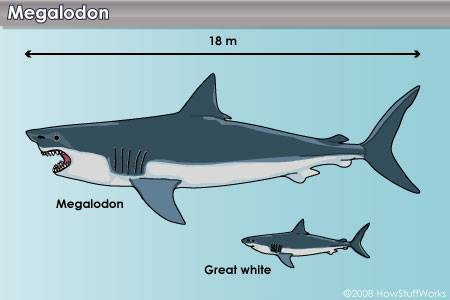
The Megalodon, often called the “mega-tooth shark,” reigned as the ultimate predator of the prehistoric seas roughly 3.6 million years ago. Its teeth, some exceeding seven inches, tower over those of the Great White. By contrast, the Great White—still prowling our oceans today—commands fear and respect with teeth that can reach about three inches long.
Collectors often compare these fossils not just in size, but in what they represent: the raw, overwhelming dominance of an extinct titan against the continuing legacy of one of the ocean’s most feared predators. To hold a Megalodon tooth is to feel a connection to a vanished age of giants. To examine a Great White tooth is to touch a story that is still unfolding in the deep.
Why Collectors Can’t Look Away
Collectors know that fossil teeth are more than relics—they are physical evidence of survival, predation, and the brutal contests of life millions of years ago. Megalodon teeth, especially those that retain their serrations and enamel, are prized for their immense size and striking appearance. Great White teeth, though smaller, carry a living connection, reminding us that a formidable predator still swims today.
What drives the collector’s fascination is the ongoing conversation between past and present. Megalodon teeth are sought-after treasures for their grandeur, while Great White teeth are symbols of continuity. The comparison between them keeps demand alive, and fossil shows, auctions, and private collections thrive because of it.
Pop Culture: Fuel for the Debate
If science stirs curiosity, pop culture pours gasoline on the fire. From blockbuster films featuring giant prehistoric sharks to television specials that dramatize shark encounters, the Megalodon vs great white tooth rivalry has been etched into popular imagination. Documentaries often ask “Who would win?” fueling endless debates among fans and fossil hunters alike.
This constant exposure ensures that even people outside the collector community recognize the allure. For collectors, it’s a validation that what they hold in their hands is not only rare but also central to a cultural fascination that stretches far beyond the world of paleontology.
The Hunt for Rare Finds
The thrill of discovery intensifies the passion. Fossil hunters scour riverbeds, quarries, and ocean floors for these prized specimens. A flawless Megalodon tooth can fetch dramatic attention at auctions, while rarer Great White fossils from specific locations command equal intrigue. Condition, coloration, and size all play a role in determining value, and collectors often speak of their finds with awe as if recounting the capture of something truly alive.
This hunt is not simply about possession; it’s about the chase for a piece of Earth’s untamed history. Each tooth recovered is a relic of survival and death played out in prehistoric seas, and collectors embrace the drama of that story.
Why the Debate Will Never Die
The Megalodon represents an apex predator that disappeared, while the Great White symbolizes one that survives and thrives. These two narratives—extinction and endurance—are woven into the fabric of why the debate will never fade. For every collector, the question of supremacy lingers. Did the Megalodon vanish because of climate, prey scarcity, or the rise of the Great White itself? Each tooth, whether massive and ancient or sleek and modern, offers a piece of that puzzle.
This clash between history and the present keeps conversations alive in fossil clubs, museums, and collector forums. It’s not just about which shark was deadlier—it’s about what the fossils reveal about survival on Earth’s grand stage.
A Sense of Awe in Every Collection
When placed side by side, a Megalodon tooth and a Great White tooth create a visual drama that captures anyone’s attention. The contrast in size and shape evokes awe, making them display centerpieces in private collections and museums alike. Collectors often highlight them as conversation starters, pieces that draw both admiration and curiosity.
The teeth are not silent artifacts—they speak of oceans that once teemed with colossal predators and still harbor their descendants. Every collector who adds these fossils to their collection carries with them a sense of the grand story of life on Earth.
The Collector’s Perspective
Ask any fossil collector, and they’ll tell you that these teeth are more than just sharp relics of the past. They are trophies of natural history. The Megalodon tooth offers a glimpse into a vanished giant’s reign, while the Great White tooth carries the immediacy of a predator we still fear today. Collectors revel in the rarity, the historical drama, and the constant debates that swirl around these teeth.
And it is in that comparison, the constant weighing of power and legacy, that the obsession finds its fuel. The dramatic narrative behind these fossils is why they remain the centerpiece of fossil markets and collector showcases across the world.
Conclusion: Why the Fascination Endures
The allure of shark tooth fossils has endured for centuries, but none captivate more than those of the Megalodon and the Great White. Their size, symbolism, and connection to both past and present keep them at the heart of fossil collecting. From the colossal relics of an extinct giant to the sharp trophies of a predator that still roams the oceans, these teeth represent both fear and fascination.
For collectors, enthusiasts, and even casual observers, the debate of the Megalodon vs the great white tooth will never truly end. It is a story that bridges prehistory and modern seas, and it keeps us enthralled. And as collectors, we know the thrill of holding these dramatic fossils in our hands, a reminder that the ocean’s greatest predators—past and present—remain alive in the fossilized evidence they left behind.
Contact us today to explore extraordinary fossil collections—together we can bring history’s most dramatic ocean predators into your hands.