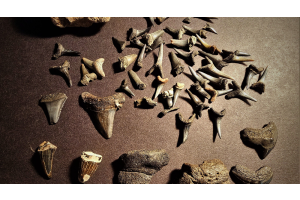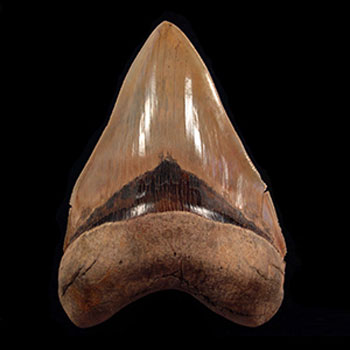
The thought of unearthing a fossilized remnant of the ocean’s greatest predator stirs something ancient inside us. Standing at the edge of a riverbed or walking along a sandy shore, many imagine the thrill of holding history in their hands—a tooth belonging to a shark that once ruled the seas. The pursuit is exciting, but it’s also easy to misstep. We often learn through trial and error, but when it comes to finding a megalodon tooth, mistakes can mean missed discoveries, damaged fossils, or even unsafe adventures. And so, as we embark on this journey together, we’ll explore not only how to look but also how to avoid the errors that beginners most commonly make.
Let’s explore the pitfalls you should sidestep if you want your fossil-hunting experience to be both rewarding and responsible.
Misidentifying What You’ve Found
The first mistake most beginners make is confusing ordinary rocks or shark teeth from smaller species with megalodon teeth. Nature has a way of disguising treasures. Dark river stones may mimic enamel, while worn fragments of other shark species can appear deceptively large.
The key difference lies in the triangular shape, serrated edges, and the overall heft of a genuine megalodon tooth. A fragment may spark excitement at first glance, but careful inspection is crucial. Lightly run your finger along the edge—tiny serrations often linger, even in worn specimens. Check the root: megalodon teeth generally have wide, sturdy roots compared to slimmer species.
When excitement takes over, the mind often convinces us we’ve found something extraordinary. To truly train your eye, spend time looking at authentic specimens. Visit fossil shows, study images from reputable fossil dealers, and notice how coloration, size, and preservation vary. The more familiar you become, the less likely you’ll mistake a pebble for a prehistoric predator’s tooth.
Forgetting That Condition Tells a Story
Another beginner's mistake lies in overlooking the condition of the tooth. Fossils are not just trophies—they are storytellers. A heavily worn specimen may have tumbled through currents for centuries, while one with sharp serrations may have been sheltered from the elements.
New collectors often focus solely on size. But a six-inch specimen with severe erosion may be less remarkable than a smaller tooth with intact edges and a glossy enamel finish. Preserving this distinction helps you appreciate the fossil not only as an object but also as evidence of the natural forces that shaped it.
Ignoring these details can lead to disappointment later. What at first feels monumental may lose its magic when compared to better-preserved examples. Learning to recognize preservation quality early keeps your collection meaningful rather than accidental.
Overlooking the Environment
The setting in which you search holds just as much importance as the fossil itself. Beginners often rush into waterways or beaches without thinking about the geological history of the area. Not every shoreline or riverbed hides megalodon teeth, and searching randomly can leave you empty-handed and frustrated.
Environments with layers from the Miocene and Pliocene epochs are most promising. These periods mark the reign of the megalodon, and sediments from these eras often hold its remains. Rivers that erode ancient beds, cliffs that reveal fossil layers, and coastal stretches near known fossil deposits give you the best odds.
Before venturing out, research the geology of your location. Read local fossil hunting guides, explore maps of known fossil sites, and understand why certain areas yield teeth more frequently. Skipping this step is a common oversight that wastes both time and energy.
Mishandling Fossils After Discovery
Imagine finally discovering a tooth, only to damage it moments later. This is where beginners often falter. Pulling too hard, dropping the specimen, or hastily cleaning it with harsh tools can strip away the very qualities that make it special.
When you encounter a tooth, handle it gently. If it is embedded in sediment, work slowly with your fingers or a soft tool. Avoid using sharp instruments that can scratch enamel or chip edges. Once free, resist the urge to scrub it clean with chemicals or wire brushes. Fossilized enamel is porous and can stain, crack, or erode when treated too harshly.
Instead, rinse the specimen with fresh water and let it dry naturally. If sediment clings stubbornly, use a soft toothbrush with patience rather than force. Respecting the fossil from the start ensures that your treasure retains its beauty for years to come.
Safety Mistakes That Can Cost You
The romance of fossil hunting often blinds beginners to real dangers. Wading into fast-moving rivers without proper gear, climbing unstable cliffs, or ignoring tide schedules can put collectors in harm’s way. The search for history should never cost safety.
Always be mindful of your surroundings. Check weather conditions before setting out. Wear sturdy footwear, use flotation devices when necessary, and never hunt alone in treacherous terrain. Fossil-rich rivers can shift unexpectedly, and cliffs may collapse with little warning.
There’s an undeniable thrill in chasing the unknown, but risk should not define the adventure. Safe practices not only protect you but also give you the chance to enjoy the hunt for years to come.
The Myth of Quantity Over Quality
Beginners often measure success by the number of teeth collected rather than their significance. Filling a bag with small fragments may feel rewarding at first, but it quickly dulls the more profound appreciation of the fossil record.
The most seasoned collectors know that one remarkable tooth—sharp serrations, intact enamel, and a root that holds its form—outshines dozens of fragments. Choosing quality over quantity sharpens your skills, builds a more meaningful collection, and teaches patience. Fossil hunting is not a race; it’s a slow conversation with history, one that rewards persistence more than haste.
Romanticizing the Hunt
There is something undeniably poetic about fossil hunting. The idea that we can hold in our hands a relic of a creature that swam millions of years ago is both humbling and exhilarating. Yet beginners sometimes forget to pause and take in the moment. The rush to bag a discovery often overshadows the wonder of the environment itself—the sound of river currents, the salt of ocean air, the thrill of a horizon that might hide history beneath its sands.
Fossil hunting is as much about the journey as the find. When you slow down and allow yourself to see not just the tooth but the story of the landscape, your collection takes on an entirely new meaning. This is not just gathering objects; it is weaving yourself into the timeline of the earth.
Embracing the Learning Curve
Everyone starts as a beginner. Mistakes are part of the process, but awareness transforms errors into wisdom. When you misidentify a fossil, you sharpen your eye for the next find. When you handle a specimen too roughly, you learn the importance of preservation. When you rush into an unsafe environment, you come to respect the forces of nature more deeply.
The joy lies in progress—each mistake avoided, each lesson learned, brings you closer to becoming not just a collector but a steward of history.
Conclusion: Walking With Giants
At the heart of this pursuit lies a bond with the giants of the deep. Avoiding misidentification, preservation errors, and unsafe practices honors that connection. When we speak of finding a megalodon tooth, it’s not just about acquiring a fossil—it’s about carrying a fragment of earth’s untold story.
As we wander ancient riverbeds and windswept coasts, we walk with giants. The tooth in your hand is more than a relic; it is proof that adventure, history, and discovery can live within your grasp. Respect it, preserve it, and let it remind us that the ocean’s past still breathes in our hands today.
Step into the world of ancient oceans—avoid mistakes and collect responsibly. Contact us now to start your adventure.