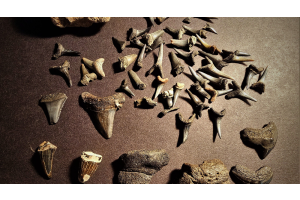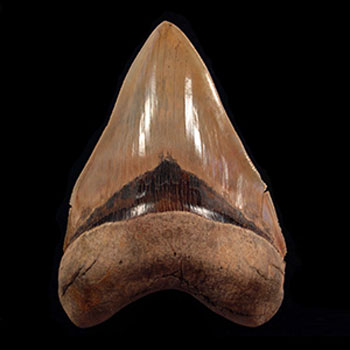
Fossil collectors and marine enthusiasts have always been fascinated by the colossal remains of the Megalodon, the largest shark to ever roam the seas. Among its remains, the teeth are the most striking—giant triangular fossils that hint at the shark’s unbelievable power. We often wonder whether every story about the “largest Megalodon tooth ever recorded” is fact or fiction, and how such finds truly reflect the scale of this legendary predator. While rare discoveries like the megalodon tooth found in 2016 made headlines, they also reignited debates about just how big these teeth—and the sharks behind them—could really be.
Let’s explore what these claims reveal, how tooth size is measured, and why these fossils are such prized treasures for collectors.
Why Megalodon Teeth Capture Global Attention
Few fossils stir as much excitement as Megalodon teeth. Their sheer size—often two to three times larger than that of great white sharks—immediately signals their significance. For collectors, a large, well-preserved specimen isn’t just a piece of natural history; it’s a centerpiece that commands attention.
The fascination comes down to two things: rarity and scale. Not every Megalodon tooth unearthed is massive. In fact, most average around three to five inches. When a tooth measuring over six inches surfaces, it instantly becomes a headline-worthy discovery. Each of these rare fossils offers not just beauty but also a direct connection to the immense predator that once dominated the oceans.
How Tooth Size Is Actually Measured
When assessing claims of record-breaking finds, it’s essential to understand how Megalodon teeth are measured. The standard measurement is taken along the diagonal from the base to the tip. This ensures consistency and allows paleontologists and collectors to compare specimens fairly.
While size is the most obvious factor, the condition of the tooth also matters. A tooth with chips or wear may measure smaller than it originally was when the shark was alive. On the other hand, perfectly preserved specimens often display their full grandeur, with sharp serrations and intact enamel.
The largest verified Megalodon teeth measure just over seven inches, though rumors of larger specimens occasionally surface. These unverified claims often spark debate in fossil circles, but without proper documentation, they remain more myth than reality.
The 2016 Discovery That Sparked Debate
The fascination with gigantic teeth was reignited by the megalodon tooth found in 2016, a discovery that circulated among fossil enthusiasts and fueled conversations about how large these sharks truly were. Though not the largest ever, it reminded collectors of the ongoing possibility of uncovering remarkable specimens.
Every new discovery, whether from coastal riverbeds, offshore dredging sites, or cliff exposures, carries the thrill of adding to the known record. Collectors know that each tooth has its own story, shaped by millions of years of geological pressure and preservation. The 2016 find underscored that we are far from finished with unearthing the hidden treasures of these prehistoric giants.
What Big Teeth Reveal About Megalodon’s True Size
Beyond the awe of their sheer size, Megalodon teeth provide direct evidence of the shark’s overall scale. Scientists estimate the length of Megalodon by extrapolating from tooth size, much like how paleontologists reconstruct dinosaurs from isolated bones.
A seven-inch tooth suggests a shark that could have exceeded 60 feet in length. These calculations highlight the sheer dominance Megalodon once held in marine ecosystems. Large teeth weren’t just functional; they were tools designed to tear through whales and other massive prey. The bigger the tooth, the more insight we gain into the evolutionary success of this apex predator.
Collecting Giant Megalodon Teeth
For fossil enthusiasts, acquiring a large Megalodon tooth is like securing the crown jewel of a collection. These pieces are not only natural wonders but also investment-worthy artifacts. Size, preservation, and provenance all play a role in determining value. A tooth over six inches in great condition commands extraordinary attention, both from private collectors and museums.
The market for these fossils is competitive, and buyers often look for specimens with intact serrations, glossy enamel, and symmetry. While smaller teeth are more common and accessible, the rarer large ones are where serious collectors focus their passion and resources.
Separating Myth from Reality
Stories of enormous Megalodon teeth larger than any verified specimen will always circulate. Some may stem from exaggerated measurements, others from misidentified fossils. True confirmation requires detailed examination, photographs, and records of origin. Without these, extraordinary claims remain unproven.
That said, the proven record already tells a story impressive enough: sharks so large they redefined what it meant to be a predator in Earth’s oceans. The fascination with bigger and bigger teeth reflects our human desire to push the boundaries of what’s possible, even when nature has already given us something incredible.
Why Enthusiasts Keep Searching
Even with thousands of Megalodon teeth already discovered, the hunt never loses its appeal. Rivers, beaches, and offshore sites continue to yield surprises for those willing to search. Collectors know that with patience and luck, they might stumble across a rare specimen that makes fossil history.
The allure isn’t just about owning a fossil; it’s about holding a tangible piece of prehistoric life. Every tooth, whether three inches or seven, speaks of oceans filled with predators far larger than anything swimming today. Enthusiasts remain driven by the possibility that tomorrow’s discovery could rewrite what we know about the Megalodon.
Conclusion
The debate over the largest Megalodon tooth ever recorded blends fact, speculation, and fascination. Verified specimens measuring over seven inches already testify to the shark’s staggering size, while claims of even larger teeth continue to spark discussion. The megalodon tooth found in 2016 reminded collectors and scientists alike that extraordinary fossils still await discovery.
We may never know if an even larger specimen lies hidden beneath layers of sediment, but the pursuit itself keeps the story alive. Collecting these fossils is more than just owning an artifact—it’s about connecting with the awe-inspiring history of one of Earth’s most dominant predators. And as enthusiasts, we share in that excitement every time a new tooth is brought to light.
Start your fossil collection today—discover authentic Megalodon teeth and own a legendary piece of prehistoric ocean history.