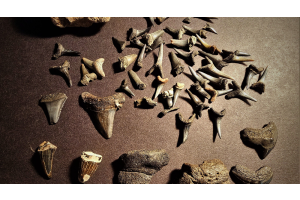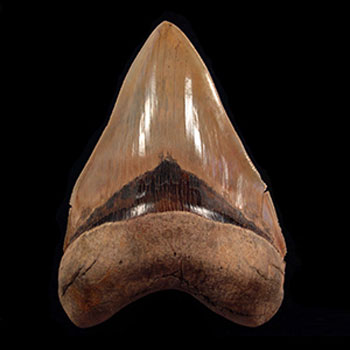
Megalodon teeth continue to fascinate collectors, enthusiasts, and paleontology fans alike. Whether displayed in private collections, studied for their ancient significance, or passed down through generations, these fossilized teeth offer a window into a time when Earth’s oceans were ruled by the largest predatory shark to have ever lived. We often find that collecting meg teeth becomes more than just a hobby—it’s an ongoing pursuit of discovery and appreciation for natural history.
Let’s explore why these fossilized giants remain at the heart of fossil-collecting communities.
A Snapshot into the Prehistoric Past
Megalodon, the apex predator of ancient oceans, lived approximately 3.6 to 23 million years ago. While the species itself is extinct, its legacy remains in the form of fossilized teeth. These teeth, often massive in size and triangular in shape, offer direct evidence of a shark that could grow up to 60 feet long.
Unlike full skeletons, which are made of cartilage and rarely fossilize, teeth are composed of dentin and enamel—hard tissues that fossilize more easily. This fundamental difference has made meg teeth far more accessible than bones from other extinct creatures. Their abundance across coastal regions has contributed to their popularity among collectors and researchers.
Natural Durability and Fossilization Process
The structure of a Megalodon’s tooth makes it incredibly resilient. Each tooth has a dense, mineral-rich composition that withstands the passage of time. Fossilization begins when a tooth becomes buried in sediment shortly after falling from the shark’s jaw. Over millions of years, minerals gradually replace organic material, preserving the tooth in its hardened form.
This durability makes Megalodon teeth more likely to be found intact than other fossil types. Their survival in riverbeds, coastal cliffs, and underwater sediment allows collectors to retrieve them with relative frequency compared to fossils of bone or cartilage. This accessibility is key to their popularity, offering a rewarding experience whether you’re combing a beach or browsing an online collection.
Locations Rich in Discovery
One of the reasons Megalodon teeth are among the most collected fossils is their global distribution. These fossils have been found on nearly every continent, including North and South America, Europe, Africa, and Australia. The teeth frequently turn up in regions like the Southeastern United States—especially along rivers in South Carolina and coastal areas of Florida.
These widespread discoveries ensure that collectors across the world can seek and acquire specimens, whether through personal fossil hunting or curated fossil shops. For those unable to hunt fossils in the field, platforms that specialize in authentic specimens offer a trustworthy solution to explore and purchase verified meg teeth.
Shapes, Colors, and Sizes That Spark Fascination
Each Megalodon tooth is unique in color, condition, and size. Variations in the fossilization process result in hues ranging from rich black and grey to coppery browns and creams. Size-wise, teeth can span from a couple of inches to well over seven inches in length, depending on the shark’s age and jaw placement.
Collectors are often drawn to these natural distinctions. The differences in coloration and wear tell their own stories—where the tooth was buried, the minerals that affected fossilization, and how the tooth weathered time. These natural aesthetics make meg teeth not only scientifically interesting but also visually striking.
A Collector’s Ideal: Availability and Variety
Unlike rare or fragmented dinosaur fossils, Megalodon teeth offer both accessibility and diversity. From pristine specimens with intact serrations to partial teeth with character-rich wear, there’s a wide spectrum available for all levels of collectors.
Entry-level enthusiasts can find affordable teeth with minor imperfections, while seasoned collectors may seek rare color variations or oversized examples. The wide range of inventory allows individuals to build a collection that reflects personal taste, budget, and curiosity.
We’ve seen how this variety supports ongoing interest. There’s always another specimen to compare, research, or add to the shelf. The satisfaction of acquiring a new piece, knowing it has survived millions of years, adds to the rewarding nature of collecting meg teeth.
A Tangible Link to Earth’s Marine History
Megalodon teeth connect collectors to a prehistoric world that once teemed with enormous marine life. Holding a tooth the size of a human hand instantly conveys the scale and power of the shark it came from. That tangible connection helps build a deeper appreciation for natural history and evolution.
This is one of the reasons these fossils are often featured in classrooms, museums, and educational outreach. They provide a physical link that sparks curiosity and encourages learning. Many collectors recall how their fascination began with a single tooth and evolved into a lifelong passion for paleontology.
Trust in the Marketplace: Authenticity Matters
With high demand comes the importance of authenticity. Not all specimens on the market are created equal, and it’s vital to choose reputable sources that verify their fossils. Real meg teeth carry unique characteristics like natural root formation, mineral coating, and weight that set them apart from replicas.
Experienced fossil dealers often provide detailed images, precise measurements, and the geological location of the find. Transparency in these details reassures collectors that the specimen they’re purchasing is genuine. For many, it’s not just about owning a fossil—it’s about honoring its journey through time.
From Shorelines to Display Cases: The Journey of a Fossil
The journey of a Megalodon tooth doesn’t end at discovery. Once retrieved from sediment or stream beds, these fossils are often cleaned, stabilized, and prepared for long-term preservation. Some are mounted for display, while others are kept in storage for future study or trade.
Collectors take pride in protecting these pieces, not only as artifacts of science but as heirlooms worth passing down. The care taken in handling and storing teeth reflects the respect and awe these ancient relics inspire.
Conclusion: Why We Keep Coming Back to Meg Teeth
There’s something undeniably compelling about meg teeth. They’re bold, ancient, accessible, and full of stories that stretch across continents and millennia. We admire them for their size and structure, but we return to them because they carry a sense of wonder that never fades.
Whether you’re beginning your collection or seeking a new showpiece, there’s confidence in knowing that these fossils remain within reach. They’re not just relics—they’re symbols of nature’s power, mystery, and resilience. And when we hold them in our hands, we’re reminded that some of the most awe-inspiring chapters of Earth’s history are still waiting to be explored.
Discover ancient treasures beneath your feet—start your next fossil hunting adventure and uncover the legacy of Earth’s prehistoric giants.