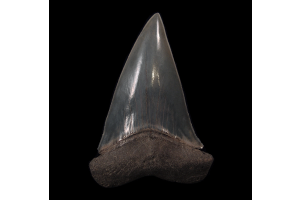
Page 9 - Megalodon
- - January 05, 2026
Starting a fossil collection can feel confusing at first. There are strange names, many price ranges, and lots of choices. The good news is that you can still begin slowly and enjoy the process, even if you do not want to spend a lot of money. One of the most exciting places to start is with Caribbean Carcharocles’ megalodon teeth. These are fossil teeth from the giant prehistoric shark commonly called Megalodon, found in the Caribbean region. They often show attractive colors and shapes that look great in any display. In this guide, you will learn what these teeth are, how to choose a budget, what to look for when buying, and how to care for your new fossils.
What Are Caribbean Carcharocles’ Megalodon Teeth?
Megalodon was a huge shark that lived millions of years ago. It is now extinct, but its teeth remain in rock layers and sea beds around the world. When collectors talk about Caribbean Carcharocles’ megalodon teeth, they mean Megalodon teeth that come from the Caribbean area, often
- - January 05, 2026
The alarming actuality of the megalodon, the aged behemothic of the ocean, continues to absorb both scientists and enthusiasts alike. At Buried Treasure Fossils, we’ve long celebrated the fascination surrounding megalodon teeth — their sheer size and serrated beauty stir the imagination. However, there is a lesser-known yet equally intriguing aspect of this prehistoric predator: Megalodon tooth ledges. These captivating geological formations offer more than just ancient dental remains. They open a gateway into an oceanic world that existed millions of years ago, helping us better understand the vast and vibrant ecosystems that the megalodon once ruled.
Unearthing the Enigma of Megalodon Tooth Ledges
While many are familiar with individual megalodon teeth, few know about the incredible phenomenon of Megalodon tooth ledges. These are not isolated finds or random deposits, but rather distinct geological layers that lie on the ocean floor. Often found along continental shelves, these ledges
- - January 05, 2026
Starting a fossil collection is an adventure filled with discovery, wonder, and genuine hands-on science—and one of the most exciting ways to begin is by exploring the ancient world of giant sharks. Within the first few steps of that journey, many beginners stumble upon the thrill associated with a megalodon tooth ark, a phrase often connected to the excitement of in-game treasure hunting but surprisingly similar to the real-world experience of holding a massive prehistoric tooth for the very first time. That sense of discovery is exactly why we encourage new collectors, STEM-inspired parents, and young enthusiasts to begin their fossil journey with Megalodon teeth. Whether you’re comparing real fossils to digital quests or learning how to spawn a megalodon tooth in Ark as part of your favorite game, the awe behind these relics remains universal.
At Buried Treasure Fossils, we’ve spent decades helping beginners start with confidence. Megalodon teeth are more than impressive specimens—they’re
- - January 05, 2026
The first thing most new fossil collectors learn is that not all ancient shark teeth are created equal. Some come from riverbeds, some from deep offshore dredges, and some—like the extraordinary finds along Maryland’s Calvert Cliffs—come from one of the most scientifically rich marine deposits in North America. Within these layers lies something truly iconic: Otodus megalodon from Calvert Cliffs, a name that excites everyone from casual collectors to seasoned paleontology enthusiasts.
For us at Buried Treasure Fossils, Calvert Cliffs hold a special meaning. We’ve worked with collectors for decades, and the stories that accompany fossils from this region reveal just as much wonder as the specimens themselves. These cliffs continue to inspire us because they offer a rare window into the ancient Miocene world—and some of the most distinctive fossil shark teeth ever discovered.
A Geological Time Capsule: Why Calvert Cliffs Matter
What makes Calvert Cliffs so unique starts with their formation.
- - January 05, 2026
Fossil hunting has always been about more than finding ancient bones or buried shells. It’s a way to connect with Earth’s distant past—one that existed long before humans set foot on the planet. For those who find joy in tracing these ancient timelines, few discoveries evoke the same thrill as a fossilized megalodon tooth (Otodus).
Tucked into the dry hillsides near Bakersfield, California, sits a fossil site that has amazed collectors and paleontologists for decades. Revered for the volume and condition of its marine fossils, Otodus megalodon – Sharktooth Hill has earned its place in the fossil world.
This quiet stretch of land holds more than dust and stone—it has stories. Here’s why Sharktooth Hill continues to fascinate fossil lovers across the world and why a megalodon tooth from this site is more than a collectible—it’s a genuine piece of natural history.
A Fossil Bed Frozen in Time
Roughly 15 million years ago, the land now called Sharktooth Hill was underwater, covered by a warm,
- - January 05, 2026
Color in fossilized teeth serves as more than a visual feature. For collectors and fossil enthusiasts, it provides clear clues about a fossil’s condition and its origin. This becomes essential when identifying Otodus megalodon in Bone Valley specimens. The fossils found in this region display distinct traits, and color stands out among them. These tones help confirm authenticity, set expectations for value, and allow collectors to identify high-quality fossils from this historically significant location.
What Does Fossil Color Reveal About Otodus megalodon in Bone Valley?
Bone Valley preserves marine fossils with remarkable clarity. This region developed during the Miocene and Pliocene periods and contains phosphate-rich sediments. As prehistoric marine life settled into this soil, their remains absorbed minerals, altering their structure and color. Over millions of years, this process led to fossilized teeth that now display light beige, gray, pale blue, and tan hues. These shades reflect
- - January 05, 2026
Buying a fossil online can feel risky, especially when it is rare and expensive. Carcharocles’ megalodon teeth from New Caledonia are exactly that. They come from a small deep-sea deposit between Fiji and Australia, about 1,000 feet below the surface, and dredging there has stopped. Many listings of Carcharocles’ megalodon from New Caledonia are just to draw attention to this rare source.
Why New Caledonia Megalodon Teeth Are Different
Most Megalodon teeth on the market come from river banks or coastal sites. In contrast, Carcharocles megalodon from New Caledonia comes from a tiny deep-water area on the ocean floor. The deposit is only about five square miles across and sits roughly 1,000 feet down, and all legal dredging there has ended. Because of this, these teeth are harder to find, often more worn from deep-sea currents, and seen as “exotic location” fossils by collectors.
Check Shape and Size
Start with the basic profile. A genuine Megalodon tooth should have:
● A broad, triangular
- - January 05, 2026
Millions of years ago, an enormous predator ruled the oceans. With jaws wide enough to swallow a small car and teeth the size of your hand, the megalodon continues to captivate fossil hunters and collectors alike. Today, those razor-edged relics still wash up on shores, auction blocks, and museum displays—stirring wonder and curiosity. But how do you know if what you're holding is truly the real thing?
If you're eyeing a large, triangular tooth and wondering whether it once belonged to a prehistoric giant, you're not alone. Among fossil enthusiasts, nothing compares to the thrill of discovering a genuine megalodon tooth fossil—but unfortunately, replicas and fakes are far too common in the market.
Let’s dive into the subtle signs and textures that separate authentic teeth from the imitations.
Feel the Weight and Texture in Your Hands
Before anything else, pick up the tooth and notice how it feels. Authentic fossilized teeth have a weightiness that’s hard to replicate. Over thousands of
- - January 05, 2026
The ancient oceans were once ruled by one of the most fearsome predators to ever exist – the Megalodon shark. With a name that literally translates to “large tooth,” the Megalodon lived millions of years ago and left behind fascinating remnants of its existence. Today, collectors, educators, and fossil enthusiasts are captivated by its massive, fossilized teeth – prized relics of a long-extinct marine giant.
At Buried Treasure Fossils, we are proud to offer authentic Megalodon teeth that serve as windows into Earth’s prehistoric past. These awe-inspiring fossils are not just rare collectibles, they are tangible pieces of history that allow us to better appreciate the scale and wonder of the natural world.
The Legend of the Megalodon: An Ocean Giant
The Megalodon shark is believed to have been the largest prehistoric marine predator to ever swim Earth’s oceans. Estimated to have reached lengths of up to 60 feet and weighed between 50 to 75 tons, this massive creature dwarfed modern sharks.
- - January 05, 2026
The deep oceans have always held a quiet fascination. Their ancient secrets lie beneath sediment, slowly uncovered by explorers and collectors who understand that history is sometimes found not in books—but in fossils. Among these relics, one item remains exceptionally captivating to marine fossil enthusiasts and shark tooth hunters alike. It's not your typical find. It’s something far more compelling. And hidden in its sharp edges is a story that began millions of years ago.
Found in rare locations and often after hours of meticulous searching, an alpha megalodon tooth holds more than sheer size. It holds dominance. This isn’t a casual collectible—it’s a glimpse into prehistoric hierarchy, a token from the apex predator that ruled the seas.
Let’s explore what sets these teeth apart, how to spot one, and why their discovery continues to ignite the imagination.
What Is an Alpha Megalodon Tooth, Really?
Most shark teeth, even those from the megalodon, are prized for their age and sheer