

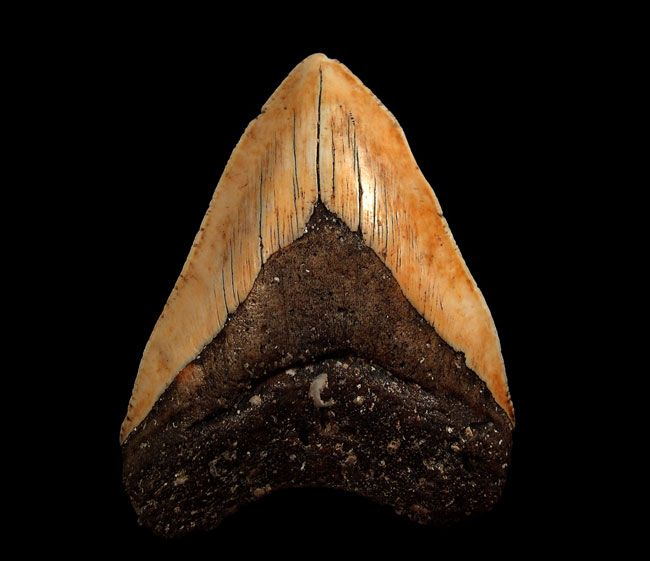
Buying a fossil online can feel risky, especially when it is rare and expensive. Carcharocles’ megalodon teeth from New Caledonia are exactly that. They come from a small deep-sea deposit between Fiji and Australia, about 1,000 feet below the surface, and dredging there has stopped. Many listings of Carcharocles’ megalodon from New Caledonia are just to draw attention to this rare source.
Why New Caledonia Megalodon Teeth Are Different
Most Megalodon teeth on the market come from river banks or coastal sites. In contrast, Carcharocles megalodon from New Caledonia comes from a tiny deep-water area on the ocean floor. The deposit is only about five square miles across and sits roughly 1,000 feet down, and all legal dredging there has ended. Because of this, these teeth are harder to find, often more worn from deep-sea currents, and seen as “exotic location” fossils by collectors.
Check Shape and Size
Start with the basic profile. A genuine Megalodon tooth should have:
● A broad, triangular crown
● A thick root
● A solid feel in the hand, like a small rock
Many New Caledonia teeth are mid-sized, often around three to five inches, and may show rounding on the edges from wear. If the tooth looks very thin, oddly narrow, or too perfect compared with known examples, be cautious.
Look at Enamel and Color
Next, study the enamel, the smooth outer layer of the crown. Authentic Carcharocles megalodon teeth from New Caledonia typically show:
● Soft, natural colors such as light tan, beige, cream, or gray
● Gentle color changes between crown and root
● Small pits, lines, and natural wear marks
If the tooth has a very bright, uniform color and a glass-like shine, it may have been dyed, heavily polished, or cast in resin. Some polishing is common in the market, but an honest dealer will say so and show how the surface looks in close-up photos.
Examine Serrations and Tip
Megalodon teeth originally had sharp, saw-like serrations along the edges. On deep-water New Caledonia teeth, these serrations are often faint or worn down. That is normal.
Watch for:
● Serrations that look “machine-cut” or too even
● A sharp, fresh-looking tip on an otherwise worn tooth
● Straight, clear lines where a piece might have been glued back on
These can signal heavy repair or a cast copy. Quality sellers, including Buried Treasure Fossils, normally state “no repair or restoration” when a tooth is fully natural, or they clearly mention any work that has been done.
Read the Product Description
The words on the page are as important as the photos. A good listing for a Carcharocles megalodon tooth from New Caledonia should clearly mention:
● The location – New Caledonia in the South Pacific, between Fiji and Australia
● The deep-water setting at about 1,000 feet, and the small seafloor deposit these teeth come from
● The geologic age (usually Middle Miocene)
● The size, in inches or millimeters
● Clear notes on condition – worn serrations, enamel wear, chips, or a complete root
If the description uses big claims but gives few facts, slow down and ask questions or compare with better documented examples on trusted sites.
Bottom Line
Even with all these checks, the safest path is to buy from a reliable fossil dealer. Established sellers have experience with Megalodon teeth from many locations. Buried Treasure Fossils, for example, has a long record of offering Carcharocles’ megalodon from New Caledonia with detailed notes on color, wear, and any work done on each tooth.






