

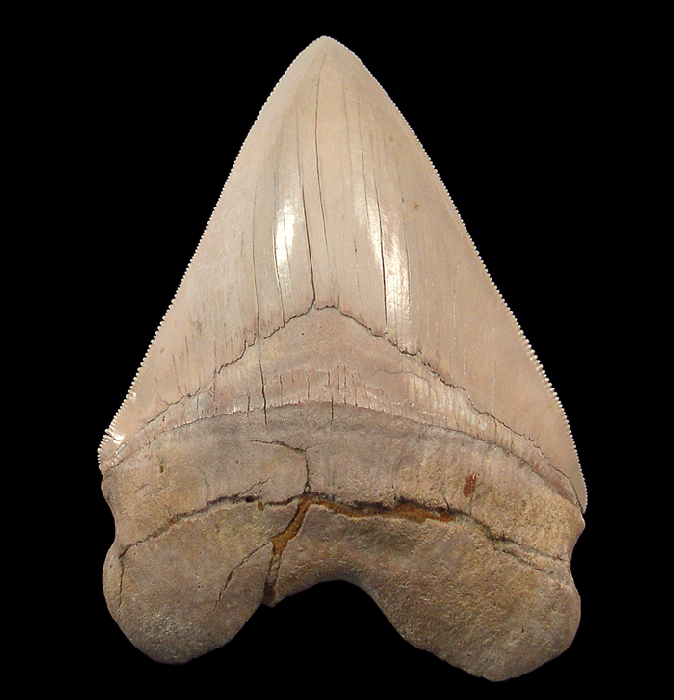
Lately, more and more beginners are starting their fossil journey with a baby megalodon tooth fossil instead of a giant one. These smaller teeth feel easier to buy, easier to understand, and easier to display. At the same time, they still give you a real, exciting link to this huge ancient shark. Let’s look at what a “baby” megalodon tooth really is, why these fossils are trending, and what new collectors should know before they choose one from a specialized shop like Buried Treasure Fossils.
What Is a Baby Megalodon Tooth?
A baby megalodon tooth does not mean a tiny species. It simply comes from a young megalodon shark. Scientists call these sharks “juveniles.” Compared with large adult teeth, a juvenile or baby megalodon tooth:
● Is smaller in size
● Still has the same triangle shape
● Shows sharp little serrations on the edges
● Has a thick root that once held it in the jaw
Many of these young teeth are found in special fossil layers called nursery areas. These were warm, shallow seas where young sharks could grow with less risk from larger predators. When paleontologists find lots of small megalodon teeth together, it can be a sign that the area was once a shark nursery. So, when you hold a baby megalodon tooth, you are holding evidence of where young megalodons lived and grew, not just a random small fossil.
Why New Collectors Like Smaller Teeth
There are several simple reasons why new collectors are reaching for juvenile teeth first.
More Affordable for Beginners
Big, perfect megalodon teeth are rare and can be expensive. Smaller teeth, including baby and juvenile teeth, are usually more affordable. This makes them a friendly first step for someone who wants a real megalodon fossil without a huge price tag.
Easier to Store and Display
A smaller fossil tooth is easy to keep:
● It fits in a small display box
● It can sit on a desk or shelf
● It doesn’t need a large stand or case
For kids, students, or hobbyists with limited space, a baby megalodon tooth fossil is a practical choice that still looks impressive.
A Great Learning Piece
Because the tooth is smaller and easier to handle, beginners can clearly see important details like the enamel, edge serrations, and root shape. These details help people:
● Learn how to tell megalodon teeth from other shark teeth
● Understand how fossils form
● See how scientists use tooth shape to study shark life and growth
Are Baby Megalodon Teeth Rare?
Large megalodon teeth are famous, but baby teeth have their own kind of rarity. According to fossil sellers and writers who specialize in megalodon, small juvenile teeth can be harder to spot and are often missed in the field. When a true baby megalodon tooth is found in a nursery layer, it is useful for both collectors and scientists. For science, it helps build a bigger picture of how and where megalodons raised their young. For collectors, it adds extra story and value, because it comes from a special life stage and a special place.
Final Thoughts
Baby and juvenile megalodon teeth are trending for clear reasons: they are easier to buy, easier to display, and packed with real scientific and historic value. A well-chosen baby megalodon tooth gives a new collector a true piece of one of the largest sharks that ever lived, without the cost or stress of a giant museum-grade tooth.






