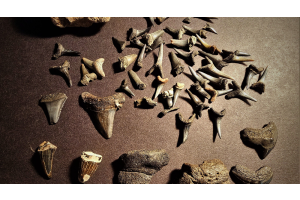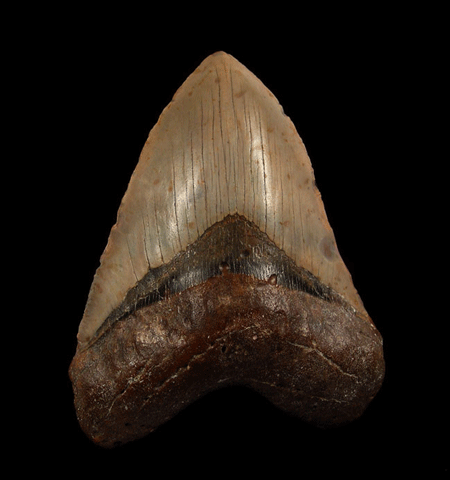
The alarming actuality of the megalodon, the aged behemothic of the ocean, continues to absorb both scientists and enthusiasts alike. At Buried Treasure Fossils, we’ve long celebrated the fascination surrounding megalodon teeth — their sheer size and serrated beauty stir the imagination. However, there is a lesser-known yet equally intriguing aspect of this prehistoric predator: Megalodon tooth ledges. These captivating geological formations offer more than just ancient dental remains. They open a gateway into an oceanic world that existed millions of years ago, helping us better understand the vast and vibrant ecosystems that the megalodon once ruled.
Unearthing the Enigma of Megalodon Tooth Ledges
While many are familiar with individual megalodon teeth, few know about the incredible phenomenon of Megalodon tooth ledges. These are not isolated finds or random deposits, but rather distinct geological layers that lie on the ocean floor. Often found along continental shelves, these ledges are layered with sediment and fossilized remains — including a stunning concentration of megalodon teeth embedded within.
These ledges serve as natural archives, capturing moments in prehistoric time when these giants thrived. As fossil enthusiasts and paleontology lovers, we find that these underwater treasure troves provide a deeper, more immersive look into the life of this apex ocean dweller.
The Making of a Megalodon Tooth Ledge
The formation of these ledges is a slow, natural process, unfolding over millions of years. Sedimentary layers build up as ocean currents push debris, bones, teeth, and other organic materials into certain depressions along the sea floor. Over time, minerals in the water help to fossilize these remains, preserving them in stone. What results is a stratified layer — a ledge — often rich with teeth from multiple generations of megalodons.
What makes these ledges so remarkable is their high density of fossilized teeth embedded within sedimentary rock. These formations are not just lucky finds — they are patterned deposits created by long-term environmental conditions, such as migration patterns, current flows, and the presence of rich food sources that likely attracted megalodons to return to these areas frequently.
For collectors and fossil lovers who value context as much as the artifact itself, ledges tell a broader story.
What the Teeth Tell Us
From our perspective at Buried Treasure Fossils, megalodon teeth aren’t just trophies of the past — they’re data points in a forgotten narrative. When we look at a ledge filled with dozens or even hundreds of these fossilized teeth, we can explore a variety of fascinating details. Subtle variations in tooth size, coloration, and wear patterns offer insight into individual sharks, their age, diet, and even how long they occupied certain territories.
These ledges allow us to better understand how these ancient giants lived. Were they migratory? Did they favor certain oceanic corridors? Why are certain areas far richer in fossil concentrations than others? Megalodon tooth ledges help answer these questions with tangible clues, preserved just beneath the ocean floor.
Glimpses into Prehistoric Ocean Life
The allure of megalodon tooth ledges lies not just in the teeth, but in what else they contain. Many ledges are time capsules filled with fossilized remains of fish, whales, rays, and other marine creatures that coexisted with the megalodon. Their presence helps paint a dynamic picture of the ecosystems that sustained such a massive predator.
These layered ecosystems, frozen in time, allow us to reconstruct an image of Miocene and Pliocene oceans — when sea temperatures, biodiversity, and oceanic geography were all different from what we know today. For us, every tooth found in context tells a part of this wider story. It's a vivid illustration of the interplay between predator and environment, between evolution and extinction.
Why We Care: The Value of Context
At Buried Treasure Fossils, we’ve always believed in the power of origin and context. A fossil removed from its source tells one story, but a fossil retrieved from a ledge tells many. It’s the difference between reading a single line and reading a chapter. That’s why megalodon tooth ledges matter. They’re more than just fossil-rich spots. They are points of convergence — geological, biological, and historical.
These ledges offer a chance to connect more deeply with the ancient world. Whether you’re a seasoned collector or a curious newcomer, understanding where a fossil came from enhances its meaning. You’re not just holding a piece of ancient enamel — you’re touching a relic from a long-lost ocean that thrived with color, life, and unimaginable creatures.
A Window into a Forgotten World
What makes Megalodon tooth ledges so awe-inspiring is not just their scientific or collectible value — it’s the mystery they continue to hold. Even after decades of exploration and thousands of fossil finds, each ledge presents new questions. What stories are still buried beneath the sediment? What species have yet to be uncovered? And how do these traces of the past continue to shape our understanding of Earth’s powerful natural history?
We at Buried Treasure Fossils are endlessly fascinated by these questions. Every fossil from a tooth ledge is more than just a specimen — it’s a storyteller. It's a fragment from a vanished kingdom beneath the sea, inviting us to imagine a time when the megalodon ruled, and the oceans were alive with awe and peril.
Dive Into the Past With Us
Megalodon tooth ledges are rare and wondrous — windows into a world far removed from our own. At Buried Treasure Fossils, we invite you to explore this extraordinary piece of prehistory with us. Whether you’re seeking to expand your collection or simply want to learn more about these ancient giants and the world they lived in, we’re here to help bring that history to the surface.
Discover the power of prehistoric oceans — explore with Buried Treasure Fossils
Disclaimer: This blog is intended for informational purposes only. It does not encourage or endorse any unethical or illegal practices related to fossil collection. Please always adhere to local laws and regulations and practice environmental responsibility.