

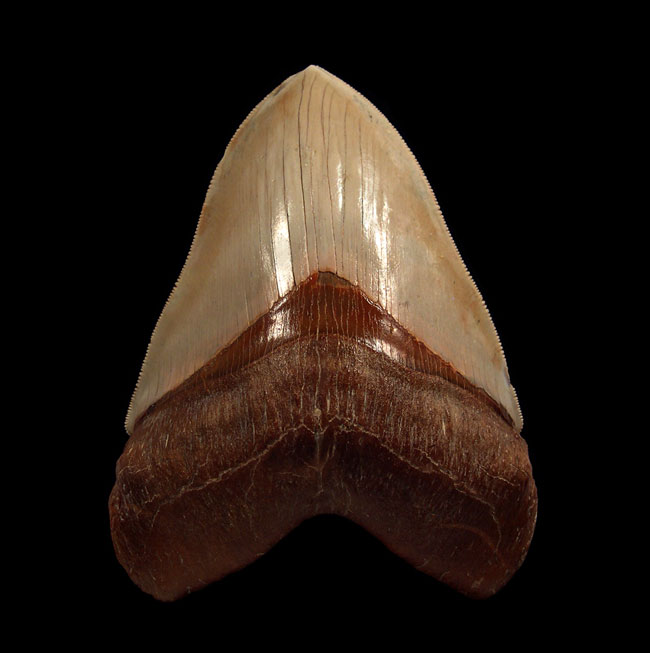
The discovery of a colossal Megalodon tooth in Chile has captivated fossil enthusiasts, scientists, and collectors worldwide. At Buried Treasure Fossils, we are thrilled to explore the deeper meaning of this find, which has been heralded as one of the most significant paleontological moments in recent history. The unearthing of what could be the biggest Megalodon tooth ever found is not just a spectacular fossil find—it’s a glimpse into the incredible history of marine life and a reaffirmation of Chile’s rich geological heritage.
Let’s delve into the story behind this remarkable discovery, the significance it holds for understanding these ancient giants, and why it resonates so strongly with our mission to connect people with Earth’s prehistoric treasures.
Unearthing the Past: The Megalodon Tooth Discovery in Chile
The coastal regions of Chile, known for their dramatic cliffs and rugged beauty, have yielded a treasure trove of fossils over the years. But the recent unearthing of an enormous Megalodon tooth stands out as a landmark event. This discovery was the result of dedicated fieldwork by a team of geologists and paleontology experts working closely with local specialists. The region's geological history made it a promising site, and this time, it delivered something truly exceptional.
Measuring a staggering length and breadth, the tooth is among the biggest Megalodon teeth ever documented. Its condition and sheer size offer compelling evidence about the scale of the Megalodon itself—a shark that once dominated the oceans with an estimated length of up to 60 feet.
For those of us at Buried Treasure Fossils, this discovery is more than just exciting news. It reinforces the importance of fossil preservation and exploration, reminding us of the value of every specimen in unlocking the secrets of Earth’s distant past.
Megalodon: King of the Ancient Seas
The Megalodon, meaning "big tooth," ruled the world’s oceans during the Miocene and Pliocene epochs. With jaws strong enough to crush bones and teeth that could reach over 7 inches in length, this ancient shark was a true giant of the deep. Its enormous size placed it at the top of the food chain, and it played a vital role in marine ecosystems millions of years ago.
The discovery of the Chilean Megalodon tooth not only highlights the incredible scale of these creatures but also helps paleontologists gain insight into how they lived, thrived, and eventually disappeared. Every fossilized tooth offers a story—about growth, diet, environment, and evolution. When we hold one in our hands, we are quite literally holding a piece of history.
Chile: A Paleontological Hotspot
Chile’s geological diversity, shaped by ancient tectonic activity and volcanic movements, makes it a fertile ground for fossil discoveries. The Andes mountains, vast deserts, and coastal cliffs together create an environment where the past is often unearthed in the form of preserved bones, teeth, and imprints.
The emergence of the biggest Megalodon tooth from Chilean soil further cements the country’s reputation as a paleontological goldmine. It provides yet another layer of depth to Chile’s fossil record, allowing us to piece together the marine biodiversity that once flourished along its coasts.
At Buried Treasure Fossils, we’re proud to highlight finds like this because they deepen our collective appreciation for Earth’s incredible past and the countries that help preserve it. We believe such discoveries deserve to be celebrated and studied, serving as bridges between science and curiosity, learning and wonder.
The Scientific Importance of the Megalodon Tooth
The Chile Megalodon tooth is more than a visual marvel—it’s a significant artifact that helps researchers interpret the life and times of the species it belonged to. Teeth are often the most well-preserved parts of shark fossils, as their cartilaginous skeletons rarely fossilize. This makes the condition, size, and context of a tooth even more critical.
Such a large, well-preserved specimen allows scientists to infer age, possible diet, and even climate conditions during the time the Megalodon roamed the seas. It helps establish a better timeline of their existence and contributes to understanding the broader marine environments of prehistoric Earth.
Connecting with Prehistoric Giants
One of the most awe-inspiring things about the Megalodon is how it continues to capture our imagination. At Buried Treasure Fossils, we are committed to fostering that fascination by providing fossil lovers access to authentic and responsibly sourced pieces of prehistory.
Each fossil is a chapter of Earth’s history, and each new find adds depth and clarity to the story. When someone acquires a Megalodon tooth, whether for study or display, they are engaging with the legacy of a creature that once ruled the seas and left behind traces that still endure.
The Chile find, now hailed as the biggest Megalodon tooth ever found, exemplifies the magic of fossil hunting—without the thrill of the chase. It shows that even after millions of years, Earth still has secrets waiting to be uncovered.
Why This Discovery Matters to All of Us
Even for those outside of the scientific community, the discovery holds tremendous value. It reminds us of the vastness of time, the power of nature, and the mysteries that lie just beneath our feet. It connects us to a world long gone yet still influencing ours in subtle, fascinating ways.
At Buried Treasure Fossils, we feel honored to play a part in that connection. Each fossil we showcase is a tribute to the natural forces and creatures that shaped our planet. The Chile Megalodon tooth is a rare gem in that story—one that ignites curiosity and respect for the past in equal measure.
Celebrate the Wonder of Prehistoric Life
The Chile Megalodon tooth discovery is more than just a milestone—it’s a celebration of Earth’s dynamic history and the creatures that once roamed its oceans. At Buried Treasure Fossils, we invite you to explore the mysteries of the deep and uncover stories locked in stone for millions of years.
Disclaimer: This blog is intended for informational purposes only. It does not encourage or endorse any unethical or illegal practices related to fossil collection. Please always adhere to local laws and regulations and practice environmental responsibility.






