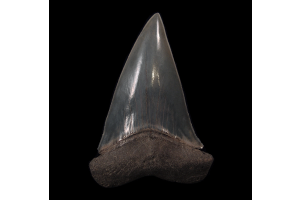
Page 34 - Megalodon
- - December 04, 2025
Long before the beaches of North Carolina became a favorite spot for family vacations, the waters that now surround Ocean Isle were home to some of the most powerful predators the Earth has ever known. These enormous sharks, known as megalodons, once ruled the seas with jaws strong enough to crush whales. Today, their legacy lives on through the fossilized remains of their teeth—some of which have made their way to the surface, sparking fascination for anyone lucky enough to stumble upon them. Among the most thrilling discoveries for fossil hunters is the megalodon tooth in Ocean Isle, a relic that connects our modern world to an ancient oceanic giant.
The Megalodon: Ocean’s Prehistoric Titan
Imagine a shark longer than a school bus with teeth as big as your hand—that was the megalodon. Scientists estimate it lived roughly 23 to 3.6 million years ago during the Miocene and Pliocene epochs. Its name, Carcharocles megalodon, literally means “giant tooth,” and for good reason. These massive
- - December 04, 2025
If you collect prehistoric shark teeth, the dream piece is obvious: the largest megalodon tooth you can find. It looks monumental. It anchors any display. And yes, it usually carries a premium. But is a giant tooth worth it for you? Here’s a clear, buyer-first guide grounded in what Buried Treasure Fossils actually offers collectors and dealers.
What Largest Megalodon Really Means
Collectors use crown height (measured along the slant) to compare teeth. Once a tooth crosses roughly the 6-inch threshold, most consider it “giant” or “trophy-grade.” Larger specimens exist, but each extra fraction of an inch becomes exponentially rarer and pricier. On the site, you’ll see that quality, size, and condition drive desirability; the biggest, best-preserved pieces are the rarest and typically command the most money.
Why the Largest Megalodon Tooth Commands a Premium
A tooth isn’t valuable just because it’s big. It’s the full package:
● Size: Bigger almost always costs more. True giants are
- - December 04, 2025
The allure of owning a megalodon tooth is undeniable. These massive fossilized remains, once belonging to the largest predatory shark in history, carry immense historical, scientific, and collector value. As interest grows, so does the number of replicas and misidentified specimens on the market. We’ve handled countless authentic fossils, including Venice Beach megalodon teeth, and know exactly what separates the real from the fake. Whether you’re a seasoned collector or buying your first fossil, this guide will walk you through everything you need to evaluate a tooth's authenticity with confidence.
Understanding the Basics: What Makes a Tooth Genuine?
Authentic megalodon teeth are fossilized remains, often millions of years old, typically discovered in marine sediments. These teeth vary in size, coloration, and condition, depending on their location of discovery and the preservation conditions.
Megalodon teeth can range from under 3 inches to over 7 inches in length. The most desirable
- - December 04, 2025
The awe-inspiring Megalodon tooth is more than just a fossil. It is a tangible connection to an ancient ocean predator that once dominated the seas with unimaginable size and power. Although the Megalodon has been extinct for millions of years, its fossilized teeth continue to be discovered across the globe, allowing us to marvel at the grandeur of prehistoric marine life. At Buried Treasure Fossils, we take immense pride in offering authentic Megalodon teeth to collectors, educators, and enthusiasts who appreciate these rare remnants from Earth’s distant past.
Megalodon teeth are remarkable not only for their size but also for their durability. Due to the unique way sharks replace their teeth continuously over their lifetimes, an individual Megalodon may have lost tens of thousands of teeth throughout its existence. This natural cycle of tooth replacement has resulted in an abundant fossil record, with countless teeth preserved in the ocean floor and coastal sediments over time.
Here
- - December 04, 2025
At our fossil collection, we take pride in offering specimens that capture the timeless beauty of Earth’s ancient past. Among them, the Otodus megalodon from Indonesia holds a special place. These remarkable fossils have fascinated us with their exceptional preservation, color, and structure.
Each specimen allows us to glimpse into a prehistoric world where colossal predators once ruled the oceans. Their natural artistry and geological perfection make them among the most captivating fossils we offer.
Geological Origin and Preservation
The story of Indonesian Otodus megalodon teeth begins deep within the limestone formations of West Java. These fossils are often recovered from the Bentang Formation, a geological layer that dates to the Middle Miocene epoch, around 10 to 15 million years ago. Within this limestone, the teeth have remained protected for millions of years, allowing them to retain their detailed structure and natural sheen.
Because these fossils were buried under stable
- - December 04, 2025
Many fossil hunters arrive in Florida with one goal in mind. They want to find a real megalodon tooth buried beneath the soil or riverbed. They bring their gear, they follow advice, and they work for hours, sometimes days. But often, they leave with empty bags and more profound questions. The issue rarely lies in their effort. The real challenge begins with knowing where to look and how to read the land. If you want to know where to find megalodon teeth in Florida, you must first understand why your current approach might not work.
How Ancient Florida Preserved the Megalodon’s Legacy?
Millions of years ago, Florida sat beneath a shallow sea. Megalodon, the largest shark that ever lived, swam these waters and left behind rows of massive teeth. Over time, these teeth settled into ancient seabeds that slowly turned into fossil layers. Today, erosion and water flow expose these layers in certain parts of the state. But not every place reveals its history equally. Some spots still hold treasure.
- - December 04, 2025
There’s something magical about standing at the edge of a riverbank, sifting through sand and shells, waiting for that glimmer of ancient history to emerge. Within the first few inches of sediment may lie one of the ocean’s most awe-inspiring relics—a fossilized tooth from the mighty Megalodon. For those who dream of uncovering a piece of prehistory, megalodon tooth fossil hunting is far more than a hobby—it’s a thrilling bridge between science and adventure.
At Buried Treasure Fossils, we know firsthand the excitement that comes with unearthing fossils that have survived millions of years beneath the surface. From novice collectors to seasoned paleontologists, everyone feels the same heart-racing wonder when they discover a tooth from one of Earth’s greatest predators.
The Legacy of the Megalodon
Imagine a truly magnificent apex predator, reaching an astounding 60 feet from snout to tail, with a jaw strength that surpasses a jaw-dropping 40,000 pounds—strong enough to effortlessly crush
- - December 04, 2025
Holding a fossilized Megalodon tooth in your hand tells a story that stretches back millions of years. Collectors around the world continue to seek these prehistoric remnants, and among the most talked about sources today are fossils sourced from Indonesia. Interest in Indonesian Megalodon teeth is growing steadily, not just for their distinctive appearance but also for their increasing presence in the global fossil market. As more collectors show interest, the question naturally arises. Can buyers trust local Indonesian dealers to offer authentic Megalodon teeth?
Why Indonesia Attracts Attention in the Fossil Market?
Collectors pursue fossils that offer both visual impact and authentic backstories. In Indonesia, local diggers uncover Megalodon teeth in riverbanks and sediment-rich areas. These regions often preserve the teeth well, producing specimens with strong enamel and rare color variations. Over time, these locations have become key sources for large and intact fossil teeth. Collectors
- - December 04, 2025
Long before theme parks and beach vacations, Florida’s warm, shallow seas were home to some of the most fascinating creatures ever to exist—including the mighty Megalodon, the largest shark that ever lived. Today, the Sunshine State remains one of the best places to uncover its ancient secrets. If you’ve ever wondered where to find megalodon teeth in Florida, you’re in luck—Florida’s sandy coasts and riverbeds are full of prehistoric treasures waiting to be discovered.
The Ancient Ocean Beneath Florida’s Feet
Millions of years ago, Florida was completely underwater. The warm coastal seas were teeming with life—giant sharks, whales, sea turtles, and coral reefs filled the ancient ocean. Over time, as sea levels changed and sediments settled, these creatures became buried beneath layers of sand, mud, and limestone. Their bones and teeth turned into fossils, perfectly preserved snapshots of Earth’s distant past.
Because of this unique geological history, Florida’s soil and river systems are
- - December 04, 2025
If you’re searching where to find megalodon teeth in Texas, here’s the short answer: Texas is a fantastic state for Cretaceous shark teeth, but it is not a hotspot for Megalodon. That isn’t bad news, it’s an opportunity to focus your hunt legally and safely, and to build a collection with authentic Megalodon teeth sourced from proven localities worldwide.
What Buried Treasure Fossils Sells
Buried Treasure Fossils specializes in authentic fossil shark teeth (including Megalodon), plus dinosaur fossils and more, serving both collectors and buyers who need quantity (e.g., classrooms, gift shops). The store maintains a dedicated Megalodon catalog with pieces from classic U.S. and international sites and also carries bulk shark teeth for economical purchases.
Why this matters: if your end goal is to own a Megalodon tooth, you don’t have to find it in the field. You can select a verified specimen from Florida, Georgia, the Carolinas, California (Sharktooth Hill), Chile, Peru, and more—precisely