Page 32 - Megalodon
- - December 07, 2025
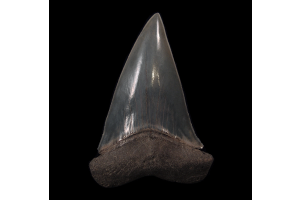
Millions of years ago, the oceans were ruled by a creature so immense and fearsome that its very name sparks awe—Megalodon. This extinct apex predator measured over 50 feet in length, and its teeth, some exceeding 7 inches, were weapons of evolutionary brilliance. Today, these fossilized remnants of marine dominance are more than rare artifacts—they’re treasures of natural history.
If you're someone who finds fascination in Earth's ancient past, the idea of owning a real Megalodon tooth has likely crossed your mind. Yes, you can indeed buy megalodon tooth specimens, and they're often more accessible than one might assume.
Before you dive into the details, let’s explore what makes these fossils so special—and what to look for when considering such a unique purchase.
What Makes a Megalodon Tooth So Special?
Unlike bones, shark teeth fossilize easily due to their dense, mineralized composition. A Megalodon, during its lifetime, would shed thousands of teeth. Some of these made their way
- - December 07, 2025
In the coastal regions of North Carolina, certain Megalodon teeth hold an extraordinary distinction. These fossils appear in a vibrant copper-red hue that sets them apart from the typical black or gray shark teeth found in other parts of the world. Each red specimen tells a unique geological story about minerals, sediment, and time.
The coloration seen in these fossils is not artificial but a result of natural processes that unfolded over millions of years. Among the rarest examples, a megalodon tooth from North Carolina captures this striking transformation through its deep red tone and exceptional preservation.
The Unique Discovery of Red Megalodon Teeth
Megalodon teeth are among the most recognized fossils globally, but the copper-red specimens from North Carolina are scarce. They have been discovered in fossil layers such as the Miocene Pungo River Formation and the Pliocene Yorktown Formation. The Meherrin River area, in particular, is noted for producing these remarkable fossils,
- - December 07, 2025
The ocean has always kept its secrets well. From the hush of the deep blue to the fossils hidden in ancient sands, every discovery reveals whispers of what once ruled the seas. Among these relics lies something so small yet so astonishing—a baby megalodon tooth. Though miniature compared to the adult’s formidable size, it carries an ancient story of beginnings, evolution, and oceanic dominance.
It’s fascinating to think that even the tiniest fossil fragment can hold echoes of creatures that once swam the waters millions of years ago. This isn’t merely a collector’s find—it’s a window into the prehistoric world.
Tracing the Origin of a Giant
Imagine holding a piece of history between your fingers, one that predates humans by millions of years. A megalodon, often hailed as the largest shark that ever existed, began its life much like any other creature—in miniature form. Its early teeth, more minor yet intricately detailed, hint at the massive predator it would become.
Every ridge, curve,
- - December 07, 2025
If you have ever wondered why a big megalodon tooth excites collectors, you are not alone. These massive teeth come from one of the largest predators in history. Fossil collectors, marine enthusiasts, and even casual buyers find them fascinating. They are rare, beautiful, and tell a story about an ocean that existed millions of years ago.
Owning a big megalodon tooth gives you a connection to a shark that could grow over 50 feet long. It is not just a fossil; it is a piece of history. The size, shape, and color of each tooth can tell a lot about the shark that owned it. Collectors often want to know how much is a megalodon tooth is before they buy one. Prices can vary greatly depending on size, color, condition, and where the tooth was found.
Even though many fossils are available for sale, finding a big megalodon tooth in excellent condition is rare. When you hold one, you hold a part of ancient life. Its size, sharp edges, and natural shape make it a standout display piece.
- - December 07, 2025
Collecting megalodon teeth is more than a hobby; it’s a window into Earth’s prehistoric oceans. Each fossil tells the story of an apex predator that ruled the seas millions of years ago. As enthusiasts, we understand the thrill of holding a piece of natural history in your hand. Whether you’re searching for your first specimen or expanding your collection, knowing how to assess authenticity, condition, and value is key. That’s why we’ve created this guide to help collectors make confident, informed decisions when exploring a megalodon tooth for sale.
Understanding Megalodon Teeth: Nature’s Ocean Relics
Megalodon teeth are among the most sought-after fossils on the planet. These colossal sharks, which lived approximately 23 to 3.6 million years ago, could reach over 60 feet in length. Their teeth often measure between 3 to 7 inches, though rare specimens can exceed this size.
Because of their massive size, triangular shape, and serrated edges, megalodon teeth are instantly recognizable.
- - December 07, 2025
There’s something truly magical about holding a piece of Earth’s ancient history in your hand — a glimpse into a time when colossal predators ruled the seas. Among these incredible relics, Sharktooth Hill Megalodon tooth fossils stand out as extraordinary tools for teaching children about evolution, adaptation, and the dynamic story of life on Earth. At Buried Treasure Fossils, we’re passionate about how these fossils not only capture young imaginations but also offer hands-on lessons in science, geology, and environmental change.
Discovering the Fascinating World of Sharktooth Hill
Nestled north of Bakersfield, California, Sharktooth Hill is one of the richest Miocene-age fossil sites in the world. Around 12 to 15 million years ago, this region was submerged under a vast, warm ocean teeming with marine life — from ancient whales and sea lions to the most feared predator of all, the Megalodon. Today, the Sharktooth Hill Megalodon tooth remains one of the most remarkable remnants from
- - December 07, 2025
Somewhere along a quiet shoreline, the tide pulls back and reveals a fragment of time—dark, triangular, and gleaming faintly beneath the sand. Your heart skips a beat as you realize it could be something extraordinary: a relic from one of the most formidable predators that ever lived. Long before humans walked the earth, the megalodon dominated the seas. Today, finding a megalodon tooth connects us to that ancient past in a tangible way, letting us hold millions of years of history in our hands.
The thrill of such a discovery isn’t just about the fossil itself; it’s about the moment of recognition—the instant when you realize you’ve unearthed a piece of Earth’s forgotten story.
Why These Ancient Giants Still Fascinate Us
Megalodons, often measuring more than fifty feet long, once ruled the oceans with unmatched strength. Their massive teeth—some over seven inches—were designed for crushing bone and devouring large prey. Although they disappeared around three million years ago, their presence
- - December 07, 2025
The ocean holds many secrets, but few are as captivating as the story of the megalodon. This massive prehistoric shark dominated the seas for millions of years, and its legacy continues to captivate imaginations. Among the most thrilling artifacts of this ancient predator is the megalodon tooth fossil—a relic that bridges the past and present in the palm of your hand.
But in a market filled with replicas, altered finds, and skillful fakes, how can you tell if what you're holding is authentic? The thrill of the hunt quickly fades when you realize your fossil may be something far less special. Fortunately, with a little patience and a trained eye, spotting the difference becomes easier than you think.
Let’s take a deeper look at the details that separate genuine from imitation—and help you walk away with confidence in your fossil finds.
What Does a Real Megalodon Tooth Look Like?
Megalodon teeth are anything but ordinary. Real ones can measure over 7 inches in length and have a triangular
- - December 07, 2025
Collectors and fossil buyers want more than a big tooth. They want to own something real, something that carries the weight of time and truth. Teeth from the Otodus megalodon Copper Red Site stand apart for good reason. These fossils do not just offer impressive size or color. They provide natural evidence of a prehistoric predator. Buyers who understand what separates authentic from altered gain more than a rare specimen. They gain confidence in their investment and pride in their collection. Professionals trust their tools, eyes, and field knowledge to identify the real from the rest.
What Makes the Copper Red Color Stand Out
Color is the first visible clue that draws attention to a fossil tooth. Experts who work with Site 25 fossils pay close attention to color depth and texture. An actual Copper Red Megalodon tooth features a natural red to reddish-brown tone. That comes from iron-rich soil where the Tooth fossilized over time. The tone runs through both the enamel and root, not just
- - December 07, 2025
The Otodus megalodon continues to fascinate collectors, researchers, and fossil enthusiasts for its sheer scale and historical significance. When it comes to collecting megalodon teeth, not all sources offer the same quality or characteristics. Among the various fossil sites known for producing megalodon specimens, Sharktooth Hill in California holds a unique reputation. What makes these teeth different? We’ve worked closely with collectors and studied countless specimens, and we know exactly what makes Otodus megalodon - Sharktooth Hill teeth special. Let's walk through the distinctive features that elevate these fossils in the eyes of serious collectors.
Why Sharktooth Hill Is a Fossil Hotspot
Located in the southern part of California’s Central Valley, Sharktooth Hill is part of the Round Mountain Silt formation. This site dates back approximately 15 to 16 million years, to the middle Miocene epoch. Unlike coastal dig sites that have been heavily scavenged, Sharktooth Hill offers inland