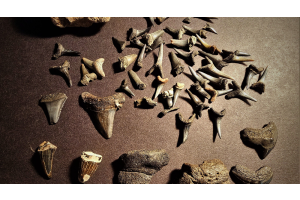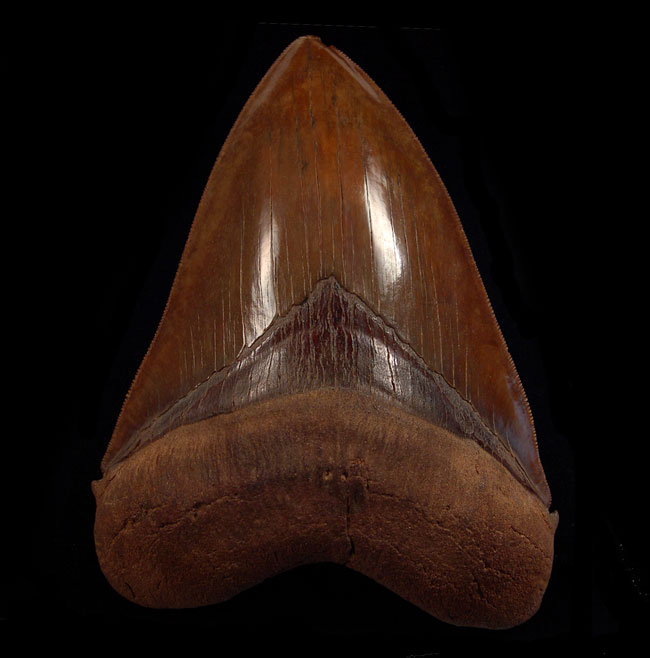
In the coastal regions of North Carolina, certain Megalodon teeth hold an extraordinary distinction. These fossils appear in a vibrant copper-red hue that sets them apart from the typical black or gray shark teeth found in other parts of the world. Each red specimen tells a unique geological story about minerals, sediment, and time.
The coloration seen in these fossils is not artificial but a result of natural processes that unfolded over millions of years. Among the rarest examples, a megalodon tooth from North Carolina captures this striking transformation through its deep red tone and exceptional preservation.
The Unique Discovery of Red Megalodon Teeth
Megalodon teeth are among the most recognized fossils globally, but the copper-red specimens from North Carolina are scarce. They have been discovered in fossil layers such as the Miocene Pungo River Formation and the Pliocene Yorktown Formation. The Meherrin River area, in particular, is noted for producing these remarkable fossils, often referred to as “Red Site” material.
These red teeth are rare and highly valued by collectors due to their limited availability. Each specimen represents a combination of geological conditions that came together to create this remarkable coloration. All teeth listed from these regions are described as being in near museum quality with no restoration or repair, which highlights their authenticity and natural state.
The Role of Minerals in Coloring the Fossils
The striking red color of these teeth comes from a slow process of mineralization. When the Megalodon teeth were buried in sediment, groundwater rich in iron compounds gradually penetrated their structure. Over time, oxidation transformed those minerals into red and copper shades that permanently stained the enamel and dentin.
Iron minerals played a central role in this transformation. As water moved through the surrounding sediments, it carried minerals that bonded with the fossil material. The result was a unique coloration that depended on specific environmental conditions. Factors such as sediment composition, mineral concentration, and groundwater chemistry influenced how the color developed. Only a limited number of teeth fossilized under the right combination of circumstances to produce this vivid hue.
This natural staining process is what distinguishes true copper-red Megalodon teeth from artificially altered fossils. According to the site, all specimens are entirely natural and have not been polished, coated, or modified in any way.
Where the Red Teeth Formed
The red Megalodon teeth of North Carolina are tied closely to the region’s geology. The Pungo River and Yorktown formations, along with the Castle Hayne Formation, are known for yielding fossilized shark teeth of remarkable preservation. These geological layers contain sediments from marine environments that existed during the Miocene and Pliocene epochs.
The Meherrin River, located in northern North Carolina, has proven to be a vibrant site for these red fossils. The river system cuts through layers of fossil-bearing sediments, exposing ancient deposits that contain Megalodon teeth and other marine fossils. The red color results from the interaction between groundwater and iron-rich sediments. As groundwater seeps through, it carries dissolved minerals that gradually penetrate the fossils and alter their appearance.
Each river system plays a role in transporting and exposing these fossils, which explains why certain areas produce red specimens while others do not. The mineral content of local soils and sediments, combined with water flow and oxidation, creates the precise chemical environment needed for this transformation.
Characteristics That Define a Rare Specimen
Collectors and fossil enthusiasts evaluate North Carolina’s copper-red Megalodon teeth based on several essential qualities:
Color Depth and Consistency
Teeth with a deep, even red hue are considered the most remarkable. Variations in shade can indicate differences in mineral exposure or fossilization conditions.
Condition and Preservation
Well-preserved roots, sharp serrations, and minimal wear indicate that the fossil has not been damaged or altered.
Size
Larger teeth are significantly harder to find in red coloration. Specimens measuring over five inches are scarce and highly valued.
Authenticity
Fossils from specific river sites, such as the Meherrin River, carry additional credibility. The assurance that no restoration or polishing has occurred further enhances their value.
Examples listed on the site include specimens ranging from four to six inches in length, with complete roots, sharp serrations, and rich copper-red tones. Each tooth reflects millions of years of preservation in unique mineral conditions. A megalodon tooth from North Carolina showing deep red enamel and intact serrations illustrates this process beautifully, revealing both scientific and aesthetic appeal.
The Challenge of Finding Red Megalodon Teeth
Locating these fossils requires considerable effort. The site notes that only certain rivers in North Carolina produce them, and even within those areas, discoveries are rare. Collectors often explore underwater riverbeds where visibility is low and currents are strong. Despite the effort involved, very few red specimens are recovered each year.
The scarcity of these fossils increases their desirability. When authentic red teeth appear for sale, they often attract immediate attention. This demand comes from both collectors and scientists who study how environmental factors influence fossil coloration. The rarity of the red hue is tied directly to the limited geological circumstances in which these fossils form.
What the Red Color Reveals About Ancient Environments
The copper-red Megalodon teeth are more than visually striking fossils; they are also indicators of the environmental conditions that existed millions of years ago. The presence of iron oxides in the fossil structure points to periods of oxidation within the sediment layers. These minerals suggest that the surrounding water and soil chemistry supported iron transport and deposition.
Because only specific layers within the Pungo River, Yorktown, and Castle Hayne formations yield red teeth, these fossils help geologists identify particular conditions of groundwater flow and mineral content during fossilization. The even saturation of color throughout the enamel indicates that mineralization occurred slowly and thoroughly while the tooth remained buried. This information provides valuable insight into fossil formation processes across geological time.
Why Collectors Value These Fossils
The copper-red Megalodon teeth of North Carolina hold appeal not only for their rarity but also for their scientific and historical significance. Their coloration captures the complex interaction between geology and chemistry. These teeth embody the process of fossilization in one of its most remarkable forms.
Each specimen offers a glimpse into the marine world that existed during the Miocene and Pliocene epochs, when the Megalodon ruled the oceans. The preservation of sharp serrations and natural gloss on the enamel further emphasizes the exceptional conditions under which these fossils formed. The rarity, condition, and authenticity make them some of the most prized fossils in existence.
Collectors and researchers regard these fossils as unique examples of natural artistry shaped by time. Their distinctive copper-red hue reflects the mineral composition of ancient North Carolina sediments and stands as a record of environmental processes that took place millions of years ago.
Conclusion
The red Megalodon teeth of North Carolina represent an extraordinary meeting of biology and geology. Their color tells a detailed story of how minerals, sediment, and groundwater combined over vast stretches of time. Iron-rich solutions, flowing through fossil beds and river systems, slowly transformed once-gray teeth into striking copper-red relics.
Each tooth discovered today offers a tangible connection to ancient marine life and the natural chemistry of the Earth’s past. The process that gave them their color also preserved their form, allowing them to survive as rare treasures of natural history. A megalodon tooth from North Carolina embodies this fusion of beauty and science, revealing how minerals turned remnants of a prehistoric predator into timeless works of nature.
As the saying goes, “The Earth writes its stories not in ink, but in stone.” These copper-red fossils remind every observer that even the slightest trace of color in a relic can carry the weight of millions of years, quietly telling the story of a world long gone.