

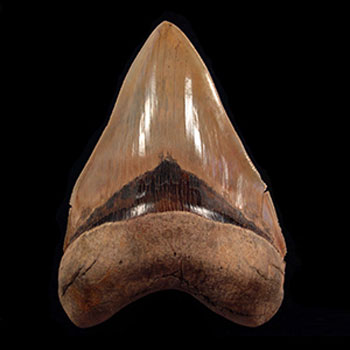
Collecting megalodon teeth is more than a hobby; it’s a window into Earth’s prehistoric oceans. Each fossil tells the story of an apex predator that ruled the seas millions of years ago. As enthusiasts, we understand the thrill of holding a piece of natural history in your hand. Whether you’re searching for your first specimen or expanding your collection, knowing how to assess authenticity, condition, and value is key. That’s why we’ve created this guide to help collectors make confident, informed decisions when exploring a megalodon tooth for sale.
Understanding Megalodon Teeth: Nature’s Ocean Relics
Megalodon teeth are among the most sought-after fossils on the planet. These colossal sharks, which lived approximately 23 to 3.6 million years ago, could reach over 60 feet in length. Their teeth often measure between 3 to 7 inches, though rare specimens can exceed this size.
Because of their massive size, triangular shape, and serrated edges, megalodon teeth are instantly recognizable. However, not all fossils are created equal. Some are fully preserved with sharp serrations and intact enamel, while others may have erosion or mineral staining. These variations play a significant role in determining each fossil’s value and desirability.
The Grading System: How Collectors Evaluate Megalodon Teeth
Like gemstones or coins, megalodon teeth are graded based on specific visual and structural qualities. Collectors typically assess these four major factors:
1. Enamel Preservation
The enamel’s luster and smoothness are crucial indicators of quality. A tooth with well-preserved enamel and minimal pitting commands a higher grade. Dull or heavily eroded enamel, on the other hand, lowers a fossil’s collectible appeal.
2. Serration Detail
The serrations along the blade edges were once the shark’s natural cutting tools. Fossils with fully intact, sharp serrations are rare and valuable. Missing or worn edges reduce grading points, but large teeth with partial serrations can still be desirable for their impressive size.
3. Root Condition
The root’s structure adds stability and balance to the tooth’s shape. A complete, symmetrical root enhances both aesthetic and scientific value. Chips, cracks, or missing root sections usually affect grading, but the fossil can still be an excellent display piece.
4. Color and Mineralization
Color variations result from the minerals present in the seabed where the tooth fossilized. Common shades include gray, brown, tan, and black, though rare hues like blue or orange can increase value. Vibrant coloration and contrast make a specimen more distinctive to collectors.
Authenticity Checks: Spotting Genuine Megalodon Teeth
Because of their high value, authenticating a megalodon tooth is one of the most important steps before purchasing. Here’s how experienced collectors and fossil experts confirm legitimacy:
Examine Surface Texture
Real fossils often show micro-pitting, mineral lines, and subtle texture differences between the enamel and root. Artificial replicas are typically smooth and uniform, lacking these natural inconsistencies.
Check Weight and Density
Authentic megalodon teeth are surprisingly heavy due to mineral replacement during fossilization. A lightweight tooth may be a resin cast or modern reproduction.
Inspect Under Magnification
Under a magnifying glass, genuine fossils reveal natural wear, mineral deposits, and authentic aging patterns. Fakes often show polishing marks or air bubbles from molds.
Source Verification
Reputable fossil dealers provide provenance, which is the documented origin and geological source of each specimen. Trusted sellers often specialize in authentic finds and clearly describe restoration or repair work. When browsing a megalodon tooth for sale, always look for sellers who clearly identify a specimen’s origin, age, and restoration status. Transparency is a hallmark of genuine fossil trading.
Understanding Value: What Determines Price
Not all megalodon teeth command the same price. Values can range from under a hundred dollars to several thousand, depending on size, rarity, and preservation. Here’s how professional collectors assess market worth:
Size and Rarity
Large specimens over 6 inches are exceptionally rare and fetch premium prices. A 7-inch tooth in near-mint condition is the “holy grail” for collectors.
Location of Discovery
Fossils from certain regions, such as North Carolina, South Carolina, and Indonesia, are known for their distinctive coloration and preservation quality, which can enhance their value.
Completeness and Restoration
A fully intact tooth with original enamel and root is significantly more valuable than one with major repairs. Some fossils undergo minor restoration, which can be acceptable if disclosed, but full reconstructions should always be clearly labeled.
Visual Appeal
Beyond scientific and historical worth, aesthetics matter. Symmetry, color contrast, and surface polish can make a tooth more attractive to both collectors and display enthusiasts.
Preservation and Care: Keeping Fossils in Top Condition
Megalodon teeth have survived millions of years beneath the sea, but they still require proper care once unearthed. Here’s how collectors maintain and protect these treasures:
Cleaning Gently
Use only soft brushes or microfiber cloths to remove surface dust. Avoid abrasive tools or harsh chemicals that could damage enamel or remove mineral patina.
Avoid Excess Moisture
While fossils are stable, prolonged humidity or direct water exposure can lead to cracking or mineral leaching. Keep them in a dry environment with a consistent temperature.
Safe Display
When displaying your collection, use cushioned stands or acrylic cases that support the root. Avoid direct sunlight, which can fade coloration over time.
Handling Carefully
Hold fossils by their root rather than the blade to prevent accidental chipping. Always handle large or heavy specimens with both hands.
Proper preservation not only maintains a fossil’s beauty but also protects its long-term value for resale or scientific study.
Building a Collection: What to Look For as You Grow
For new collectors, it’s best to start with medium-sized, affordable specimens that offer good color and intact serrations. As you become familiar with grading and identification, you can expand into rarer or region-specific fossils.
Experienced collectors often focus on theme-based curation, for instance, collecting teeth from different locations, color patterns, or geological layers. Documenting provenance and condition with each purchase adds credibility and helps track your collection’s evolution over time.
Remember, building a collection is a gradual process. Patience, education, and trusted sources will always yield the most rewarding finds.
Why Authentic Dealers Matter
In the fossil trade, credibility makes all the difference. Experienced dealers specialize in sourcing authentic, legally obtained specimens and often provide certificates of authenticity. They also ensure fossils are ethically collected and properly conserved, maintaining both scientific integrity and collector trust. Working with a verified seller means you’re not just buying a fossil, you’re preserving history responsibly.
Conclusion: Bringing Ancient History into Your Hands
Owning a megalodon tooth is an extraordinary way to connect with Earth’s deep past. Each fossil embodies strength, mystery, and the enduring allure of prehistoric life. Whether you’re just beginning your journey or searching for a premium megalodon tooth for sale, take the time to evaluate authenticity, preservation, and provenance. These steps ensure every addition to your collection is both meaningful and enduring.
At Buried Treasure Fossils, we take pride in offering genuine megalodon teeth that are carefully graded, authenticated, and preserved for collectors worldwide. Every fossil we present tells a story that deserves to be shared and treasured for generations to come.
Explore authentic megalodon fossils and start your collection today. Connect with us to find your next rare discovery from ancient seas.






