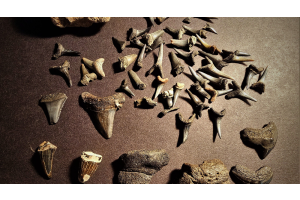
The ocean holds many secrets, but few are as captivating as the story of the megalodon. This massive prehistoric shark dominated the seas for millions of years, and its legacy continues to captivate imaginations. Among the most thrilling artifacts of this ancient predator is the megalodon tooth fossil—a relic that bridges the past and present in the palm of your hand.
But in a market filled with replicas, altered finds, and skillful fakes, how can you tell if what you're holding is authentic? The thrill of the hunt quickly fades when you realize your fossil may be something far less special. Fortunately, with a little patience and a trained eye, spotting the difference becomes easier than you think.
Let’s take a deeper look at the details that separate genuine from imitation—and help you walk away with confidence in your fossil finds.
What Does a Real Megalodon Tooth Look Like?
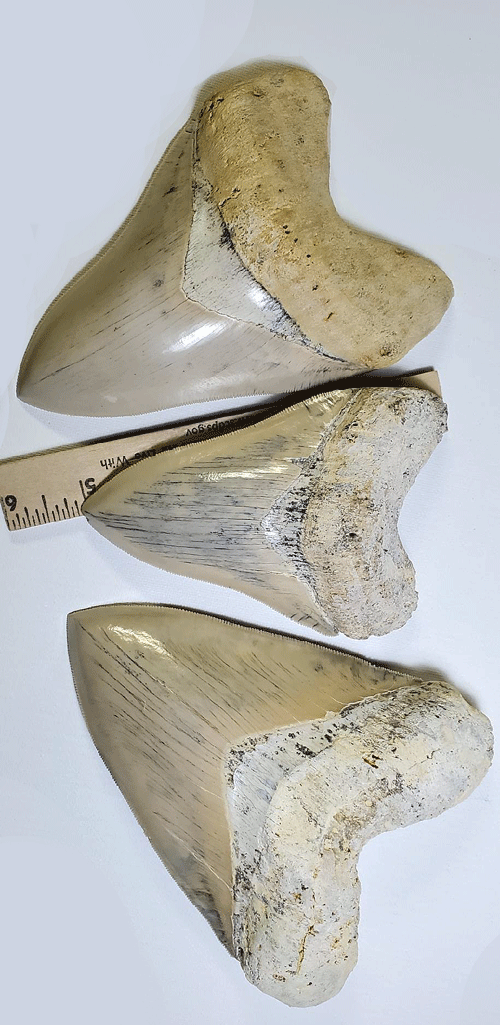
Megalodon teeth are anything but ordinary. Real ones can measure over 7 inches in length and have a triangular shape, with fine serrations along the edges. The enamel is smooth and glassy, often showing natural wear or tiny imperfections. No two are exactly alike, which makes collecting them all the more exciting.
However, while their size is impressive, not every large tooth is real. Some are resin castings made from genuine molds. Others are damaged shark teeth from various species, reshaped and polished to resemble ancient artifacts. That’s why simply going by appearance alone isn’t always enough.
Check for Authentic Texture and Wear
Hold the tooth gently in your hand and observe its texture. Real fossils don’t have a uniform finish. Instead, you'll see slight grooves, cracks, or discoloration caused by mineralization. These details can’t be replicated perfectly by modern methods. Most fake teeth are far too smooth and consistent across the surface, revealing their modern origin quickly to a trained eye.
True fossil teeth may exhibit tiny chips, edge wear, or root erosion, all of which are indicators of time spent buried beneath layers of sediment. A perfectly pristine specimen with zero signs of aging? That might be your first red flag.
Examine the Root Closely
One of the biggest giveaways of a reproduction is the root. A genuine megalodon tooth fossil typically features a dense, grainy root structure. It's a completely different texture than the glossy enamel. The color may also differ from the blade, depending on the minerals in the surrounding soil where the tooth was fossilized.
In contrast, fake roots tend to blend in too well with the blade, appearing unusually smooth and symmetrical. Always look at the root’s shape and texture carefully—it can be one of the clearest indicators of authenticity.
Consider the Color and Where It Came From
Color can offer clues, but it’s not a definitive test. Authentic teeth come in various shades—from black and gray to tan and even blue—depending on the type of sediment in which they fossilized. A brightly colored or oddly shiny tooth should raise some suspicion.
Knowing where the tooth originated also helps. Fossils from certain regions—like the Southeastern U.S.—are more likely to show specific characteristics. If a seller fails to provide the location or claims the tooth originated from an unusual place, proceed with caution.
Trust the Weight in Your Hand
It may sound unscientific, but the way a fossil feels matters. Real megalodon teeth are heavier than they look because they’re made of fossilized material infused with minerals over millions of years. Fakes tend to be lighter, especially if they are made of resin or a lightweight rock.
When you hold a genuine tooth, there's a comforting heft to it—one that almost tells you it’s endured more than time alone.
Use a Magnifying Glass for a Better Look
Get up close. A magnifying glass can reveal serrations that are often worn but still visible on genuine teeth. These small saw-like ridges were designed to tear through prey, and their remnants persist on many fossils today.
Replicas often overlook this detail or render the serrations too clean and sharp, lacking the subtle wear that comes with genuine use. Examining the surface under magnification may also reveal casting bubbles or unnatural grooves in a fake.
Don’t Fall for Perfect Symmetry
Authentic fossils are unique, and nature rarely creates symmetrical perfection. If both sides of the tooth look exactly the same, or the blade has a mirror-like finish, you might be looking at a molded copy.
Real teeth carry personality—from jagged corners to root chips and even traces of their last meals. Embrace these irregularities; they are what make each fossil special.
Ask for Documentation or Expert Evaluation
Serious collectors and sellers often provide documentation of where and how a fossil was found. While not always necessary, this paperwork adds a layer of confidence to your purchase.
If you're unsure, bring the tooth to a fossil expert or museum. They can assess the age, origin, and authenticity with trained precision. Many will gladly help confirm if your piece belongs in a collection—or a souvenir bin.
Compare With Trusted Specimens
Sometimes, the best way to spot a fake is to compare it to a known genuine specimen. Whether in a museum or a collector’s showcase, seeing the real thing in person helps train your eye. You'll begin to notice the subtle differences: weight, color, edge wear, and enamel texture.
Take notes, snap photos (if allowed), and build your knowledge one fossil at a time. Like any skill, identifying real fossils takes practice.
Don’t Rush the Process
There’s an undeniable thrill in finding or buying what you believe is a piece of history. But haste can lead to disappointment. Take your time. Ask questions. Examine every detail. Whether you're building a collection or searching for a unique display piece, patience always pays off.
Even the most experienced collectors still pause before a purchase. That hesitation, that double-check—that’s part of what makes collecting so rewarding.
Final Thoughts
Holding a megalodon tooth fossil is like shaking hands with history. However, with so many replicas circulating, ensuring that your piece is the genuine article is crucial to preserving its magic. Look for texture, weight, and irregularity. Ask questions. And when in doubt, always seek guidance from someone experienced.
If you're fascinated by these ancient relics and want a genuine piece of prehistory in your hands, now’s the time to start exploring—with care and curiosity.
Ready to find a real fossil worth keeping? Explore verified collections and start your journey today.