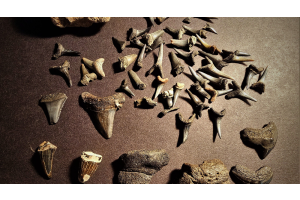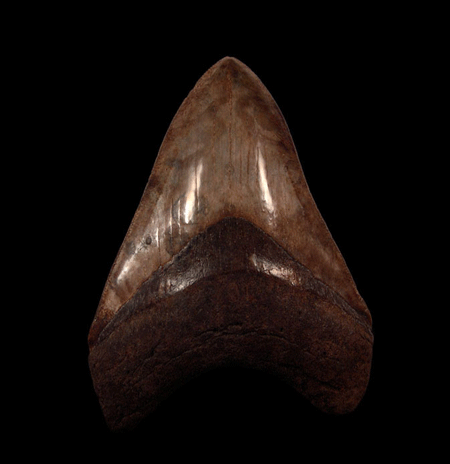
There’s a reason megalodon teeth turn heads. More than six inches of ancient enamel, sharp serrations, and fossilized color make them look like something pulled straight from the jaws of a sea monster—and in a way, they are. These are pieces of history, once part of the mouth of an apex predator that swam Earth’s oceans millions of years ago. No wonder they’ve become a collector’s favorite.
But as demand rises, so do the counterfeits. With technology enabling startlingly accurate replicas, the market is flooded with lookalikes. The question that inevitably follows is: how to tell if a megalodon tooth is real? It’s a common concern among fossil lovers, and one that deserves close attention.
Let’s move past the awe and into the evidence.
Why Megalodon Teeth Are So Widely Replicated
Megalodon teeth are among the most recognized fossils in the world. They represent not only a prehistoric creature but a piece of Earth's untold story. Genuine specimens often fetch hundreds or even thousands of dollars, depending on their size and condition. As a result, many counterfeit versions are created for mass sale, some of which are advertised as replicas. In contrast, others are deceptively passed off as genuine.
These fakes range from toy-like plastic molds to impressively convincing copies made of resin or stone composites. To the untrained eye, they may look authentic. But the truth reveals itself in the details.
Heaviness Is a Helpful First Hint
One of the quickest ways to gauge authenticity is by assessing the weight. Fossilized teeth are mineral-dense and surprisingly heavy. If you hold a megalodon tooth in your hand and it feels unusually light, it may be a warning sign. Replicas often use materials like resin, which can’t match the density of a real fossil.
When possible, compare with another fossil or verified megalodon tooth. The real one will usually have a gravity to it that’s hard to ignore.
Surface Texture Tells a Story
An authentic megalodon tooth won’t be smooth and polished from every angle. Instead, expect a slightly rough, sometimes chalky texture in some areas—especially along the root. Weathering, mineral deposits, and microfractures are all part of the fossil’s unique identity.
Replicas often appear uniform and slick, lacking the subtle imperfections that result from millions of years of underground development. And while some fakes attempt to simulate texture, the depth and irregularity are difficult to reproduce perfectly.
Look at the Color—But Don’t Be Fooled Too Easily
Megalodon teeth aren’t all black. Their coloration varies based on the sediment and minerals in which they were buried. You might see browns, grays, creams, or even bluish hues. An even, painted-looking surface with no variation might indicate a replica. Genuine teeth often display natural gradations or uneven color breaks between the root and enamel.
Still, color alone isn’t definitive. Some genuine fossils have surprisingly consistent coloring, especially if they come from specific geographic regions. But it should never appear artificial or glossy like a painted souvenir.
Serrations: Nature’s Blade vs. Manmade Mold
The megalodon wasn’t nicknamed “megatooth” without reason. Each tooth in its jawline had serrated edges designed for slicing through thick flesh and bone. These serrations can remain visible even after millions of years have passed.
Use a magnifying glass to study the tooth’s edge. Authentic teeth often show tiny but irregular serrations. They're rarely symmetrical and usually display minor chips or natural wear. Fakes, on the other hand, may have no serrations at all or ones that appear too smooth, too perfect, or evenly spaced like something from a mold.
Real Roots Feel Different
In an authentic megalodon tooth, there’s a clear difference in both look and feel between the enamel and the root. The enamel is smooth and often darker, while the root tends to be rougher, more porous, and lighter in color.
When a tooth is fake, this transition might be blurred—or worse, completely missing. If it appears to be one piece from top to bottom with no change in texture, it may be time to question it.
Tiny Flaws Add Credibility
A real fossil has lived a long, rough life. It may have been chewed on by other marine life, shifted through ocean sediment, or compressed by geological activity. That means it’s okay—even expected—for an authentic megalodon tooth to have a chip, a crack, or signs of erosion.
Ironically, these imperfections are what make it more believable. Fakes are often too “nice,” symmetrical, or free from any blemish. It may look more suitable for a museum display than an ocean floor relic—and that’s worth investigating.
Tap, Listen, and Trust Your Senses
Here’s a fun trick: the tap test. Lightly tap the tooth against another fossil or your teeth. A real fossil will create a crisp, stone-like sound due to its density. Fakes often sound dull, plasticky, or too soft. It’s a small detail, but another data point you can use to guide your judgment.
You can also try the temperature test. Fossils often feel cool to the touch and warm slowly in your hand. Artificial materials, such as resin or plastic, warm up quickly.
Ask for Provenance—But Be Smart About It
If you're buying a tooth, always ask the seller for its origin. Where was it found? Is it from a known fossil site? Has it been restored? These aren’t intrusive questions—they’re essential. A reputable seller will have no problem sharing this information and may even provide a certificate of authenticity.
However, be cautious. Even documentation can be forged. Use it as a reference, but trust your inspection more than the paperwork.
A Real Tooth Tells a Quiet, Unmistakable Tale
Learning how to tell if a megalodon tooth is real isn’t about mastering scientific tests—it’s about paying attention. It’s in the grain of the enamel, the weight in your hand, the story etched into the edges. You don’t need to be an expert paleontologist to spot the signs. All it takes is patience, curiosity, and the willingness to look closely.
When you start seeing these fossils not as museum pieces, but as timeworn artifacts that hold stories of ancient seas, it becomes easier to spot the fakes. You realize authenticity isn’t about perfection—it’s about depth, weight, and texture.
Let the Adventure Begin with the Right Fossil
Whether you're hunting for your first fossil or adding to a growing collection, knowing what to look for helps protect your investment and your excitement. There’s a quiet satisfaction in owning something real, something ancient, something that survived the waves of time.
As you explore the fascinating world of prehistoric treasures, remember that part of the thrill is in the discovery. Trust your instincts. Study the details. Hold it, feel it, and listen to what it tells you.
Your next fossil adventure starts now.
Ready to explore authentic megalodon teeth and deepen your connection to Earth’s prehistoric past? Discover thoughtfully sourced, carefully inspected fossils you can trust.