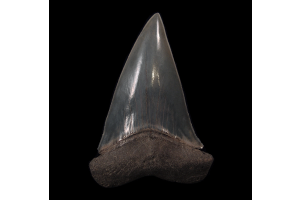
Page 25 - Megalodon
- - December 28, 2025
You walk along Ocean Isle and see something half-buried in the wet sand. It feels heavy and rough in your hand, shaped like a blade with a broad root. Could this be a megalodon tooth in Ocean Isle? Many beachcombers ask that same question. The thrill of discovery matters, but so does certainty. Knowing how to tell whether your find is real helps you move from guesswork to confidence. With the right clues, you can make an informed call about what you have found.
Look Closely at Shape and Size
Real Megalodon teeth have a wide, triangular shape. They appear strong and symmetrical with a broad root that balances the blade. Most examples range between three and five inches. Larger specimens, especially those over six inches, remain rare and valuable. If the shape looks narrow, oddly bent, or lacks structure, it may belong to another shark species. Always look for thickness and balance when judging the overall form. A solid root and curved blade often mark a genuine fossil.
Check Serrations
- - December 28, 2025
Owning a genuine Megalodon tooth is more than a fascinating conversation starter—it’s a direct connection to one of Earth’s most awe-inspiring marine giants. At Buried Treasure Fossils, we are passionate about helping collectors and enthusiasts experience the raw power and mystery of prehistoric oceans through high-quality fossil specimens. One of the most common questions we hear is how big was the Megalodon tooth, and the answer often leaves people amazed. These teeth can reach lengths over 7 inches, hinting at a predator that once dominated the seas.
But before diving into the grandeur and significance of these fossils, it’s crucial to understand why buying from an authentic seller matters more than ever.
Why Authentic Sellers Matter
In today’s market, the appeal of Megalodon teeth has led to an influx of inferior or misleading specimens. Many of these have excessive river polish, visible restoration, or outright damage, often masked by clever photography or vague descriptions. This
- - December 28, 2025
Fossil collectors who come across our UK section often wonder the same thing. Why do so few Megalodon teeth show up from this part of the world? The truth is simple. The land makes it difficult. Most coastal regions in the UK offer minimal access to the right types of fossil-bearing layers. These layers formed millions of years ago during the Miocene and Pliocene periods. Still, in the UK, only a few remain exposed today.
You can find them in areas like Suffolk and certain coastal cliffs, but they do not stretch for miles or appear often. Erosion does uncover some fossils, but it also takes many back into the sea. That constant shift keeps the number of UK-sourced teeth extremely low. Every Megalodon tooth in the UK collectors find comes through a rare mix of luck, effort, and precise timing.
The UK Holds Very Few Suitable Fossil Zones
For Megalodon teeth to survive millions of years, they need the right kind of sediment to bury and protect them. The UK does have some fossil-bearing deposits
- - December 28, 2025
Holding a Megalodon tooth feels like holding time itself. These teeth come from a massive prehistoric shark that once dominated the oceans. Teeth found in Chile have garnered significant interest from fossil collectors due to their exceptional condition and unique features. But here is the thing. As these fossils become rarer due to Chile’s export restrictions, the market has seen a rise in fake or altered specimens. That means anyone searching for a Megalodon tooth in Chile must know what to look for. This guide shows how to spot the real deal, avoid costly mistakes, and invest in a fossil that holds both history and value.
Why Do Collectors Choose Chilean Megalodon Teeth?
The fossil beds along Chile’s coast and deserts preserve some of the most exceptional Megalodon teeth on the planet. Over millions of years, marine sediments hardened around ancient remains, locking in incredible details. These fossils often display
● Strong enamel preservation that resists cracking.
● Well-defined
- - December 28, 2025
In the vast world of fossil collecting, authenticity is everything. Within the first few moments of examining a specimen, experienced collectors can often sense whether they’re holding a relic of prehistory or a skillfully crafted replica. When it comes to megalodon tooth fake vs real, the difference lies in the details—especially in how natural geological processes, particularly ocean sediments, influence fossil formation. For paleontology students, fossil enthusiasts, and professional collectors alike, understanding how authentic fossils form and what characteristics define them is essential for both scientific study and ethical collecting.
The Science Behind Fossilization
When the colossal Megalodon ruled the seas roughly 23 to 3.6 million years ago, its teeth regularly fell to the ocean floor. Unlike bones, shark teeth are composed largely of dentin covered by hard enamel, which makes them more resistant to decomposition. Over millions of years, sedimentary layers gradually covered
- - December 28, 2025
When we imagine the Megalodon, we often picture a colossal predator dominating the prehistoric oceans, its massive jaws capable of crushing anything in its path. Yet even this marine giant began life as a small, vulnerable offspring. By examining baby megalodon tooth size and studying the patterns of early growth, researchers gain rare insight into how these ancient sharks developed into the greatest predators the oceans have ever known. Fossils unearthed and studied by experts—including the fascinating specimens we showcase at Buried Treasure Fossils—offer an exceptional glimpse into the early life stages of this awe-inspiring creature.
Tracing the Origins: The Early Life of a Megalodon
Every Megalodon, no matter how massive in adulthood, started as a hatchling measuring just a few feet in length. Scientists believe these young sharks spent their earliest months in protected nursery areas—warm, shallow coastal zones rich in food and safe from larger predators. The discovery of clusters
- - December 28, 2025
The world beneath the waves has always held mysteries that captivate our imagination. Among those, few creatures evoke more awe than the Megalodon — the legendary giant shark that once ruled prehistoric seas. At Buried Treasure Fossils, we are thrilled to delve into one of the most extraordinary fossil finds of recent times: the discovery of the largest Megalodon tooth ever unearthed in Chile. This exceptional specimen has ignited excitement not just among fossil enthusiasts but also among those eager to understand our planet's deep past.
The Chile Megalodon tooth is more than just a paleontological marvel. It is a powerful reminder of the ancient giants that once swam our oceans and a testament to the richness of Chile's fossil-bearing coastal regions. This discovery connects us directly to a time when marine life thrived in forms both massive and magnificent.
A Colossal Discovery Along Chile’s Rugged Coast
Chile's coastal cliffs and marine sediment layers have long been known to hide
- - December 08, 2025
Buying a fossilized Megalodon tooth online can feel exciting until doubt creeps in. You start to wonder whether the tooth you bought is truly what the seller claimed. That is a valid concern. With a growing fossil market, many buyers receive pieces that look impressive but lack authenticity. Some fossils undergo restoration, while others turn out to be replicas. When you understand how to check your teeth, you make smarter decisions. These five clear checks will help you recognize an authentic megalodon tooth and give you the confidence to collect with care.
Examine the Enamel of an Authentic Megalodon Tooth
You should always look at the enamel first. A real Megalodon tooth will not have a shiny or flawless surface. Instead, the enamel typically exhibits a soft texture, microscratches, and natural signs of aging. These features reflect the long history of the fossil, not modern treatment. If the tooth feels smooth, like plastic, or reflects light sharply, it may have been polished. You
- - December 08, 2025
The Megalodon is one of the most famous sharks in history. It lived millions of years ago and grew to an enormous size. Collectors and fossil enthusiasts highly value the teeth of this giant shark. Among all locations, New Caledonia produces some of the rarest and most sought-after teeth. These teeth are not just fossils; they are a direct link to prehistoric oceans. Many collectors dream of owning a Carcharocles megalodon tooth from this exotic location.
A Glimpse Into the Past
The Carcharocles megalodon lived during the Middle Miocene period, about 15 to 20 million years ago. This giant predator ruled the oceans and left behind teeth that tell the story of its size and power. Teeth from New Caledonia are particularly special. They come from a rare underwater deposit that spans five square miles at a depth of about 1,000 feet. Today, dredging in this area has stopped, making every tooth from New Caledonia extremely rare.
Collectors value the Carcharocles megalodon because each
- - December 08, 2025
Not all megalodon teeth are created equal. While each one is a relic of Earth’s ancient oceans and a testament to the sheer scale of the Otodus megalodon - So. Carolina, there’s a wide range in their market value, and for good reason. As fossil enthusiasts, we often ask what makes one specimen command a much higher price than another. The answer lies in a combination of factors: size, preservation, color, provenance, and rarity. These are not just prehistoric artifacts; they are collector’s items where every detail matters. So let’s walk through why the value of these teeth varies so dramatically.
The Rarity Factor: Not Every Tooth Survives Time Equally
The megalodon roamed the oceans millions of years ago, leaving behind countless teeth over time. But that doesn’t mean all of them have survived in collectible condition. The conditions needed to preserve a tooth over millennia are specific and rare. When teeth are found whole, with intact enamel, minimal erosion, and no missing serrations,