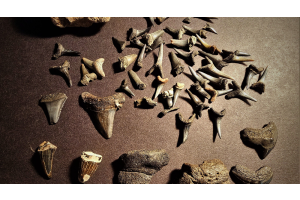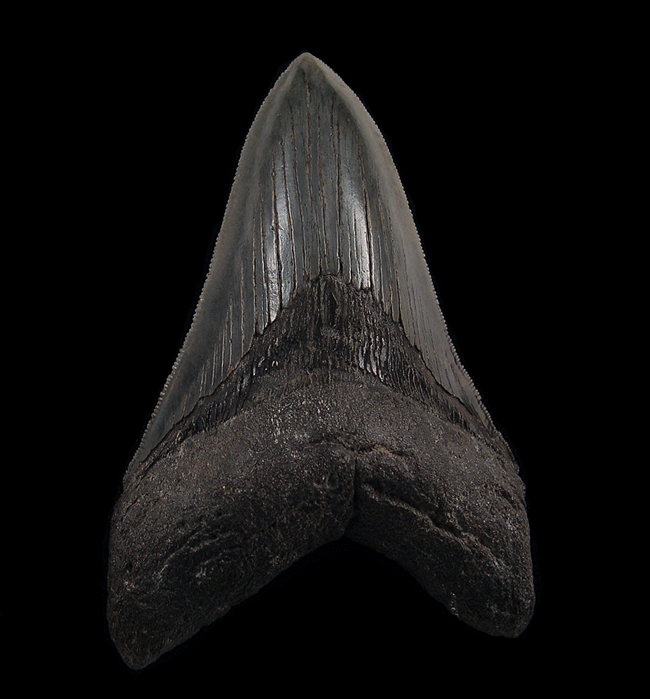
Not all megalodon teeth are created equal. While each one is a relic of Earth’s ancient oceans and a testament to the sheer scale of the Otodus megalodon - So. Carolina, there’s a wide range in their market value, and for good reason. As fossil enthusiasts, we often ask what makes one specimen command a much higher price than another. The answer lies in a combination of factors: size, preservation, color, provenance, and rarity. These are not just prehistoric artifacts; they are collector’s items where every detail matters. So let’s walk through why the value of these teeth varies so dramatically.
The Rarity Factor: Not Every Tooth Survives Time Equally
The megalodon roamed the oceans millions of years ago, leaving behind countless teeth over time. But that doesn’t mean all of them have survived in collectible condition. The conditions needed to preserve a tooth over millennia are specific and rare. When teeth are found whole, with intact enamel, minimal erosion, and no missing serrations, they become a premium find.
Some fossil beds, especially in South Carolina, where the Otodus megalodon - So. Carolina specimens are often recovered and yield exceptionally well-preserved teeth due to their unique sediment composition and low oxygen environments. These rare finds push prices up because of how infrequently they appear on the market.
Bigger Isn’t Just Better, It’s Pricier
Size plays a significant role in determining the value of a megalodon tooth. The majority of teeth range from 3 to 5 inches. But anything that crosses the 6-inch mark enters a category that is not just uncommon, it is exceptional.
A megalodon tooth measuring over 6 inches represents the upper limits of the species’ growth, possibly belonging to one of the largest individuals ever discovered. These giant teeth are not just physically impressive; they’re also rare. For collectors, obtaining a large specimen is a status symbol and a prize. That demand naturally drives prices higher.
Color Variation: Nature’s Unexpected Touch
One aspect that surprises many first-time collectors is how much color affects value. A megalodon tooth’s color is determined by the minerals present in the soil or sediment where it fossilized. South Carolina is particularly known for teeth with stunning hues—deep blues, rusty oranges, and rich browns that are rarely seen elsewhere.
Aesthetically pleasing teeth, especially those with rare or vibrant colors, fetch more in the collector’s market. The Otodus megalodon - So. Carolina examples, for instance, often display unusual colorations that set them apart from more common black or gray fossils found in other regions.
Preservation Quality: The Small Details That Make a Big Difference
Not all teeth are equal in their level of preservation. A tooth can be large and colorful, but if it’s worn down or has significant damage, its value drops considerably. The highest-value specimens typically meet several key preservation criteria:
● Sharp and complete serrations
● A well-defined, intact tip
● Strong, unbroken enamel
● A solid root with minimal erosion
Collectors are highly attuned to these details. Even slight imperfections, such as a chipped root or blunted serration, can lower a tooth’s price. Conversely, a smaller tooth in near-pristine condition might outperform a larger one in poor shape.
Provenance: Where It’s Found Matters
Provenance is another factor that adds value to a megalodon tooth. Knowing the exact location where a tooth was found and having confidence in the conditions of its recovery offers assurance of authenticity and enhances its historical significance.
For example, teeth listed with specific locality information, such as those from the rivers of South Carolina, carry a unique weight. Collectors often prefer fossils with known origin points, and the Otodus megalodon - So. Carolina specimens come with strong reputations for high-quality preservation and distinct coloration. This adds not just to the aesthetic but also to the scientific and historical value of the tooth.
The Role of Ethical Sourcing
Fossil sourcing has grown more transparent in recent years. Teeth obtained through legal and ethical means, often from licensed divers or excavators, are considered more valuable, especially among serious collectors.
Why? Because responsible sourcing protects both the fossil trade and the sites where these teeth are found. Knowing a tooth came from a documented and ethical dig can raise its profile in the eyes of buyers who care about preserving the integrity of fossil heritage.
Market Trends and Collector Demand
Megalodon teeth have grown in popularity thanks to their visual appeal and the general fascination with prehistoric predators. As demand rises, so does competition. But prices don’t climb uniformly. Instead, the most sought-after features—exceptional size, flawless edges, unique coloration, and verified provenance—are what consistently draw higher bids.
Collectors looking to add prestige to their collections focus on these traits, while newer buyers might prioritize more affordable options that still tell a story.
What Buyers Should Look For
If you’re considering purchasing a megalodon tooth, here’s what to prioritize:
● Size – Over 5 inches is a premium range. Over 6 inches is exceptional.
● Preservation – Look for sharp edges, intact roots, and undamaged enamel.
● Color – Vibrant or rare colors make the tooth more desirable.
● Origin – South Carolina examples like the Otodus megalodon - So. Carolina types are renowned for quality.
● Authenticity – Stick to sellers who provide provenance and detailed descriptions.
Why Collectors Continue to Pay Top Dollar
The market for megalodon teeth remains strong because these fossils sit at the intersection of science, history, and visual appeal. Each one tells a story about Earth’s past. The best examples are preserved in a way that makes them feel alive with prehistoric energy.
Whether mounted in display cases, sold as investment pieces, or passed down through generations, the highest-value teeth embody a mix of natural rarity and collector appeal that is difficult to replicate.
Conclusion: Quality, Rarity, and Source Define Worth
In the end, a megalodon tooth’s value comes down to a combination of measurable factors: size, condition, coloration, and where it was found. Some of the most admired examples—like the Otodus megalodon - So. Carolina teeth excel in all these areas, making them sought-after by seasoned fossil enthusiasts and new collectors alike.
If you're searching for teeth that are ethically sourced, well-preserved, and visually striking, Buried Treasure Fossils remains one of the top destinations for high-quality specimens backed by experience and reputation.
Contact us today to find your ideal megalodon tooth fossil—authentic, rare, and expertly sourced for serious collectors.