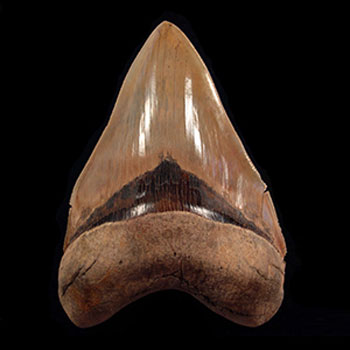
Not every Megalodon tooth listed online is what it claims to be. Some may appear impressive in photos, but they may also have undergone restoration or artificial modifications that can mislead buyers. Whether you collect fossils, shop for investment pieces, or admire prehistoric marine life, knowing how to identify a genuine Megalodon tooth is crucial. A real specimen carries unique markers that reflect time, pressure, and mineral content, not tools or paint. Learning how to evaluate these features helps you avoid costly mistakes and builds trust in every fossil you choose to own.
Understanding What Real Megalodon Teeth Reveal
Authentic Megalodon teeth are fossils that formed over millions of years in sediment-rich environments. No two are the same. Their texture, coloration, and condition reflect both their geological history and the location where they were uncovered. You can expect minor chips, surface cracks, and mineral staining. These traits do not reduce value. They validate age. Perfect-looking teeth often raise questions. The fossil market includes restored and replicated pieces that lack natural markers. Recognizing authentic wear helps buyers distinguish genuine specimens from those that have been altered for visual appeal.
Surface Clues That Confirm Authenticity
Surface texture speaks volumes. Genuine Megalodon teeth do not appear overly smooth or polished. They display uneven patterns across the enamel and fine natural ridges that show signs of fossilization. These textures originate from the passage of time in mineral deposits. When a tooth appears glassy or overly uniform, it is likely the result of artificial treatment. Always inspect for signs such as:
● Visible but shallow enamel cracking
● Slight edge wear that follows a natural pattern.
● Irregular patches of surface gloss or dullness.
● Faint mineral streaking that aligns with the sediment origin.
These indicators reflect long-term burial rather than restoration or fabrication.
Key Features to Examine Before Purchase
While photographs can offer a first impression, detailed observation reveals more. A genuine Megalodon tooth exhibits distinct physical characteristics that are easily identifiable. Use these checkpoints before committing to a fossil:
● Look for precise but aged serrations on the blade.
● Examine the root for coarse texture and signs of pitting.
● Check for smooth transitions in color from root to crown.
● Confirm that there are no visible glue lines or mismatched parts.
These features work together to confirm that the fossil developed naturally, rather than in a laboratory or workshop.
Color Patterns Reflect Fossil Origin
Each Megalodon tooth absorbs minerals from its surrounding environment. This process affects its final color. Teeth found in riverbeds often appear darker due to the presence of higher levels of iron or manganese in the surrounding soil. Lighter shades can come from dry fossil zones. You should expect some variation in hue, even within the same region. Uniform color across the entire tooth can suggest artificial staining. The crown may exhibit streaks or patches, while the root may have a more textured, matte finish. These variations add character and help determine the tooth’s place of origin.
Avoid Mistakes by Asking Direct Questions
Before finalizing a purchase, ask the seller clear questions about the tooth’s history. Informed sellers provide answers confidently. If a listing appears vague or omits essential details, proceed with caution. Helpful questions include:
● Where did the fossil come from
● Has any part of the tooth been repaired or restored.
● Are there close-up images of the serrations and root texture?
A real fossil should come with a story, not just a price tag. When the seller respects that history, it shows in how they handle the transaction.
Recognize the Role of Minor Restoration
Some real fossils need minimal restoration to remain stable. Filling small chips or reinforcing weak enamel does not reduce authenticity if disclosed. However, excessive work such as root replacement, reshaping, or artificial polishing diminishes a fossil’s integrity. Buyers should understand where natural features end and repairs begin. Ask for descriptions that clarify which sections are original. Minor restoration may not affect value, but undisclosed work reflects poor practice. A trustworthy seller will point out both strengths and flaws.
Final Thought for Serious Buyers
A real Megalodon tooth offers more than appearance. It connects you to one of the most potent marine creatures in Earth’s history. The buying process should feel informed, not uncertain. Each fossil should carry the physical markers of time, from edge wear to mineral tone. When you know what to look for, you move beyond surface-level appeal and into real collecting. By recognizing these signs, asking thoughtful questions, and studying each tooth carefully, you give yourself the best chance to secure something that reflects actual prehistoric value.
Footnote
Understanding how real Megalodon teeth form and what traits to expect helps collectors and curious buyers avoid misleading fossils and make well-informed decisions.