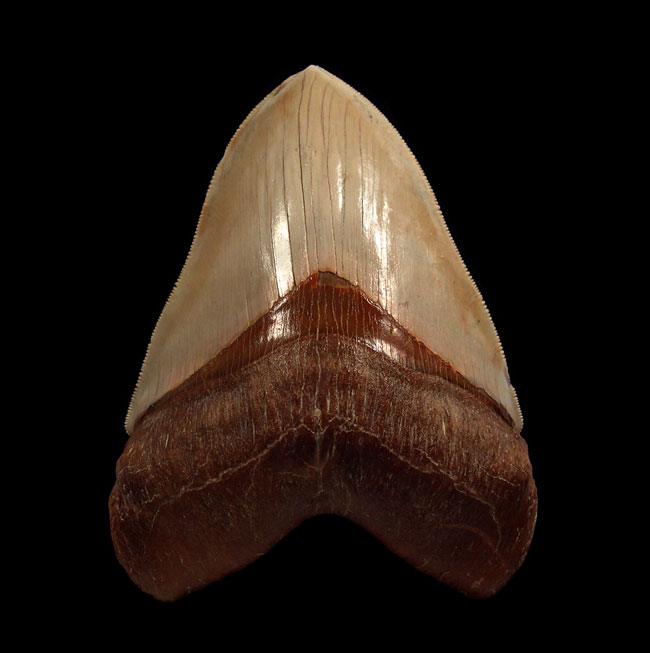
The world beneath the waves has always held mysteries that captivate our imagination. Among those, few creatures evoke more awe than the Megalodon — the legendary giant shark that once ruled prehistoric seas. At Buried Treasure Fossils, we are thrilled to delve into one of the most extraordinary fossil finds of recent times: the discovery of the largest Megalodon tooth ever unearthed in Chile. This exceptional specimen has ignited excitement not just among fossil enthusiasts but also among those eager to understand our planet's deep past.
The Chile Megalodon tooth is more than just a paleontological marvel. It is a powerful reminder of the ancient giants that once swam our oceans and a testament to the richness of Chile's fossil-bearing coastal regions. This discovery connects us directly to a time when marine life thrived in forms both massive and magnificent.
A Colossal Discovery Along Chile’s Rugged Coast
Chile's coastal cliffs and marine sediment layers have long been known to hide fossil treasures, but the unearthing of this Megalodon tooth marks a new high point. Measuring extraordinary dimensions, this fossil stands out not just for its size but for its remarkable preservation. Experts working together in the region brought this giant tooth to light through patient excavation, careful documentation, and unwavering dedication.
The landscape where it was found — shaped by millennia of tectonic movement, erosion, and oceanic deposition — is itself a geological wonder. The fossilized tooth emerged from these layers like a message from the deep past, revealing new insights into the marine giants that once dominated the region's waters. Its condition and magnitude offer a rare glimpse into the scale of prehistoric marine life, stirring fascination across the globe.
Who Was the Megalodon?
The Megalodon — literally meaning “big tooth” — is often described as one of the most powerful marine predators to have ever existed. Roaming the oceans approximately 23 to 3.6 million years ago, this species is believed to have reached lengths up to 60 feet, perhaps even more. Its jaws could exert crushing force, and its teeth, serrated and broad, were perfect for its commanding role in the ancient food chain.
Unlike any shark alive today, the Megalodon’s size and strength placed it firmly at the top of the marine ecosystem. It is believed that its presence shaped the behavior and evolution of other marine animals, influencing migratory routes and feeding patterns. The species likely roamed across global waters, from warm coastal regions to deeper ocean zones, dominating its environment with unparalleled prowess.
The Chile Megalodon tooth serves as compelling physical proof of just how massive these creatures could grow. Such fossils are not just awe-inspiring due to their sheer size, but also because they help us piece together how the Megalodon may have lived, thrived, and eventually disappeared from Earth's waters. They serve as time capsules from an ancient ocean, allowing us to better visualize a time when nature produced creatures of extraordinary scale and power. Each discovery like this adds another brushstroke to the portrait of life on Earth millions of years ago.
Chile: A Paleontological Powerhouse
Chile's diverse and dynamic geological landscape makes it a hotspot for fossil discoveries. From the arid Atacama Desert to the Pacific shoreline, ancient layers of earth have preserved the remnants of life from eons past. The discovery of the largest Megalodon tooth ever in this region further underscores Chile’s global significance in the field of fossil exploration.
At Buried Treasure Fossils, we recognize Chile not just as a site of discovery, but as a bridge between past and present. Every fossil that emerges from this landscape contributes to a richer understanding of the Earth’s evolutionary story and deepens our appreciation of its ancient environments.
Why the Discovery Matters
While the Megalodon is already a celebrated figure in prehistoric lore, this latest discovery reignites our interest with fresh energy. This tooth is not simply a relic; it is a monument to a time when marine life was on an immense scale, both in form and in influence. Holding such a tooth is like holding a piece of Earth's ancient puzzle — one that can shed light on patterns of extinction, adaptation, and survival over millions of years.
Fossils like this serve as reminders of the delicate balance of life and the ever-changing dynamics of our planet. They invite us to imagine the immense oceans that once existed and the creatures that shaped them.
A Shared Fascination
What makes this find so captivating is its ability to draw interest from far beyond the scientific realm. At Buried Treasure Fossils, we have seen how discoveries like the Chile Megalodon tooth captivate collectors, educators, artists, and lifelong learners alike. There is something universally compelling about connecting to a creature so mighty and mysterious.
For us, this fascination is not just about marveling at the past — it's about sharing it. Each fossil carries a story, and we are proud to be part of the journey that brings those stories to life for our global community of enthusiasts.
Final Thoughts: An Ancient Giant Reawakens
The discovery of the Chile Megalodon tooth is a milestone that reaches beyond geography and discipline. It represents a rare and profound connection to a distant past, a time when marine life dwarfed what we know today. As one of the largest Megalodon teeth ever discovered, this specimen stands as a testament to the grandeur of prehistoric life and to the ongoing wonder that fossils can evoke.
At Buried Treasure Fossils, we are honored to share in the excitement that such finds bring. They remind us that the past is never truly gone — it lingers in stone, sediment, and the stories we uncover.
Explore more about Earth's ancient giants and fuel your curiosity — visit Buried Treasure Fossils and dive into a world where history comes to life.
Disclaimer: This blog is intended for informational purposes only. It does not encourage or endorse any unethical or illegal practices related to fossil collection. Please always adhere to local laws and regulations and practice environmental responsibility.