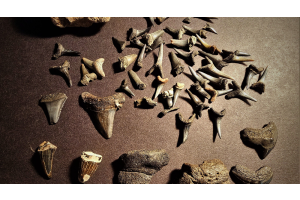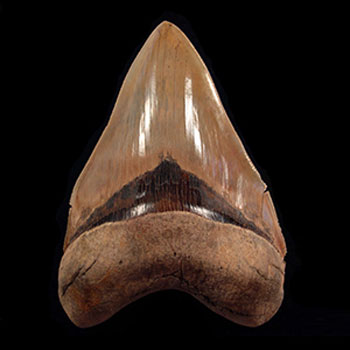
The ocean has always held mysteries, but few captivate the imagination quite like the megalodon. These giant predators swam the seas millions of years ago, leaving behind a legacy in the form of teeth. While many specimens have been studied, the discovery of the youngest megalodon tooth provides a rare glimpse into the species’ final days. It provides researchers with more than a fossil—it offers insight into the very timeline of extinction.
This discovery is not only a scientific marker but also a reminder that relics of the past can still be uncovered in unexpected places. Collectors and enthusiasts alike often wonder what these ancient artifacts mean for history and how they remain relevant today.
Why Megalodon Teeth Fascinate Collectors
Beyond their sheer size, megalodon teeth hold a remarkable charm. Their triangular shape, serrated edges, and fossilized hues can instantly spark curiosity. Each specimen represents a story buried beneath layers of sand and stone for millions of years. For some, owning a megalodon tooth is like holding a piece of ancient ocean in their hand.
Enthusiasts often explore fossil beds, riverbanks, and coastal sites where these treasures can still be found. Unlike ordinary shark teeth, megalodon specimens reveal not only evolutionary history but also the geographical spread of the oceans long ago. This makes them highly sought after by both scientists and private collectors.
The Allure of Rare Discoveries
What makes certain specimens more valuable than others? Condition, size, and rarity all play a role. Teeth that preserve sharp serrations, natural enamel, or remarkable color variations are considered exceptional. Some fossils emerge with deep blues, oranges, or even hues influenced by the minerals in the soil in which they were preserved.
When a rare or unusually young specimen surfaces, it gains significance that extends beyond display cabinets. It offers the scientific community valuable data, while collectors view it as a once-in-a-lifetime addition to their collection.
Measuring the Worth of Ancient Teeth
Collectors often inquire about the price of megalodon teeth, as the market for these fossils can fluctuate significantly. Small or damaged specimens might be affordable for casual enthusiasts, while large, well-preserved teeth can reach astonishing values. The combination of rarity, size, and aesthetic appeal creates a marketplace where no two fossils are truly equal.
For those beginning their journey into collecting, understanding the variables that determine value is essential. Rather than focusing solely on size, it is often the completeness, enamel quality, and even symmetry that increase worth.
From Riverbeds to Private Collections
Finding a tooth is an adventure in itself. Many hunters wade through rivers, dig along cliff sides, or carefully sift through sediment in areas known for their fossil deposits. Each discovery brings with it the thrill of possibility. Will it be a broken fragment, or could it be an intact relic worthy of display?
For collectors who prefer a curated approach, the fossil market offers carefully preserved specimens with verifiable origins. Authenticity and preservation practices ensure that each piece carries both history and value. Whether found in the wild or acquired through collectors’ networks, these fossils bridge the ancient world with our present.
Scientific Importance of Fossil Evidence
Beyond collecting, megalodon teeth serve an irreplaceable role in paleontology. Unlike bones, which rarely survive over millennia, teeth endure. They tell stories of diet, hunting patterns, and even the spread of ancient oceans. With every new discovery, researchers adjust timelines and reconsider the environments in which these predators thrived.
The youngest megalodon specimens, in particular, help narrow down when the species disappeared. By examining enamel structure, isotopes, and mineral content, scientists continue piecing together the puzzle of the megalodon’s extinction.
A Bridge Between Past and Present
What makes these fossils so captivating is the way they connect two worlds. On one hand, they belong to a time long before humanity. On the other hand, they sit in our hands, polished and tangible. This duality sparks imagination: what was life like in oceans filled with creatures larger than buses? What role did these sharks play in shaping marine ecosystems?
Both collectors and researchers are drawn to these questions. Each fossil presents an opportunity to reflect on survival, evolution, and change spanning millions of years.
Bringing the Ancient Ocean Home
For many enthusiasts, acquiring a megalodon tooth isn’t only about investment or aesthetics—it’s about connection. Displayed on a shelf, held during study, or passed down as a family keepsake, these fossils become symbols of endurance. They remind us of a time when the ocean ruled with giants and when survival meant adaptation at the highest level.
Whether it’s the youngest megalodon tooth found or a specimen weathered with age, each carries significance. To own one is to hold history in its most tactile form.
Conclusion: Holding History in Your Hands
Every megalodon tooth is a fragment of the past, shaped by oceans and time. From rare finds that reshape scientific timelines to specimens collected for their beauty, they continue to inspire fascination. While the megalodon may no longer roam the seas, its legacy remains within reach. And for those curious about their worth, the megalodon tooth price reflects not only rarity but also the story each fossil holds.
If you’ve ever wanted to experience the awe of the ancient ocean, now is the time to explore the world of fossil collecting. Discover a piece of history, bring the past into your home, and let curiosity guide your journey.