

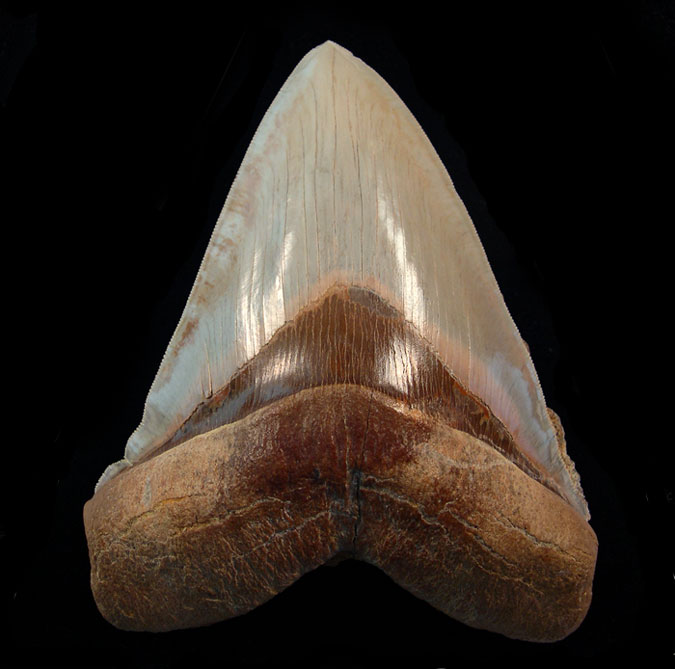
Holding a Megalodon tooth feels like holding time itself. These teeth come from a massive prehistoric shark that once dominated the oceans. Teeth found in Chile have garnered significant interest from fossil collectors due to their exceptional condition and unique features. But here is the thing. As these fossils become rarer due to Chile’s export restrictions, the market has seen a rise in fake or altered specimens. That means anyone searching for a Megalodon tooth in Chile must know what to look for. This guide shows how to spot the real deal, avoid costly mistakes, and invest in a fossil that holds both history and value.
Why Do Collectors Choose Chilean Megalodon Teeth?
The fossil beds along Chile’s coast and deserts preserve some of the most exceptional Megalodon teeth on the planet. Over millions of years, marine sediments hardened around ancient remains, locking in incredible details. These fossils often display
● Strong enamel preservation that resists cracking.
● Well-defined serrations along the edges.
● Distinct color variations due to regional minerals.
Many collectors prefer Chilean fossils due to their natural qualities. The country’s fossil laws now protect most of its fossil-rich zones, so authentic Chilean teeth available today come only from old, legally exported collections. That limited supply adds value, but it also opens the door for deceptive sellers who try to pass off replicas or heavily repaired pieces as genuine.
Ask the Right Questions Before You Buy
Before spending your money, speak with the seller and ask direct questions. This approach provides clarity and indicates the extent to which the seller is aware of or chooses to disclose. Good questions include
● Where and when was this Megalodon tooth found?
● Has any part of the tooth been restored or repaired?
● Has the tooth been chemically treated or polished?
● Can you confirm this came from a legal export before Chile’s fossil restrictions?
Sellers who provide brief or ambiguous answers may not be trustworthy. Reputable sources clearly share this information, and they should never hesitate to discuss the condition, history, or any restoration work done to the fossil.
Recognize Warning Signs That Signal Inauthenticity
You do not need to be an expert to spot warning signs. Use your eyes and your judgment. Begin by examining the enamel. Real Megalodon teeth from Chile show natural wear, minor surface cracks, and fine ridges. If the enamel appears too smooth or overly shiny, it may indicate that the tooth was polished to conceal flaws. That treatment can damage natural features and reduce the fossil’s value.
Next, feel the root. Genuine fossilized roots carry a gritty, uneven texture. A root that feels slick or looks painted often signals restoration. Compare the color between the enamel and the root. Fossils typically exhibit gradients and subtle color variations. If both parts show a single flat shade, that could indicate artificial treatment. Take your time. These checks can protect you from overspending on something that will not hold value.
Understand Fossil Laws That Impact Buying Decisions
Chile’s fossil protection laws stopped the export of newly discovered specimens. This change aimed to preserve the country’s paleontological history. That means any Megalodon tooth in Chile available for sale today should come from a collection built before these rules took effect. If a seller cannot explain how the fossil was legally obtained from Chile, it is better to walk away. Fossils with unknown or unclear origins pose both legal and ethical problems.
Responsible collectors care about a fossil’s story as much as its appearance. A real Chilean specimen has more than sharp serrations or good color. It carries legal and historical credibility. Buy from sources who respect these standards. That helps protect both your investment and the science behind the fossil.
Learn the Natural Traits That Prove Authenticity
Real Chilean Megalodon teeth share specific characteristics that you can learn to recognize. These traits include
● Weight and density that feel solid and mineral-rich.
● Sharp, consistent serrations that line the edges.
● Subtle but visible microcracks in the enamel.
● Root structures that feel rough with natural wear.
● Natural variations in color that shift between the enamel and the root.
When all these features appear together, they point to authenticity. If the tooth looks too perfect or feels too light, consider that a warning. Trust your instincts, but verify what you see with known examples from established sellers.
Choose Trusted Sellers Who Prioritize Fossil Integrity
Buying fossils is not only about the item. It is about the person or shop you are buying from. Reliable sellers provide detailed photos, share sourcing information, and disclose any restoration work. They answer questions without hesitation and offer support if you need further validation. Avoid anyone who rushes your decision or avoids specifics.
A well-run fossil business focuses on transparency. They understand the importance of honesty, not just in preserving customer trust but in protecting the integrity of fossil collecting. When you buy from a trusted dealer, you are not just acquiring a tooth. You are building a collection based on real value and authentic history.
Own a Tooth That Feels Off? Take These Steps
If you have already bought a Chile Megalodon tooth and now feel uncertain about its authenticity, take a few simple steps to assess it.
● Compare it to examples from established, well-known dealers.
● Examine the enamel for natural texture, not polish or gloss.
● Feel the root and check for a gritty, weathered surface.
● Look at the color shifts between the root and crown.
If doubts persist, consult a fossil expert or paleontologist for an evaluation. Museums or fossil societies sometimes offer consultations. Even if your tooth turns out to be altered or misrepresented, you can still enjoy it. What matters is that you learn from the experience and make informed decisions in future purchases.
Conclusion
Buying a Megalodon tooth in Chile offers more than a fossil. It provides a connection to prehistoric life and a chance to own a rare piece of natural history. However, to protect that value, you must remain vigilant to the risks. Fake or altered teeth are often found in the marketplace, especially as authentic pieces become increasingly scarce. Learn how to check for natural traits. Ask the right questions. Understand the legal background. Choose sellers who respect the story behind each fossil. When you follow these steps, you build a collection that holds lasting value, meaning, and trust.
Footnote
A real fossil carries weight beyond appearance. Knowing its origin, condition, and legality protects its value and your role as a responsible collector.






