When collectors search for a Megalodon tooth in Indonesia, they often come across specimens that look almost unreal. Some of these fossil teeth reflect light so cleanly that they appear polished like stone. The question naturally follows: is that surface shaped by nature or human hands? For anyone investing in these fossils, understanding the origin of that shine is essential. Teeth from West Java, a region known for its exceptional fossil deposits, often carry this high-gloss look.
But not all shine means tampering. In fact, the polishing of many West Java fossils happens deep underground, not in a workshop. That distinction matters. It affects how collectors judge authenticity, value, and long-term preservation. If you want to make informed decisions as a buyer or collector, understanding how these finishes form—and what they say about a tooth’s journey—is where you begin.
Learn What the Surface Says About the Fossil
Every fossil tells a story, but only if you know where to look. The enamel surface of a West Java Megalodon tooth holds more than visual appeal. It reveals what the fossil endured over millions of years. West Java teeth spend ages buried in limestone-rich soil. That environment acts like a vault. It preserves enamel in ways other regions can’t match. What emerges is a surface so clean it often confuses even experienced buyers.
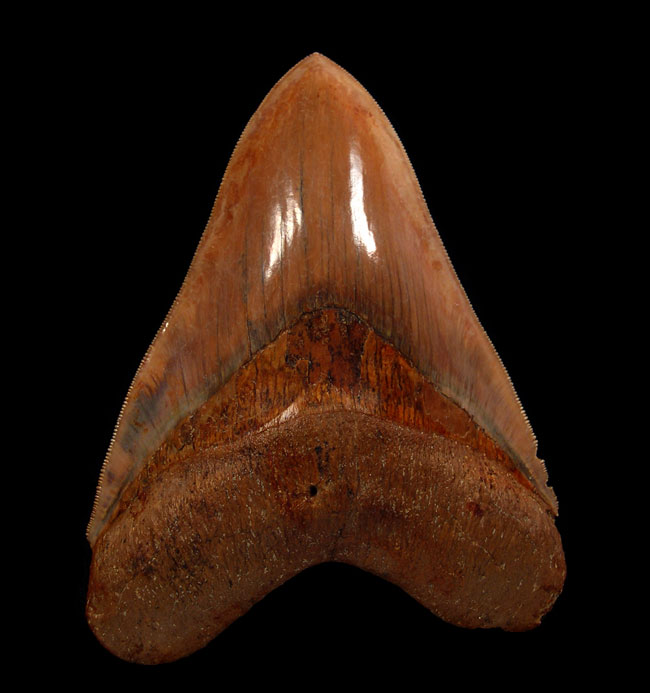
Unlike artificial polishing, which gives a uniform glassy sheen, natural enamel shows variation. Some areas reflect light while others remain duller. A closer inspection reveals tiny grooves, natural ridges, and enamel layers—all untouched. If a person had polished the surface by hand, those details would fade or disappear altogether. So when you see a West Java tooth with natural luster and preserved texture, you’re looking at a specimen shaped by pressure, not polishing tools.
Why Do West Java Teeth Attract Collectors Worldwide?
These fossils do more than shine. They offer qualities few other sites can deliver. West Java Megalodon teeth come from the Bentang Formation. In this fossil-rich area, the soil and limestone conditions combine to preserve structure, color, and fine detail. The region’s acidic tropical soil threatens exposed roots, but deep limestone burial protects the enamel. This contrast helps explain why collectors consider these teeth among the most desirable.
You often find brilliant multi-tone coloring in each tooth—reds, golds, blacks, blues, or even patterns like the “Tiger Eye,” which shows alternating red and gold stripes. Another typical pattern is the “Fountain,” where shades seem to flow like a natural design. These traits are not added after excavation. They form underground over millions of years through mineral absorption and pressure. The result is a fossil that looks remarkably straight from the earth, without any enhancement.
How to Tell Natural from Artificial Surface Shine?
Buyers should know how to recognize whether a fossil tooth has been artificially polished or retains its original finish. West Java specimens often show a few telltale signs of natural preservation:
● The surface gloss appears uneven, with more reflection on the crown and less on the root area
● Serrations remain sharp, especially near the tip, showing no signs of smoothing.
● Microscopic ridges stay intact, especially near the bourlette and blade.
● Enamel patterns hold depth and texture rather than looking flat or glassy.
Artificial polishing often leaves the entire surface looking unnaturally smooth. In many cases, polishing also hides small cracks or restoration work. This can mislead buyers about the tooth's condition and actual value. By learning how natural enamel behaves under light and touch, you gain the confidence to identify authentic preservation. West Java fossils, when left untouched, offer that clarity.
Every Tooth Comes from Hand Excavation
Collectors value the truth behind the fossil just as much as the fossil itself. That’s why the process matters. Local miners in West Java use basic tools and hands-on digging techniques. They work hillsides, riverbeds, and cave systems in search of buried teeth. Each Megalodon tooth in Indonesia comes through patience and skill, not machinery. But this effort has risks. Digging into limestone requires effort, and it often takes days to find a single complete tooth. In the process, some teeth may suffer from tool marks or root damage.
That’s why perfect specimens are rare and demand high attention. Still, hand excavation protects the fossil better than mechanical equipment ever could. When you receive a tooth that survived all those elements—acidity, pressure, manual recovery—and it still retains color, gloss, and serration, you’re holding more than a fossil. You’re holding proof of endurance.
Color and Pattern Reflect the Tooth’s Natural History
One feature that sets West Java teeth apart is color. These fossils don’t follow a single shade. Instead, you’ll see deep browns, oranges, blues, and even blacks blending across the crown. Some teeth present dispersed color mixes. Others reveal tight, organized bands that appear almost deliberate. The most unique patterns—like “Tiger Eye” and “Fountain”—occur only in select areas of West Java.
These colors come from minerals in the surrounding sediment. They seep into the enamel over time, shaping the tone and pattern of each tooth. No two teeth look exactly alike. That natural variation increases their desirability. It also proves the finish was never altered post-excavation. When paired with untouched enamel, these color patterns make the tooth both a scientific specimen and a collector’s showpiece.
What to Ask Before You Buy?
Buyers should feel confident when evaluating a fossil tooth. Asking the right questions can help protect your investment. Consider the following points before making your decision:
● Has the tooth been polished or restored in any way since excavation?
● Do the serrations remain sharp and visible across the blade?
● Can the seller confirm the tooth came from hand excavation?
● Does the surface show natural variation, or does it reflect a consistent gloss?
These questions help you filter authentic fossils from overprocessed ones. Sellers who know their inventory will welcome this level of interest. They understand that informed collectors respect truth over appearance. A fossil should speak for itself through its features, not through added shine.
Conclusion
When you examine a Megalodon tooth in Indonesia, especially from West Java, the finish tells more than just visual appeal. It speaks of the conditions that preserved it, the hands that recovered it, and the time it spent untouched beneath layers of limestone. Natural polish, with its depth, variation, and clarity, signals that the fossil remains in its original state. Artificial polish removes that truth. As a collector, you want fossils that reveal their story through every detail. West Java Megalodon teeth give you that opportunity. They offer structure, pattern, and history—all without interference. When you know what to look for, you’ll make more intelligent choices and build a fossil collection rooted in authenticity.
Footnote
West Java Megalodon teeth combine age, natural finish, and color depth, offering fossil collectors a rare and credible specimen without the need for artificial surface polish.