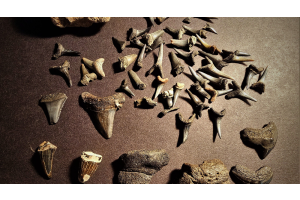
You walk along Ocean Isle and see something half-buried in the wet sand. It feels heavy and rough in your hand, shaped like a blade with a broad root. Could this be a megalodon tooth in Ocean Isle? Many beachcombers ask that same question. The thrill of discovery matters, but so does certainty. Knowing how to tell whether your find is real helps you move from guesswork to confidence. With the right clues, you can make an informed call about what you have found.
Look Closely at Shape and Size
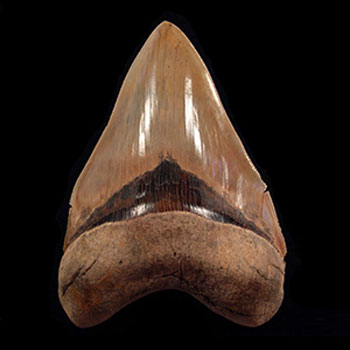
Real Megalodon teeth have a wide, triangular shape. They appear strong and symmetrical with a broad root that balances the blade. Most examples range between three and five inches. Larger specimens, especially those over six inches, remain rare and valuable. If the shape looks narrow, oddly bent, or lacks structure, it may belong to another shark species. Always look for thickness and balance when judging the overall form. A solid root and curved blade often mark a genuine fossil.
Check Serrations and Root Integrity
Examine both edges of the blade under natural light. You should see tiny ridges along the sides. These serrations once helped the Megalodon cut through thick skin and bone. Even with age and erosion, many teeth still show visible patterns. Move your fingers along the root and feel for strength and texture. A complete root usually supports the tooth well. If the root crumbles or looks unnaturally smooth, you might not be dealing with a fossil. Authentic teeth keep traces of their ancient function and structure.
Notice the Weight and Surface Texture
A real fossil carries weight. Megalodon teeth became heavier as minerals replaced the organic matter over time. If your tooth feels light or hollow, question it. Hold the piece firmly and tap it against a stone or metal surface. A dull thud means you likely have a fossil. A sharp, hollow sound usually points to plastic or resin. Run your hand across the surface. You should feel small natural ridges or mineral deposits. Genuine fossils never feel too smooth or polished.
Check the Color with Care
Color changes in Megalodon teeth are due to the soil and sediment in which they rested. Along Ocean Isle, most fossils show tones of black, gray, brown, or deep red. Look for natural variation between the blade and the root. These tones rarely appear solid or glossy. If you see a shiny finish or bright white hue, the object may be a replica. Actual fossils tell their story through color as much as structure. They carry the signature of minerals absorbed through time.
Search for the Right Conditions in Ocean Isle
Ocean Isle creates promising conditions for fossil discovery. Tides, currents, and storms can shift sand and reveal buried remains. Most beachcombers have better luck after strong waves or near inlets where water pressure moves sediment. You do not need fancy tools. Sharp eyes and patience go a long way. Fossils often blend with the sand, so take your time. Natural exposure plays a significant role in revealing what was hidden.
Five Steps to Evaluate Your Find
● Measure the tooth with a ruler. Real teeth often range between three and five inches.
● Check both sides for even shape and strong symmetry.
● Look for mineral stains and rough textures across the surface.
● Run your fingers along the edges to feel for serrations.
● Confirm that the root looks complete and not artificially shaped.
These steps do not replace professional opinions, but they help guide your initial assessment.
Use Reference Examples for Comparison
Comparing your find to verified fossils adds clarity. If you believe you have discovered a megalodon tooth in Ocean Isle, study photos from trustworthy fossil sellers. Focus on the blade angle, root shape, and edge detail. Hold your specimen beside these references. If it matches in form and character, that adds weight to your belief. Visual comparison sharpens your recognition over time. The more examples you review, the better you get at spotting authenticity. Treat it as part of your learning and collecting process.
Ask Experts if You Feel Unsure
Fossil shops, collectors, or museum staff often help confirm your discovery. Experts can tell you if the tooth is real and provide more details about its condition and origin. They know how to recognize mineral build-up, wear lines, and other signs of age. Their insight gives you peace of mind. A quick evaluation from someone knowledgeable can give your find more meaning and a story about its origins.
Understand What Makes a Fossil Valuable
Size and condition play a significant role in determining value. A Megalodon tooth over five inches often gets more attention, especially if it keeps its serrations and shows color variation. Some collectors prize symmetry, while others enjoy color tones caused by mineral exposure. Even smaller teeth have worth, especially if you found them yourself. A fossil holds more than market value. It connects you to a time when giant predators ruled the sea.
Protect the Tooth You Discovered
Once you identify the fossil, make sure you store it safely. Please keep it away from sunlight or extreme temperatures. Use a cushioned container or case to protect the edges and root. If it feels fragile, avoid moving it around too often. Write down the date and location of your discovery. That information adds to its historical interest. Light cleaning with a soft brush may help remove surface sand, but do not use cleaners or polish. Natural condition adds to its authenticity.
Important Details to Remember
● Megalodon teeth feel solid, mineralized, and naturally shaped.
● Colors reflect the minerals in the sediment, not artificial paint.
● Serrations appear even, not molded or pressed.
● Root structure should look wide and proportional.
● Fossils often carry small chips or worn marks without losing their value.
These details matter when determining whether your find belongs to a prehistoric predator.
Final Thoughts
When you believe you have found a Megalodon tooth in Ocean Isle, please focus on the proper steps to evaluate it. Let shape, texture, and weight guide your review. Check color changes and compare with authentic examples. If needed, speak with experts to confirm the discovery. Your fossil may link directly to an ancient species that once ruled the ocean. That connection turns a walk on the beach into a discovery worth remembering.
Footnote
Every Megalodon tooth carries signs of time, place, and mineral content that make it one of a kind.