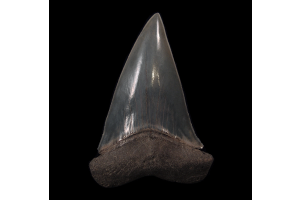
Page 15 - Megalodon
- - January 01, 2026
Few learning moments light up a child’s imagination quite like holding an ancient fossil in the palm of their hand. Within the first minute of exploring a real specimen, curiosity awakens, questions begin to tumble out, and Earth’s long-ago stories suddenly feel much closer. When students or young explorers get the chance to examine a big megalodon tooth, that moment becomes even more powerful because they’re touching a piece of a creature that ruled the oceans millions of years ago.
Why a Megalodon Tooth Captures Kids’ Imaginations
For middle-school learners, big concepts—like extinction, deep time, and evolution—can feel too abstract when presented only through textbooks or videos. But fossils instantly make those ideas tangible. A megalodon tooth isn’t just a rock; it's a preserved biological tool that once helped a massive ancient shark survive its marine ecosystem. When kids hold one, they’re not imagining history—they’re physically connecting with it.
At Buried Treasure Fossils,
- - January 01, 2026
Megalodon teeth are some of the most sought-after marine fossils on the planet. Whether you’re a first-time buyer or a long-time collector, knowing how to verify authenticity is crucial. These teeth are millions of years old, and their market value varies greatly depending on size, condition, and source. While replicas and restored specimens have their place, they must be accurately represented. As we offer fossil specimens for sale, including high-quality megalodon teeth, one common question we hear is: Can you buy a megalodon tooth and trust it’s the real deal?
If you're investing in a fossil that represents one of the ocean’s most formidable predators, the last thing you want is to end up with something artificial or poorly restored. Let’s walk through what real megalodon teeth look like, how to verify their features, and what signs to watch for when evaluating authenticity.
Start with the Basics: What Makes a Megalodon Tooth Real?
Authentic megalodon teeth are fossilized remains, typically
- - January 01, 2026
Starting your fossil-collecting journey is exciting, especially when you’re holding a tooth from one of the most legendary sharks to ever swim the ocean. As you grow your collection, you’ll hear a lot about spotting a fake megalodon tooth, which is especially important since replicas are more common now than ever. That’s why we want to give young collectors a clear, practical way to understand the difference—starting with weight.
Why Megalodon Teeth Matter to Young Collectors
Megalodon teeth are some of the most popular fossils on the planet. They’re big, bold, and full of prehistoric personality, which is why they’re the perfect beginner fossil for teen hobbyists. When you explore our collection at Buried Treasure Fossils, the first thing you’ll notice is how each real tooth carries millions of years of natural history. No two are alike, and each one has its own unique journey from the ocean floor to your hands.
But this popularity comes with a downside—replicas flood the market, and
- - January 01, 2026
The Megalodon shark once ruled ancient oceans with unmatched power, leaving behind a legacy in the form of fossilized teeth. These teeth have captivated scientists, collectors, and curious minds alike. Today, they continue to spark interest not just as museum specimens but as wearable fossils. We offer a wide range of authentic fossilized teeth, including those used to create a unique megalodon tooth necklace, bridging the prehistoric past with modern fascination.
The Megalodon: Apex Predator of Ancient Waters
The Megalodon (Otodus megalodon) lived roughly 3.6 to 23 million years ago during the Miocene and Pliocene epochs. Its name, meaning “big tooth,” comes from the massive size of its fossilized teeth, which can exceed 7 inches in length. These ancient sharks are believed to have reached lengths of up to 60 feet. That would make them one of the largest predators to ever exist in the ocean.
Unlike bones, shark skeletons are mostly cartilage, which doesn’t fossilize well. Teeth, however,
- - January 01, 2026
Millions of years ago, the oceans belonged to a majestic and fearsome creature—the megalodon. This extinct shark species was not only known for its immense body, but also for its dramatic dental presence. These teeth weren’t merely large; they served as relics of an apex predator that once ruled the marine world. Somewhere beneath layers of sediment and sand, fossilized clues continue to whisper tales of the megalodon’s life.
Tucked within those clues is a fascinating detail that stirs both scientific curiosity and collector excitement—the size of a megalodon tooth. Understanding the size of these fossilized teeth reveals insights not only about the predator’s physical scale but also about its feeding habits, habitat, and the prehistoric ecosystem in which it thrived.
Now, let’s move from curiosity to clarity as we explore the sheer range and meaning behind those awe-inspiring ancient teeth.
Why Tooth Size Matters More Than You’d Think
At first glance, a fossilized shark tooth might look
- - January 01, 2026
Collectors often chase rarity, preservation, and historical significance when building fossil collections. Many assume large specimens carry the most value, but that is not always the case. A small megalodon tooth can offer exceptional quality, stunning features, and undeniable authenticity. Its value lies not in the size alone but in the traits that make it unique. Collectors, educators, and new buyers alike continue to seek small fossil shark teeth that check every box. Understanding what makes one valuable begins by knowing what to look for and where it fits within the world of fossil trading.
Small Fossils Hold Practical and Collectible Appeal
Smaller fossil specimens appeal to a broad audience for several reasons. They often cost less, which makes them ideal for collectors who want quality without the high price tag of oversized finds. Their compact size also allows for easier display, handling, and transport. More importantly, small teeth often retain better preservation because they
- - January 01, 2026
Megalodon teeth are captivating pieces of the past, rich with history and prehistoric allure. Their sheer size, serrated edges, and fossilized beauty make them highly sought after among collectors and enthusiasts alike. But with popularity comes imitation. Sooner or later, every collector asks the same question: how to tell if a megalodon tooth is real?
Let’s explore some simple and effective ways to determine the authenticity of this fossil treasure.
Real Fossils Wear Time Like a Badge
Start with the surface. Authentic megalodon teeth have a matte, mineral-infused texture that forms slowly over millions of years. They don't sparkle. Instead, their surface is subtly rough, with muted colors such as slate gray, tan, brown, or black. This coloring results from the minerals in the soil or sediment where the tooth was buried.
Fakes, predominantly resin casts, often lack this variation. They're too smooth, too shiny, or display an unnatural polish. When you hold one in your hand, you may
- - January 01, 2026
At Buried Treasure Fossils, we are continuously inspired by the mystery and magnificence of the megalodon — a colossal shark that once ruled the oceans millions of years ago. Among the most fascinating remnants of this ancient predator are its teeth, which range from modest sizes to truly monumental specimens. These teeth are more than just fossilized remains; they are tangible links to a prehistoric past and objects of immense intrigue for fossil collectors. Naturally, many enthusiasts and newcomers often ask: how much is a megalodon tooth worth? The answer isn’t always simple, as the Megalodon tooth value is influenced by several important factors, including size, condition, and origin.
Let us take you on a journey through the captivating world of megalodon teeth — what makes them so special, and why collectors all over the world value them so highly.
The Enduring Appeal of Megalodon Teeth
Megalodon teeth ignite the imagination like few other fossils can. Their triangular shape, serrated
- - January 01, 2026
For fossil collectors, outdoor adventurers, and marine history fans, few experiences compare to the excitement of uncovering a massive prehistoric tooth. While the idea sounds simple, success requires more than just enthusiasm. Poor planning, legal oversights, and handling mistakes can quickly ruin a promising search. As we offer fossil specimens for hobbyists and collectors, it’s important to highlight what to avoid. Megalodon tooth hunting, when approached with the right knowledge and preparation, becomes far more rewarding and less frustrating, whether you’re searching coastal areas or riverbeds.
Choosing the Wrong Time to Hunt
Timing is critical when it comes to fossil hunting. Many beginners head out during peak daylight hours or calm weather, assuming those are the best times to find visible remains. However, fossil-rich areas are often best explored after storms, erosion events, or low tides, which expose deeper sediment layers. Rains can dislodge riverbed material, while coastal
- - January 01, 2026
At Buried Treasure Fossils, we are proud to offer a rare and powerful connection to Earth’s distant past — the fossilized teeth of the mighty Megalodon shark. These colossal relics are more than just ancient remains; they are a glimpse into the deep, mysterious oceans that existed millions of years ago. If you're looking for a real Megalodon tooth for sale, you've found a trusted source where authenticity meets history. Whether you're a passionate fossil collector, an educator, or someone fascinated by prehistoric life, Megalodon teeth offer a remarkable opportunity to own a part of natural history.
The Mighty Megalodon Shark: A Marine Giant of the Past
The Megalodon, often considered one of the most powerful marine predators to have ever existed, ruled the seas approximately 3.6 to 23 million years ago. Its name, fittingly, translates to “large tooth,” and it lived up to that name in a spectacular fashion. Estimated to have reached lengths of up to 60 feet and weighed up to 75 tons, the