Millions of years ago, the oceans belonged to a majestic and fearsome creature—the megalodon. This extinct shark species was not only known for its immense body, but also for its dramatic dental presence. These teeth weren’t merely large; they served as relics of an apex predator that once ruled the marine world. Somewhere beneath layers of sediment and sand, fossilized clues continue to whisper tales of the megalodon’s life.
Tucked within those clues is a fascinating detail that stirs both scientific curiosity and collector excitement—the size of a megalodon tooth. Understanding the size of these fossilized teeth reveals insights not only about the predator’s physical scale but also about its feeding habits, habitat, and the prehistoric ecosystem in which it thrived.
Now, let’s move from curiosity to clarity as we explore the sheer range and meaning behind those awe-inspiring ancient teeth.
Why Tooth Size Matters More Than You’d Think
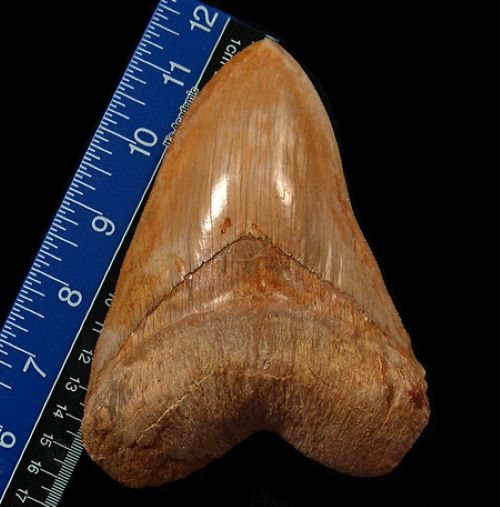
At first glance, a fossilized shark tooth might look like a weathered relic of ancient history—but its size carries weight. Quite literally. Some of the most prominent megalodon teeth ever discovered reach over 7 inches long, and these giants paint a much broader picture of the species than previously imagined.
These larger specimens are not simply trophies. They indicate the size of the shark to which they belonged, providing researchers with a helpful starting point for calculating the full-body dimensions. For example, a 6-inch tooth could suggest a shark over 50 feet long, gliding through warm coastal waters in search of prey the size of whales.
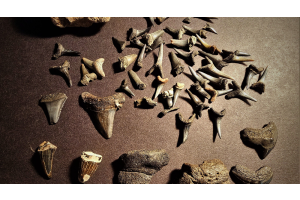
But not all megalodon teeth are monumental. In fact, fossil hunters frequently unearth teeth that are only 1–2 inches in length. While these are often assumed to belong to juvenile sharks, it’s also possible that they came from different regions of the mouth, where teeth tend to be naturally smaller. This diversity in size tells us one essential thing: there is no single “standard” when it comes to these fossils.
The Role of Geography and Ocean Conditions
Interestingly, not all megalodon teeth are found in the same size ranges, even within similar fossil beds. Why? A lot comes down to geography.
The regions where megalodon fossils are discovered—such as the Southeastern United States, Peru, or Morocco—once had varying water temperatures, prey availability, and ocean depths. These environmental differences could influence not only the size of the megalodon’s tooth living there, but also the rate at which their teeth developed or fossilized.
For instance, larger teeth are often found in areas that once supported abundant marine mammals, providing megalodons with ample food to grow large. In contrast, more modest-sized teeth may come from regions where food scarcity or other environmental factors limited their growth potential.
Collectors’ Curiosity: What Makes a Tooth Valuable?
For fossil collectors, size certainly matters—but so do condition, color, and symmetry.
Teeth that maintain sharp serrations, a complete root, and a well-preserved enamel surface are particularly prized. Color can also play a role, influenced by the minerals present in the sediment where the tooth was buried. For example, a blue or deep burgundy fossil can fetch more interest (and price) than a dull gray counterpart, even if both are the same size.
Larger teeth are naturally rarer, which is why a near-perfect 6.5-inch tooth can become the centerpiece of a collection. But smaller teeth, especially those in excellent condition, have their own charm and importance. They often serve as accessible entry points for new collectors and are valued for their historical significance as much as their aesthetic appeal.
Beyond Size: What the Teeth Say About the Species
Each tooth is more than a measuring stick—it’s a chapter in the megalodon’s story.
The serrated edges, for instance, suggest a diet of large, fleshy prey. The robust shape and thickness point toward a bite designed for both slicing and crushing. And the wide range of sizes found in a single fossil bed tells us that these sharks likely had a diverse population structure—juveniles and adults occupying different ecological roles, much like today’s sharks.
The frequency of tooth shedding is another critical factor. Like modern sharks, megalodons shed thousands of teeth throughout their lives, replacing them in rows. This natural process is the reason why so many megalodon teeth exist today in different shapes, conditions, and sizes.
A Size That Still Sparks Imagination
The mystery of these teeth doesn’t end with their measurements. They continue to influence pop culture, science, and our fascination with what once was. From documentaries to fictional thrillers, the megalodon’s reputation is largely kept alive due to the enduring impression left by its teeth.
One could say the megalodon’s legacy is quite literally carved in stone.
Why Size Range Shouldn’t Be Overlooked
When enthusiasts or researchers discuss these prehistoric sharks, it’s easy to focus on the most prominent teeth. But the smaller specimens tell equally essential stories—stories of growth, adaptation, and diversity. Each size range represents a distinct phase of life, different oceanic conditions, or a unique evolutionary milestone.
That’s why a comprehensive understanding of fossil findings relies not just on showcasing the most significant and most dramatic specimens but on appreciating the full spectrum of what’s been preserved.
What Can We Take Away from It All?
The appeal of megalodon teeth extends beyond surface-level fascination. These fossils offer real, tangible connections to a world that existed millions of years ago. Whether it’s a 7-inch giant or a 2-inch juvenile tooth, each fragment links us to a marine predator that once roamed beneath the waves with confidence and dominance.
And in studying megalodon tooth size, we learn more than figures. We learn about life cycles, geography, ocean history, and the ever-changing face of life on Earth.
Start Your Own Fossil Journey
If this topic has sparked your interest, why consider exploring the world of fossil collecting yourself? Each tooth is a piece of prehistoric history, and whether you’re a beginner or seasoned enthusiast, there’s always something new to discover.
Browse authentic collections, ask questions, and dive into the captivating stories these fossils tell.