

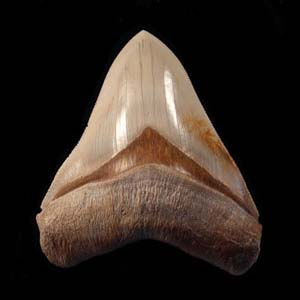
Megalodon teeth are some of the most sought-after marine fossils on the planet. Whether you’re a first-time buyer or a long-time collector, knowing how to verify authenticity is crucial. These teeth are millions of years old, and their market value varies greatly depending on size, condition, and source. While replicas and restored specimens have their place, they must be accurately represented. As we offer fossil specimens for sale, including high-quality megalodon teeth, one common question we hear is: Can you buy a megalodon tooth and trust it’s the real deal?
If you're investing in a fossil that represents one of the ocean’s most formidable predators, the last thing you want is to end up with something artificial or poorly restored. Let’s walk through what real megalodon teeth look like, how to verify their features, and what signs to watch for when evaluating authenticity.
Start with the Basics: What Makes a Megalodon Tooth Real?
Authentic megalodon teeth are fossilized remains, typically dating back over 3 to 20 million years. They are usually found in marine sediment layers, particularly in North America, South Carolina, Florida, and offshore fossil beds. Genuine teeth are mineralized, heavy, and display specific structural patterns that reflect natural preservation.
Here are a few key physical traits of an authentic specimen:
● Triangular shape with a broad root and pointed crown
● Serrated edges that resemble a saw blade (though some wear is expected)
● Natural coloration ranging from black and gray to brown and beige
● Weight and density due to mineralization from fossilization over millions of years
These traits are difficult to replicate exactly, which helps collectors assess authenticity. But the fossil market can be deceptive, and not all listings are transparent about restoration or fabrication.
Common Restoration Practices: What’s Acceptable and What’s Not
It’s not unusual for authentic teeth to be partially restored. Some fossil dealers apply minor repairs to enhance display quality, such as reattaching broken tips or filling in chips on the enamel. When this is done professionally and disclosed clearly, it's an accepted practice.
The concern arises when repairs are excessive or undisclosed. A fully reconstructed root or artificial enamel coating misrepresents the original fossil. These treatments can make a damaged or incomplete tooth look more valuable than it is.
Reputable sellers will always note:
● Whether a tooth is fully natural, partially restored, or reconstructed
● Which parts (tip, root, or enamel) have been altered
● Whether any adhesives, fillers, or polishing techniques were used
Before buying, review all descriptions carefully and request close-up photos when needed.
Surface Texture and Detail: What to Examine Up Close
To spot a fake or over-restored megalodon tooth, look closely at the surface texture. Real fossilized enamel has a natural, slightly pitted or grainy feel, especially when examined under good lighting. It shouldn’t be glossy unless it has been polished, which should always be disclosed.
Examine these areas closely:
● Enamel: Should have micro-pitting or weathering from natural exposure
● Bourlette (the dark band near the root): Should show natural variation and texture
● Serrations: While some may be worn or broken, their presence and shape should look consistent and not machine-cut
In many cases, asking “Can you buy a megalodon tooth that still has sharp serrations?” leads to the answer: yes, but they are less common and usually more valuable. Even worn serrations are normal on real fossils. Uniform, clean-cut edges are a red flag for fakes.
Color and Weight: Natural Variations Matter
One major misconception is that all megalodon teeth should look alike. In truth, their appearance varies widely depending on the environment where they fossilized.
Color: Ranges from jet black to rusty brown or even bluish-gray. Fossilized teeth pick up minerals from the surrounding sediment, which gives them their distinct coloring.
Weight: A real tooth is heavier than it appears. Fossilization replaces organic material with minerals, increasing the density. Lightweight or hollow teeth are strong indicators of fakes or cast replicas.
Tip: Hold the tooth in your hand. If it feels unusually light or warm (like resin or plastic), it's likely not a real fossil.
What About Replica Teeth? Are They Always Fake?
Replica megalodon teeth are commonly used for educational purposes or display. These are usually made from resin or composite materials using molds of real teeth. While they’re not authentic fossils, they have value in settings where the original item might be too costly or rare.
However, these should always be clearly labeled as replicas. Ethical sellers distinguish between:
● Authentic fossils
● Restored fossils
● Reproductions or cast replicas
Mislabeling a replica as genuine is misleading and, in many cases, deceptive. Always read product descriptions closely and confirm the source.
Ask for Provenance and Documentation When Available
The best fossil dealers will be transparent about a specimen’s origin, age, and condition. While not every tooth comes with a certificate of authenticity, some will be accompanied by documents showing where and when they were found.
Ask for:
● Geological context (e.g., found in the Hawthorn Formation, Florida)
● Estimated age range
● Dig or collection location
This background helps verify authenticity and ensures you understand what you’re purchasing.
Work with Reputable Sellers Who Prioritize Transparency
The fossil trade isn’t heavily regulated, so buyer caution is essential. Reputable sellers offer:
● Clear labeling of restoration
● Honest, detailed photos
● Accurate descriptions
● Willingness to answer questions about the condition or origin
Stay cautious of vague descriptions like “museum quality” or “best available” without supporting details. Focus on the actual physical characteristics and documented information.
Conclusion: Buy Smart and Know What You’re Getting
Megalodon teeth are captivating artifacts from a long-lost ocean predator, but not all teeth on the market are what they seem. Learning how to evaluate authenticity, from weight and texture to color and serration, ensures your investment holds its value and historical significance. If you've been wondering, can you buy a megalodon tooth that's both real and responsibly sourced? The answer is yes, as long as you follow the right steps.
At Buried Treasure Fossils, we specialize in offering authentic megalodon teeth with full transparency about condition and origin. Whether you're a seasoned collector or new to fossil buying, our listings provide the accuracy and detail you need to make informed choices.
Have questions or need help choosing a megalodon tooth? Contact us today for expert guidance and reliable support.






