

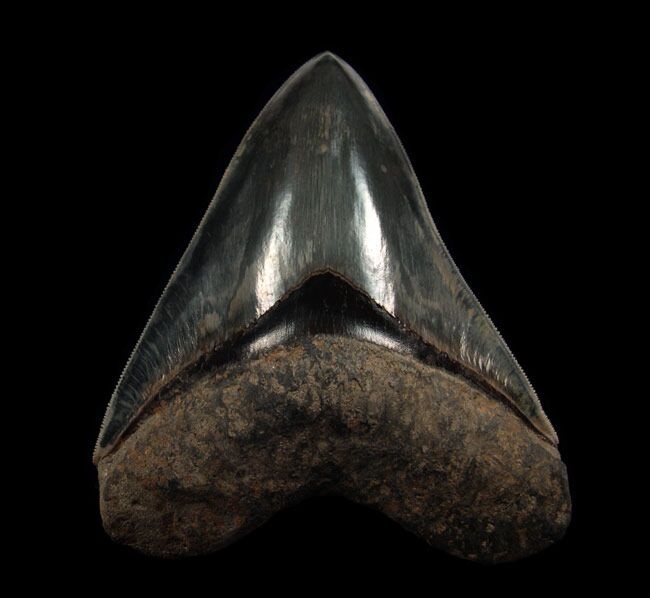
Megalodon teeth are among the most sought-after fossils in the world of paleontological collecting. Their sheer size, prehistoric origins, and dramatic visual appeal make them prized additions to both amateur and advanced collections. As we offer some of the most intriguing specimens available, it’s worth understanding the many factors that influence their value, beyond just size or color. Whether it’s a megalodon tooth found 10,000 years old or a specimen with exceptional enamel, every detail matters when assessing worth.
Size Is Just the Beginning
Size often takes center stage when discussing megalodon teeth, and for good reason. The largest teeth can exceed 7 inches in length, commanding higher prices and more attention. However, size alone doesn’t determine a tooth’s value. A larger tooth with heavy damage may not be as desirable as a smaller, well-preserved one.
Collectors typically measure a tooth along the longest diagonal, from the tip to the root. Measurements help standardize comparisons across specimens. Teeth over 6 inches are especially rare and tend to be more valuable, provided other conditions are favorable.
Condition and Preservation Matter Significantly
A well-preserved tooth is far more attractive to collectors than one with significant wear or damage. Factors that affect the condition include:
● Enamel Quality: The smoother and shinier the enamel, the higher the appeal. Chips, cracks, or erosion can lower the value.
● Root Integrity: A complete root adds to structural stability and visual balance. Missing or severely worn roots reduce value.
● Tip Sharpness: A sharp tip is a sign that the tooth avoided heavy abrasion after fossilization.
● No Restoration: Natural teeth are typically more valued than restored ones. Collectors often prefer authenticity, even if a tooth has minor flaws.
Some collectors might still appreciate restored teeth, but their resale value tends to be lower.
Coloration Adds Unique Appeal
Megalodon teeth come in a wide range of colors, shaped by the minerals present in the surrounding sediment during fossilization. Some of the most eye-catching specimens are those with rich black, grey, tan, or even bluish hues. A dark black tooth, for example, often carries a sleek, dramatic aesthetic.
According to many collectors, consistent coloration across the enamel and root adds visual harmony and increases appeal. However, certain color patterns like contrasting serrations or layered hues can also boost interest, especially when naturally occurring.
Location and Geological Context
Where a megalodon tooth was found can also impact its value. Coastal regions like South Carolina, Florida, and parts of Southeast Asia are known for yielding high-quality specimens. A megalodon tooth found 10,000 years old in such areas may hold greater historical or scientific interest, especially if accompanied by documentation or context about the dig site.
Land-based finds often show better preservation due to reduced exposure to water currents and abrasion. Conversely, river or ocean-sourced teeth may show more wear but can still be valuable depending on other attributes.
Rarity of Features
While size and condition are common benchmarks, rare characteristics also elevate a tooth’s worth:
● Pathological Features: Abnormal growths or deformations caused by trauma during the shark’s life are rare and highly desirable.
● Symmetry: Teeth with near-perfect symmetry are less common and often more visually pleasing.
● Position in the Jaw: Teeth from the front of the jaw (anterior teeth) tend to be larger and more symmetrical, thus more valuable.
● Serrations: Well-defined, sharp serrations along the edges add aesthetic and scientific interest.
These unique traits can make a specimen particularly attractive to niche collectors or institutions.
Authenticity and Provenance
Authenticity is non-negotiable. Fake or composite teeth, often crafted by attaching real roots to fabricated crowns or vice versa, devalue a collection. An experienced collector or fossil dealer should always be able to verify the legitimacy of a specimen.
Provenance, or the history of ownership and origin, can also enhance a tooth’s desirability. A specimen with detailed excavation notes or previous inclusion in a museum or published study may fetch a higher price.
Age and Historical Significance
While most megalodon teeth are millions of years old, occasional claims surface about specimens that date more recently in the fossil record. A megalodon tooth found to be 10,000 years old, if reliably verified, could be particularly noteworthy due to its implications for species survival or migration patterns.
However, collectors should exercise caution, as dating errors or unsupported claims can mislead buyers. Authentic documentation and scientific backing are key when evaluating the age of a tooth.
Market Trends and Collector Demand
The fossil market responds to trends, just like art or antiques. Increases in media exposure or scientific discovery can raise demand for specific types of megalodon teeth. Black enamel teeth or highly serrated anterior specimens, for instance, may experience spikes in popularity based on current interest.
That said, high-quality fossils tend to retain value over time, especially those that meet multiple criteria such as great condition, solid size, strong symmetry, and compelling visual presence.
What to Watch Out for When Buying
New collectors should pay attention to:
● Over-polished Teeth: Excessive polishing can hide flaws but also strip away original details.
● Composites: Verify that both the crown and root are part of the same original tooth.
● Vague Origin Descriptions: Ask for specifics about where and how the tooth was found.
A reputable dealer will always provide clear, accurate information about each fossil. Avoid listings with unclear photos, generic descriptions, or vague measurements.
Final Thoughts on Size and Rarity
The value of a megalodon tooth stems from a combination of science, aesthetics, and rarity. From size and symmetry to enamel quality and color, each attribute adds to a fossil’s significance. For those fascinated by prehistoric life, these teeth offer a tangible connection to a predator that once dominated the oceans.
Whether you're drawn to a megalodon tooth found 10,000 years old or a more typical specimen with striking coloration, every collector seeks fossils that tell a story. At Buried Treasure Fossils, we specialize in authentic megalodon teeth that meet these expectations, offering pieces selected for their quality and scientific integrity.
Explore our exclusive collection of authentic megalodon teeth and start your fossil journey today with confidence. Visit us to learn more.






