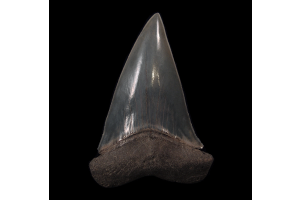
Page 13 - Megalodon
- - January 04, 2026
Some mysteries of the prehistoric ocean have an uncanny way of surfacing when you least expect them. A single fossil, often no bigger than your palm, can rewrite centuries of speculation. And when it comes to megalodons—the extinct giants of the deep—their teeth do more than make headlines. They stir wonder.
Recently, an extraordinary find has raised that wonder to an entirely new level. Tucked in a quiet corner of Chile’s Atacama Desert, paleontologists uncovered what may be the biggest megalodon tooth ever found. Though the news spread through the fossil community like a ripple, it quickly became a wave, sparking debates, awe, and endless fascination.
Now, what makes this particular tooth so special? Let’s take a deeper look at what has made this fossil the subject of such intense attention.
The Desert That Once Was a Sea
At first glance, the sun-bleached Atacama may seem like the last place to find evidence of marine life. But millions of years ago, this arid stretch of land was submerged
- - January 04, 2026
Shark fossils have always fascinated collectors, but there's something undeniably magnetic about one particular relic—the megalodon tooth. This ancient marvel stirs the imagination with every jagged edge, hinting at a predator so immense it makes modern sharks look dainty. And when that tooth is especially large? It becomes more than a fossil—it becomes a window into prehistoric oceans and a prized addition to any collection.
One might wonder what exactly qualifies as a big megalodon tooth. It’s not merely size—it’s the blend of history, condition, and scarcity that makes these fossils such an enduring treasure. These teeth don’t only serve as conversation pieces; they spark questions, theories, and admiration.
Let’s explore the significance, value, and excitement surrounding these fossilized wonders.
Why Megalodon Teeth Captivate Fossil Lovers
The megalodon shark ruled the oceans millions of years ago, growing to lengths of over 50 feet. It was the largest predatory shark ever known.
- - January 04, 2026
The study of prehistoric oceans often begins with the fossils that survive long after ancient giants disappear, and few specimens offer deeper ecological clues than the massive teeth of the Megalodon. Within the first moments of examining these fossils, researchers immediately see how specimens like a 7-inch megalodon tooth for sale help us reconstruct Miocene and Pliocene marine ecosystems. These extraordinary teeth, which we proudly offer through our collection at Buried Treasure Fossils, serve as scientific touchstones for understanding predator–prey interactions, ocean temperatures, migration routes, evolutionary pressures, and shifting biodiversity across millions of years.
A Window Into Ancient Apex Predation
When researchers examine a 7-inch megalodon tooth, they are not simply looking at a large fossil—they are holding evidence of one of Earth’s most powerful marine predators. Megalodon’s immense bite force and massive tooth structure indicate a feeding strategy shaped by large
- - January 04, 2026
Understanding the evolutionary strategies of apex marine predators requires examining the mechanical signatures they left behind, and few fossils provide more direct behavioral evidence than serrated shark teeth. Within the first layers of sedimentary preservation, specimens such as a big megalodon tooth allow us to assess not only tooth architecture but also edge wear, mineral replacement patterns, and micro-damage indicators often evaluated by scholars seeking to buy megalodon tooth specimens for research or collection. These physical traces make it possible to reconstruct predator-prey dynamics that shaped ancient marine ecosystems.
Microwear Analysis as a Tool for Behavioral Reconstruction
Microwear studies—microscopic evaluations of surface abrasion, edge rounding, and micro-chipping—offer a unique opportunity to quantify feeding behavior in extinct species. As we continue supporting researchers through our extensive fossil catalog at Buried Treasure Fossils, we consistently encounter
- - January 04, 2026
The ocean has always been a keeper of secrets—mysterious, vast, and brimming with remnants of ancient life. Among its most fascinating relics are the megalodon's fossilized teeth. This enormous prehistoric shark once ruled the seas. For those intrigued by the distant past and hungry for adventure, there’s something uniquely thrilling about discovering a piece of that history with your own hands.
Somewhere between wandering shorelines and exploring riverbeds, the journey to hunt a megalodon tooth becomes more than a simple search—it becomes a story. A story marked by patience, excitement, and the gentle crunch of gravel beneath your boots.
Let’s uncover the places where these ancient treasures are hiding and what makes the hunt so satisfying.
What Makes Megalodon Teeth So Desirable?
Megalodon teeth aren’t merely ancient bones buried in the earth—they’re sharp-edged symbols of survival from over 3 million years ago. Unlike bones, shark teeth are well-suited to fossilization due to their
- - January 04, 2026
The Caribbean, with its calm turquoise waters and inviting coastlines, hides more than just coral reefs and colorful marine life. For centuries, these tropical seas have whispered secrets of an ancient past—one that involved predators of unimaginable size. While vacationers float atop sunlit waters, few realize that the very sea beneath them was once ruled by a shark so massive that it makes today's great white seem delicate. Scientists and fossil enthusiasts alike are drawn to the intrigue of the extinct predator known as Carcharocles megalodon - Caribbean. This name sparks curiosity not only for the beast it describes but also for the waters it once roamed.
Let’s swim back in time and explore what makes this prehistoric marvel so captivating—and why its story continues to ripple through modern imagination.
A Glimpse at a Giant: Understanding the Megalodon
Long before humans charted these tropical seas, a creature measuring up to 60 feet cruised the oceans with unmatched grace and might.
- - January 04, 2026
Megalodon teeth are among the most sought-after fossils for collectors and enthusiasts alike. Their size, distinctive shape, and deep prehistoric significance make them an exciting discovery in the field. As enthusiasts of ancient marine relics, we offer helpful insights and tools for those ready to begin their own megalodon tooth-hunting adventure. With the right approach and knowledge, your first trip can lead to exciting finds. You might even uncover your first authentic megalodon tooth.
Understand What You’re Looking For
Before heading into the field, it’s crucial to know the basic characteristics of a megalodon tooth. These fossils can range from a few inches to over seven inches in length. The typical shape is triangular with fine serrated edges and a thick, strong root. While coloration can vary (from jet black to tan or grey), it often depends on the minerals in the surrounding sediment.
Don’t assume that every tooth-shaped object is a fossil. Megalodon teeth tend to have a heavier
- - January 04, 2026
Megalodon teeth hold a powerful fascination. Whether you're a seasoned fossil collector or just beginning your interest in ancient marine life, authenticity matters. With demand for these fossils growing, the number of replicas on the market has increased. That makes it more important than ever to distinguish authentic specimens from imitations. We offer guidance to help collectors make informed decisions, especially when considering how to tell if a megalodon tooth is real. From physical traits to seller credibility, here’s a practical, research-based guide to help you evaluate what’s real and what’s not.
Why Identification Matters
Megalodon teeth are not only visually impressive but also scientifically valuable. Genuine teeth provide insight into the prehistoric ecosystems where these apex predators once thrived. Misidentifying a fake as real can lead to financial loss or unintentional misinformation. Knowing how to spot the indicators of authenticity allows buyers to make confident,
- - January 04, 2026
Megalodon teeth are among the most sought-after marine fossils in the world. With demand rising, so has the number of imitations flooding the market. As fossil collectors, hobbyists, and marine history enthusiasts look for authentic specimens, knowing how to tell a real fossil from a replica is critical. We offer reliable guidance and access to verified fossils, and understanding what sets an actual megalodon tooth apart from a fake can help collectors make informed purchases. Once you know what to look for, an actual megalodon tooth reveals clear signs of authenticity.
Why Are Megalodon Teeth Replicated So Often?
Megalodon teeth, especially those over 6 inches, can fetch a high price. This makes them attractive targets for counterfeiters. Replicas are often made of resin, plastic, or cast stone, shaped and painted to resemble real fossils. These artificial copies might look convincing to the untrained eye, but they lack the unique geological and physical qualities of an authentic specimen.
- - January 04, 2026
Some relics from the past simply sit in museums, admired from a distance. But others are chased, collected, and talked about for generations. Fossilized teeth from an extinct sea predator fall into that latter category. They're not just rare—these teeth have a story to tell. Whether mounted behind glass or kept in a private collection, they serve as more than artifacts. They are fragments of the Earth's ancient past.
But what exactly makes a single Carcharocles megalodon tooth, buried for millions of years, so fascinating? The answer starts deep beneath the surface—literally and figuratively.
A Glimpse Into Prehistoric Depths
There was once a time when oceans weren’t places of quiet wonder. They were battlegrounds for survival. And at the top of this aquatic food chain was a predator so massive that even the largest great white shark today would seem like prey.
That predator was the Carcharocles megalodon, a name that sends a ripple of awe through marine historians and fossil collectors