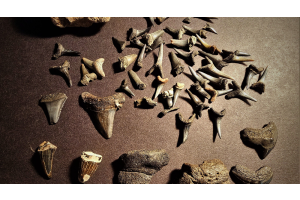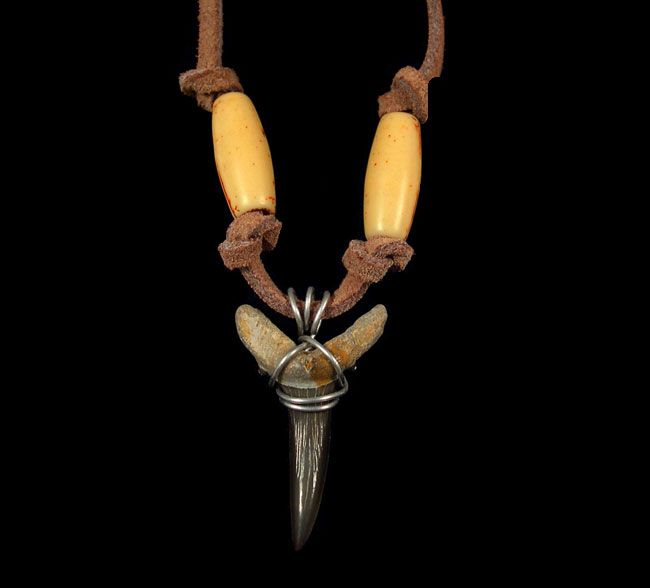
Understanding the deep-time record of ancient marine life requires geological precision, especially when examining iconic fossils such as a megalodon tooth in North Carolina. Within the first moments of studying these coastal deposits, researchers recognize how the Pungo River and Yorktown Formations preserve remarkably rich Miocene and Pliocene assemblages, allowing us to explore everything from sedimentary processes to the original habitat of giant sharks. At Buried Treasure Fossils, we work directly with specimens from these formations, including rare copper-red varieties associated with northern coastal localities, giving collectors and researchers access to authentic material supported by context and clarity.
Geological Setting: Why North Carolina Preserves Megalodon So Exceptionally
North Carolina offers one of the most scientifically valuable windows into the Neogene Atlantic coastal plain. Along ancient continental shelves and estuarine systems, conditions aligned perfectly to bury, mineralize, and conserve shark teeth ranging from small Carcharhinus species to massive megalodon tooth North Carolina specimens that reveal evolutionary trends and taphonomic pathways. As fossil suppliers who value both authenticity and educational insight, we rely on the stratigraphic reliability of these formations when sourcing specimens, ensuring that collectors and researchers can confidently study age, mineral composition, and depositional environment.
The Pungo River Formation: A Miocene Marine Powerhouse
The Miocene-aged Pungo River Formation is a classic unit for understanding the paleoecology of the western Atlantic during the height of megalodon dominance. Its stratigraphy consists of phosphatic sands, fine silts, and glauconitic layers, all indicative of a warm, nutrient-rich marine shelf. These sediments accumulated during a time of fluctuating sea levels, creating successive beds where biological material—especially shark remains—settled rapidly and mineralized.
Within these beds, we routinely encounter teeth representing Miocene apex predators, including Otodus megalodon and its close relatives. The phosphate-rich matrix not only supports excellent preservation but also contributes to the dark, glossy hues associated with many teeth originating from this unit. For geologists and fossil researchers, the Pungo River Formation remains essential for reconstructing trophic hierarchies and environmental conditions that allowed large predatory sharks to flourish across millions of years.
Copper-Red Megalodon Teeth: Rare Mineralization in Northern North Carolina
One of the most intriguing phenomena for both collectors and researchers is the formation of copper-red coloration found in some North Carolina teeth, especially those recovered along the Meherrin River region. These hues are not simply aesthetic anomalies; they are mineral signatures resulting from specific geochemical interactions between iron-bearing sediments, groundwater chemistry, and the prolonged burial environment. Because these depositional conditions occur only in limited northern sectors, the resulting teeth are extraordinarily rare.
We are fortunate to offer these copper-red teeth, which represent some of the scarcest megalodon specimens available. Their mineralogy provides a unique dataset for geochemical comparison, shedding light on how oxidation states and sediment composition influence fossil pigmentation. For academic researchers, these specimens help illustrate how local environmental variables shape fossil appearance, while collectors appreciate their rarity and visual appeal.
The Yorktown Formation: Pliocene Transgression and Megalodon’s Final Chapter
Moving upward in the stratigraphic record, the Yorktown Formation captures the Pliocene epoch when megalodon populations persisted until their decline near the end of the period. This marine unit is characterized by light-colored sands, shell beds, and calcareous sediments deposited during successive high-sea-level events. Unlike the darker, phosphatic Pungo River layers, Yorktown sediments often preserve fossils in lighter tones, offering contrast that reflects changing geochemical conditions and faunal turnover.
Teeth from the Yorktown Formation frequently belong to later generations of megalodon, preserving more refined serrations and broader crowns that align with the species’ last evolutionary stages. Because these sediments also contain abundant mollusks and marine mammal remains, they help reconstruct the ecological relationships that defined megalodon’s final appearance in the fossil record.
Sedimentology and Stratigraphy: How These Formations Lock in History
Understanding the sedimentology of these formations is central to interpreting megalodon paleoecology. The Pungo River Formation’s phosphatic, glauconitic sands indicate deeper-shelf conditions with high productivity levels—perfect for supporting large predatory sharks. In contrast, the Yorktown Formation’s calcareous, shell-rich sands point to a slightly shallower, warmer Pliocene sea.
Both units exhibit rapid burial events, periodic storm influence, and fluctuating marine transgressions. These conditions allowed teeth to avoid prolonged exposure, minimizing abrasion and enhancing preservation quality. This taphonomic consistency explains why many specimens we offer retain sharp serrations, intact roots, and well-mineralized enamel.
For researchers studying wear patterns, isotopic chemistry, or paleoenvironmental indicators, specimens from these formations offer high-value data points grounded in stratigraphic reliability.
Offshore Localities and Underwater Retrieval: Expanding the Dataset
In addition to riverine and coastal exposures, offshore sites near Wrightsville Beach yield exceptional megalodon teeth retrieved by divers at depths around 100 feet. These locations represent ancient submerged river channels, preserving yet another layer of Neogene history. Because these shelves remained undisturbed for millions of years, specimens originating from them often exhibit robust structure and excellent coloration.
We provide high-quality examples sourced from these offshore shelves, many of which exhibit nearly complete roots and sharp serrations typical of upper-jaw anterior teeth. For collectors, these are standout pieces; for scientists, they provide context for how shifting sea levels influenced fossil distribution across the Atlantic coastal plain.
Why These North Carolina Formations Matter to Science and Collecting
The Pungo River and Yorktown Formations together create an unparalleled narrative of megalodon evolution—from its Miocene dominance to its Pliocene disappearance. Their sediments preserve evidence of prey availability, water temperature shifts, ocean productivity patterns, and the ecological stresses that shaped the genus over millions of years.
As a team deeply invested in both scientific accuracy and fossil accessibility, we take pride in offering specimens backed by clear locality information and geological context. This helps ensure that collectors, educators, and researchers maintain the integrity of their work while engaging with authentic material representing true prehistoric history.
How We Support Researchers, Educators, and Collectors
Our mission extends beyond offering fossils—we focus on making the science behind each specimen understandable and engaging. Through clear documentation, careful sourcing, and an extensive catalog representing multiple geological formations, we help bridge the gap between academic research and private collecting. Whether someone is studying taphonomic processes, teaching paleontology, or developing a scientific collection, our specimens provide meaningful, well-preserved examples suitable for advanced study.
Conclusion: Preserving Megalodon History Through Science-Driven Collecting
Studying a megalodon tooth in North Carolina reveals a rich story shaped by the Pungo River and Yorktown Formations, where sediment composition, stratigraphic transitions, and unique mineralization processes combine to preserve some of the most scientifically valuable shark fossils on the East Coast. These formations help researchers unravel Miocene ecosystem dynamics, document evolutionary adaptations, and understand the environmental shifts that marked megalodon’s decline. If you’re ready to explore specimens backed by geological integrity and supported by our commitment to authenticity, we invite you to discover the exceptional fossils we offer and continue your research or collection with confidence.