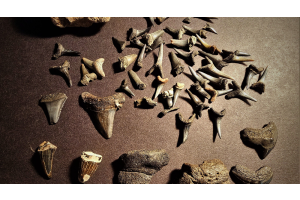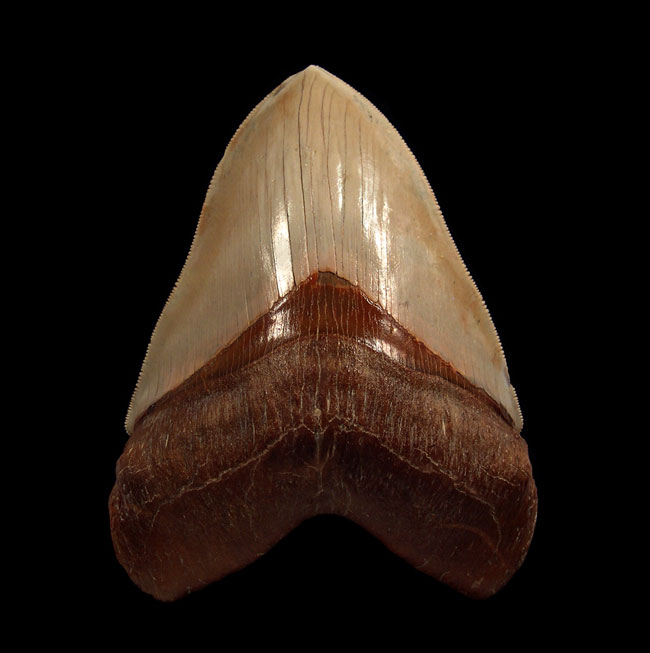
The story of the largest megalodon tooth ever found has captured the attention of fossil collectors, researchers, and everyday enthusiasts who are drawn to the mysteries of prehistoric oceans. We have rare fossils available for those who want to experience a piece of ancient history, and the discovery of the largest megalodon tooth ever found highlights just how extraordinary these remnants can be. When a fossil reaches this level of size, preservation, and scientific importance, it becomes more than a collector’s item. It turns into a window into the life of one of the most powerful predators that ever lived.
A Record-Breaking Discovery
The largest known megalodon tooth measures 7.48 inches, making it one of the biggest ever documented. This measurement is not an estimate. It is a confirmed size based on the crown height, which is the standard method researchers use when identifying and comparing these fossils. The tooth was found in Chile, a region well known for producing some of the highest-quality megalodon fossils. Fossil-bearing formations in this area preserve teeth in remarkable condition, which increases the scientific value of specimens like this one.
What makes this tooth especially impressive is its completeness. Many large teeth show signs of heavy erosion, mineral staining, or breakage, which is expected after millions of years in marine sediments. Surprisingly, this tooth retained its root structure, enamel detail, and overall shape far better than others of similar age and size. This level of preservation gives collectors and researchers a rare look at what a full-sized megalodon tooth originally looked like.
Why Size Is More Than a Statistic
To understand why this fossil is so important, it helps to understand what tooth size reveals. The size of a megalodon tooth is directly related to the size of the shark it came from. Based on established scientific models, a 7.48-inch tooth likely came from an individual that reached well over 60 feet. This places the shark at the extreme upper end of megalodon size estimates. While smaller teeth can appear in a variety of positions within the jaw, teeth this large almost always come from the upper anterior section, which contains the most prominent and functional teeth for biting into prey.
The rare size of this tooth also helps paleontologists refine their understanding of the species. While megalodon was already known for its massive frame and powerful jaws, finding a tooth of this magnitude confirms that some individuals reached sizes that push the limits of what we know about ancient sharks. The presence of such a large and well-preserved tooth demonstrates that megalodon was not only large but also diverse in size depending on habitat, diet, and environmental conditions.
What Makes This Tooth Structurally Unique
Beyond its size, the physical features of the tooth itself make it a standout specimen. When examining the structure, researchers look for several factors:
Crown Height and Width: The crown of this tooth is exceptionally tall, and its width suggests it occupied a prime location in the jaw. The crown shows sharp edges and well-defined enamel patterns that indicate a powerful slicing function.
Root Condition: The root is often the first part of a megalodon tooth to break or erode. In this specimen, however, the root remains unusually intact. This provides valuable information about the tooth’s formation and growth.
Enamel Quality: The enamel is smooth, with visible serrations along the edges. These serrations played a key role in the shark’s ability to tear through thick layers of flesh and bone.
Color and Preservation: Fossil coloration often reveals clues about the sediment and minerals surrounding it. This tooth displays rich natural colors, suggesting it fossilized under conditions that protected it from excessive wear.
Every one of these features contributes to the scientific value of the specimen. When combined with its record size, these traits explain why this tooth continues to be celebrated among experts.
What the Fossil Reveals About Megalodon Behavior
The largest megalodon tooth ever found also helps researchers better understand how this shark lived. Megalodon teeth show wear patterns that can reveal how aggressively an individual fed. Larger teeth with thick roots and strong enamel suggest frequent use in hunting large prey. Scientists believe that sharks capable of producing teeth of this magnitude were likely apex predators that targeted large marine mammals.
The fourth paragraph highlights that the largest megalodon tooth ever found supports existing theories about megalodon behavior. Larger individuals likely dominated key ocean regions, hunting whales, large fish, seals, and other sizable prey. Teeth of this scale were designed not only for capturing prey but for crushing bone and tearing through dense muscle. These behavioral clues make the fossil more than just a measurement. It becomes an important record of how megalodon interacted with its environment.
Why Collectors Seek Specimens of This Size
The fossil community views large megalodon teeth as some of the most desirable natural specimens you can own. While many collectors search for common sizes between four and five inches, anything near or above seven inches enters a category of rarity that few people will ever encounter in person.
Collectors often look for symmetry, enamel quality, serration sharpness, and root preservation when evaluating fossils. A tooth that meets all these criteria while also reaching a record size becomes a highly valuable and sought-after piece. These fossils are prized for their aesthetic appeal, scientific significance, and rarity. A tooth of this scale is considered an investment-grade specimen, and its value increases over time as fossil resources become harder to access.
What Makes This Tooth Scientifically Significant
Every fossil tells part of a larger story, and a record-breaking tooth like this helps expand our understanding of prehistoric life. The size of the tooth supports existing scientific models about maximum megalodon growth while raising questions about environmental conditions that allowed such giants to thrive.
The Miocene and Pliocene oceans supported abundant prey, warmer temperatures, and wide marine ecosystems that could sustain extremely large predators. This tooth acts as evidence of those conditions. It proves that megalodon thrived in environments capable of supporting massive carnivores, which helps researchers reconstruct ancient food chains and ecological structures.
A Fossil That Connects Past and Present
When you hold a fossil of this magnitude, you are connecting directly with a creature that lived over three million years ago. These teeth are not just remnants of the past. They are physical pieces of history that reveal how life evolved in ancient oceans. They also inspire curiosity, making people want to learn more about prehistoric life, fossil science, and natural history.
This is part of what makes record-breaking examples so special. They give people a way to interact with a world long gone while offering researchers a chance to refine scientific knowledge.
Conclusion
The largest megalodon tooth ever found remains one of the most impressive fossils ever documented. Its size, structure, preservation, and scientific importance make it a rare and meaningful discovery. It offers valuable insight into the true scale of megalodon and provides a deeper understanding of the oceans that existed millions of years ago. At Buried Treasure Fossils, we offer high-quality specimens that allow collectors to explore these ancient stories. A fossil like this reflects the extraordinary past of Earth’s oceans and continues to inspire anyone fascinated by prehistoric giants.
Have questions or ready to explore rare fossils for your collection? Contact us today to learn more about available specimens.