

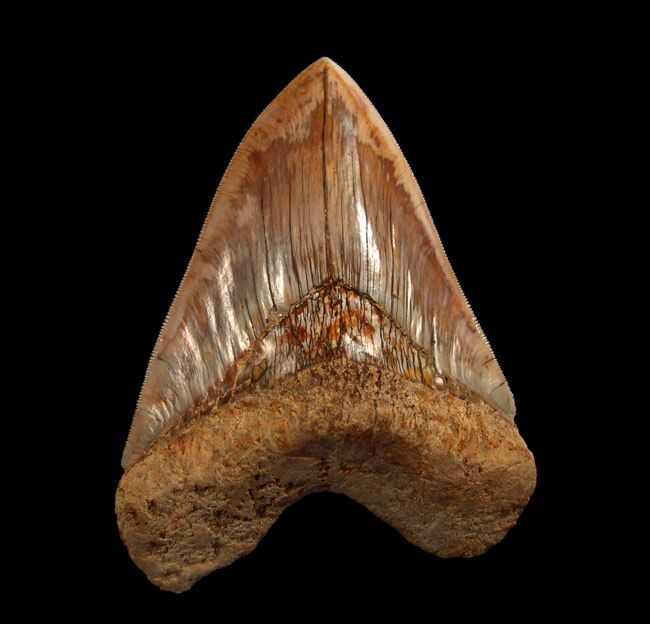
For fossil collectors, outdoor adventurers, and marine history fans, few experiences compare to the excitement of uncovering a massive prehistoric tooth. While the idea sounds simple, success requires more than just enthusiasm. Poor planning, legal oversights, and handling mistakes can quickly ruin a promising search. As we offer fossil specimens for hobbyists and collectors, it’s important to highlight what to avoid. Megalodon tooth hunting, when approached with the right knowledge and preparation, becomes far more rewarding and less frustrating, whether you’re searching coastal areas or riverbeds.
Choosing the Wrong Time to Hunt
Timing is critical when it comes to fossil hunting. Many beginners head out during peak daylight hours or calm weather, assuming those are the best times to find visible remains. However, fossil-rich areas are often best explored after storms, erosion events, or low tides, which expose deeper sediment layers. Rains can dislodge riverbed material, while coastal tides may uncover previously buried remains.
Seasonal changes also affect visibility and accessibility. In certain locations, cooler months may lower water levels and reduce vegetation, giving clearer access to fossil-bearing zones. Always monitor weather conditions and geological reports before planning a trip. This approach helps avoid wasted time in barren or heavily hunted areas.
Hunting in the Wrong Terrain
Not all environments are suitable for megalodon tooth hunting. Common mistakes include targeting the wrong types of terrain or looking in areas that simply do not contain the right sediment layers. Fossilized megalodon teeth are often found in coastal regions, rivers, streambeds, and limestone quarries. They are typically embedded in Miocene or Pliocene-aged formations, which are known for preserving marine fossils.
According to the reference blog, some of the best places include rivers like the Peace River in Florida, the Calvert Cliffs in Maryland, and the Cooper River in South Carolina. These sites are rich in fossil deposits due to natural erosion and historic marine sediment. Focus your search where ancient ocean floors once existed and where fossils are regularly found, not just where the scenery appears promising.
How to Handle and Store Your Finds Safely
One of the most frustrating mistakes for new fossil hunters is misidentifying what they have found. Rocks shaped like teeth or marine debris can easily be mistaken for actual specimens. Some people also overlook smaller or partially broken teeth without realizing their significance. A genuine megalodon tooth often has a triangular shape, serrated edges, and a defined root. The enamel is usually glossy and may range from gray to black or brown depending on mineral content.
Take time to study images of confirmed teeth, such as those featured on the reference site. Knowing what to look for before entering the field will prepare you to distinguish fossils from ordinary rocks. If unsure, carry a small guide or reference photos for comparison during your search.
Ignoring Local Fossil Hunting Regulations
Regulations are one of the most overlooked parts of megalodon tooth hunting. Many regions have strict laws regarding fossil collection, especially on public land, state parks, and marine reserves. Some areas require permits, while others restrict excavation or the use of tools. Failing to research and follow local guidelines can lead to fines or confiscation of your finds.
When exploring areas like river systems or coastal cliffs, it is essential to understand what is allowed. For example, some locations mentioned in the source blog require fossil permits for river hunting. Collectors must also respect private property boundaries and avoid digging without permission. The best approach is to check official state or county websites or consult local fossil groups for updated rules.
Overlooking Safety Precautions
Safety should always be a priority during any fossil hunt. Common hazards include slippery rocks, deep water, strong currents, unstable cliffs, and encounters with wildlife. Without the right gear, such as water shoes, gloves, or sifters, even a simple outing can become risky.
Wear appropriate clothing and bring tools suited to the terrain you are exploring. For river sites, a floating screen, shovel, and mesh bag are helpful. In coastal areas, a small trowel and brush may be enough. Also carry drinking water, a GPS device or phone, and make sure someone knows your location. Megalodon tooth hunting is most rewarding when done safely and responsibly.
Being Unprepared for the Physical Demands
Many new hunters underestimate the physical effort required. Whether you are wading through rivers, digging in dry creek beds, or sifting through heavy material, fossil hunting can be demanding. It is not unusual to spend hours walking, bending, or digging without finding anything.
To avoid fatigue or injury, pace yourself and take breaks. Bring a backpack with essentials such as sunscreen, snacks, and first-aid supplies to stay comfortable in remote areas. Preparing mentally and physically helps you remain focused when scanning for subtle fossil shapes.
Failing to Preserve the Tooth Properly
Discovering a tooth is only the beginning. Poor handling can damage a fossil, especially if it is fragile or partially embedded. Teeth may have sharp edges or cracks that need gentle treatment. Right after recovery, rinse the specimen with fresh water and avoid harsh brushes or chemicals.
Transport it in a padded container or wrap it in cloth. Once home, let it dry completely in a shaded area. If additional cleaning is needed, use mild tools and avoid sealants unless you fully understand preservation methods. A dry, clear display case with UV protection is ideal for long-term care.
Expecting Instant Results
Another common issue is expecting immediate success. Many new hunters believe they will find large, intact teeth right away. While rare discoveries happen, most fossil hunts require patience and repetition. The reference blog notes that experienced hunters visit high-yield areas repeatedly and still spend long hours before finding impressive specimens.
Treat each outing as a learning experience. Over time, you will become better at spotting fossil-bearing ground, noticing patterns, and adjusting your techniques. Keeping notes on each hunt, such as time, location, weather, and method, can help you improve results.
Ignoring Fossil Context
When a megalodon tooth is found, many people focus only on the object and overlook the importance of its surrounding context. Notes about where it was discovered, how deep it was buried, and the type of sediment can provide valuable scientific insight. While you do not need to document it like a researcher, recording simple details like GPS location, sediment type, and any associated fossils adds meaning to your discovery.
This practice also helps distinguish genuine field finds from purchased specimens, especially if you choose to display, sell, or donate your fossil. Keeping basic field notes strengthens your collection and supports a broader understanding of prehistoric marine ecosystems.
Conclusion
Megalodon tooth hunting offers an exciting blend of adventure and discovery, but successful hunts depend on preparation, awareness, and responsible practices. Avoiding mistakes such as poor timing, misidentification, and ignoring regulations will help make each outing more productive and enjoyable. Every trip builds your skill set and deepens your appreciation for ancient marine life. For those interested in comparing or expanding their collection, Buried Treasure Fossils provides reliable and authentic specimens that bring the prehistoric world closer with every find.
Have questions or need help finding the right fossil? Contact us today for expert guidance and personalized support.






