Megalodon teeth are captivating pieces of the past, rich with history and prehistoric allure. Their sheer size, serrated edges, and fossilized beauty make them highly sought after among collectors and enthusiasts alike. But with popularity comes imitation. Sooner or later, every collector asks the same question: how to tell if a megalodon tooth is real?
Let’s explore some simple and effective ways to determine the authenticity of this fossil treasure.
Real Fossils Wear Time Like a Badge
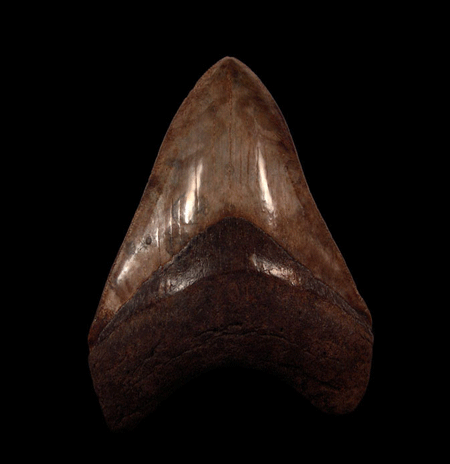
Start with the surface. Authentic megalodon teeth have a matte, mineral-infused texture that forms slowly over millions of years. They don't sparkle. Instead, their surface is subtly rough, with muted colors such as slate gray, tan, brown, or black. This coloring results from the minerals in the soil or sediment where the tooth was buried.
Fakes, predominantly resin casts, often lack this variation. They're too smooth, too shiny, or display an unnatural polish. When you hold one in your hand, you may notice it looks more like a prop than a fossil.
Real Teeth Feel Heavier Than They Look
Genuine megalodon teeth are fossilized, meaning the organic material has been replaced with stone-like minerals. This process yields a dense, surprisingly heavy object. If you pick up a megalodon tooth and it feels too light for its size, that could be a clue it’s synthetic.
Many replicas are made of resin or composite materials that lack this density. Even though they may appear large, their weight reveals their true origin. Always compare the weight to another tooth of similar size, if possible.
Let the Serrations Guide You
One of the defining features of megalodon teeth is their serrated edges—tiny ridges that allowed the prehistoric shark to shear through flesh. Authentic fossils retain these features, though they may be worn or dulled by age and sediment.
Fake versions sometimes include poorly defined serrations or lack them entirely. In some replicas, serrations may appear to have been carved with a tool or stamped rather than formed naturally. This is one of the most crucial details to examine when determining whether a megalodon tooth is genuine.
Examine the Root for Clues
While most people focus on the shiny enamel of the tooth, the root can be equally telling. Real roots are porous, weathered, and often irregular in texture. They’re the part most exposed to surrounding elements, so they reflect the passage of time more visibly.
Look for inconsistencies. A smooth, overly polished root is usually a sign that it has been altered or is not genuine. Fake roots might also have air bubbles, visible seams, or painted finishes to mimic the real thing.
Repairs Aren’t Always Fake, But They Matter
Even authentic megalodon teeth may be repaired or restored. This means that part of the tooth broke off and has been reconstructed using resin or another filler material. While this doesn’t necessarily mean the entire tooth is fake, it’s essential to know where the repairs are and how extensive they are.
Check for differences in color or texture between sections of the tooth. You can often see a faint line or a shift in reflection between the real enamel and added material. Shine a flashlight across the surface—it can reveal patches that have been filled in.
Use Magnification for Micro Details
A closer look can reveal a world of information. Using a magnifying glass or jeweler’s loupe, study the surface of the enamel. Real teeth show microscopic patterns, pores, and lines—subtle but natural signs of fossilization.
Replicas, especially those made from resin, often exhibit bubbles, casting lines, or repeating patterns that indicate they were produced from a mold. You might even spot glitter-like specks in synthetic materials that would never appear in authentic fossils.
Consider the Tooth’s Color Story
Color can reveal more than beauty. Over time, minerals seep into fossilized remains and stain them. Authentic megalodon teeth rarely come in bright or vibrant hues. Instead, their coloring is natural and slightly muted, reflecting the mineral content of the burial environment.
Fakes tend to be artificially darkened or given high gloss finishes to appear aged. If the coloring seems overly dramatic or feels applied unevenly, it’s worth taking a closer look.
Ask About Provenance
Knowing the origin of a tooth is incredibly helpful. Genuine fossils often come with location information—Florida rivers, South Carolina beaches, or Moroccan fossil beds are known megalodon sites. If a seller can't tell you where the tooth came from, that’s a red flag.
Provenance doesn't guarantee authenticity, but it gives you a starting point. Ask questions. Reputable sellers won’t hesitate to explain how and where the fossil was recovered, and whether any repairs were made.
Feel Free to Compare
Side-by-side comparisons can sharpen your instincts. Visit a museum or fossil show to examine verified megalodon teeth. Observe the texture, shape, and overall feel of the material. Once you handle a few genuine specimens, the fakes become easier to spot.
If you have a tooth you're unsure about, consider comparing it with online listings from trusted fossil outlets. Many sellers include high-resolution photos showing detailed close-ups of the root, serrations, and enamel. These can be excellent visual references.
Let Sound and Temperature Help
It might sound odd, but your ears can help too. Tap a real fossil gently on a solid surface or against another rock. The sound is deep and sharp—almost like clinking pottery. Fakes, particularly resin replicas, sound dull or plasticky.
Likewise, real fossils tend to feel cooler to the touch than synthetic ones. It's a subtle difference, but another clue when you’re unsure.
When in Doubt, Ask an Expert
If you’re still uncertain, consult a fossil expert or experienced collector. They can often identify authenticity with a quick glance at photos or, even better, a physical inspection. Don't hesitate to reach out—most enthusiasts are happy to help, especially when it means preserving the integrity of fossils.
Remember, being curious about the origins of your fossil is part of the journey. Even seasoned collectors continue to learn with every tooth they examine.
Why Authenticity Matters
Beyond value, knowing a megalodon tooth really connects you to history. You’re holding something that once sat in the jaw of a shark longer than a school bus—an apex predator that ruled the oceans millions of years ago.
A fake, no matter how detailed, can’t replace the quiet awe that comes from knowing you’re touching a piece of Earth's ancient story. That’s why learning how to identify the real thing is worthwhile.
Final Word on Fossil Confidence
Now that you’ve learned the signs to look for—the weight, texture, serrations, and story—identifying a genuine megalodon tooth becomes less of a mystery. Whether you’re holding a family heirloom or browsing at a fossil show, this guide equips you with the right tools.
And if you’re still wondering how to tell if a megalodon tooth is real, remember that practice builds confidence. Trust your senses, your instincts, and most importantly, your curiosity.
Ready to Begin or Grow Your Collection?
Whether you’re buying your first fossil or double-checking one you already own, authenticity adds value, pride, and a touch of prehistoric wonder. For high-quality, authentic megalodon teeth, expert guidance, and collector-worthy fossils, explore trusted fossil collections curated by enthusiasts who care as much as you do.