A quiet desert in Chile holds more than dry dust and buried bones. It carries whispers from a time when giants ruled the oceans. In a world before cities and satellites, the megalodon swam freely, its shadow casting fear across the seas. Measuring up to 60 feet, this shark was the definition of dominance in the deep. And now, what was once a living legend has been brought to light in the form of an extraordinary fossil—the largest megalodon tooth ever found.
This stunning find didn’t appear on a beach or tumble from a cliff. It was dug up with care and patience, revealing a tooth that tells more than just a tale of size. It offers a glimpse into an ancient era, one that still fascinates us today.
Let’s explore how one tooth, bigger than most adult hands, reshaped what we know about prehistoric oceans.
A Glimpse Into Prehistoric Waters
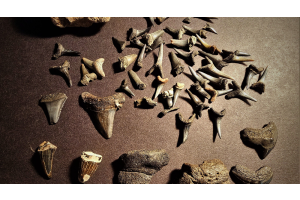
Before we had records, we had relics. Fossils act like bookmarks from Earth's vast timeline. Among them, shark teeth are some of the most commonly found—tough, mineral-rich, and often well-preserved. But the megalodon’s teeth aren’t simply fossils. They are marine monuments.
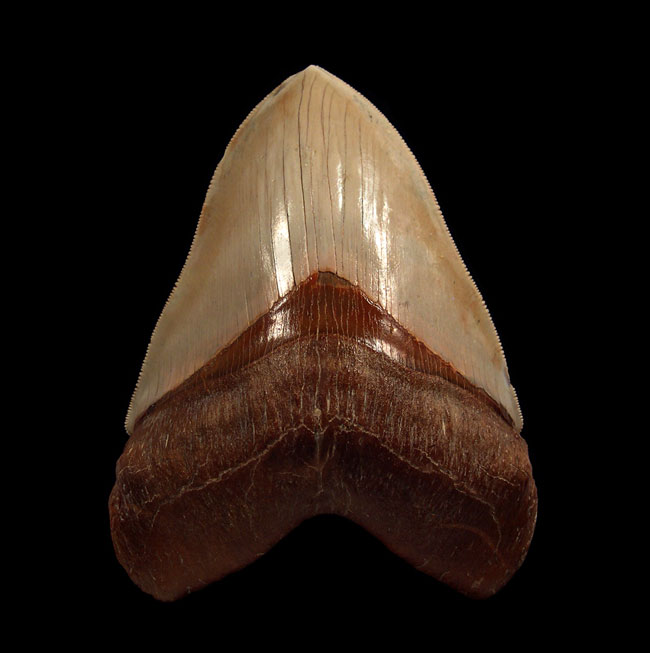
Tooth fossils of the megalodon are generally known for their triangular shape, fine serrations, and intimidating size. However, the fossil found in Chile wasn’t simply large—it was historic. Measuring over 7 inches in length, it was unlike any previously discovered. This wasn’t the kind of discovery that slipped quietly into storage. It demanded attention and sparked fresh excitement in paleontological circles.
What makes this discovery even more compelling is its rarity. Teeth of this size are rarely found intact. Many have erosion, chips, or weathering that mask their full dimensions. But this one? It seemed to have been waiting, undisturbed, to be found.
Chile’s Unexpected Role in Marine History
Most people don’t immediately think of South America when they think of ancient shark fossils. Places like Florida, South Carolina, or Morocco often get the spotlight. Yet, Chile's desert regions—once submerged beneath ancient seas—have become increasingly important.
This particular fossil emerged from the Atacama Desert. It’s one of the driest regions on Earth, but long ago, it was teeming with marine life. As tectonic plates shifted and coastlines changed, once-submerged ocean beds were thrust into the open air. What remained were the preserved remains of creatures lost to time.
It’s within this quiet stretch of desert that researchers unearthed the megalodon tooth, proving that the region still holds unspoken chapters of prehistoric life. Such discoveries challenge our assumptions and invite scientists to look in less-obvious places for new finds.
What This Tooth Tells Us About Megalodon Behavior
Fossils don’t speak, but they carry information. The shape, density, and wear on a megalodon’s tooth can offer clues about its diet and hunting behavior. A larger tooth suggests a mature shark—possibly among the oldest and most dominant of its kind.
Given the size of the largest megalodon tooth ever found, researchers estimate that the shark it belonged to could have exceeded 60 feet in length. That’s longer than a city bus, and significantly larger than the average adult megalodon, which was already massive.
Teeth like these also reveal feeding patterns. Some show signs of wear that suggest the shark targeted whales or large marine mammals. Others, with finer serrations, may target softer prey. Each fossil is a fragment of behavior—quietly telling the story of a predator that ruled unchallenged for millions of years.
Measuring Size Without Measuring the Shark
One of the remarkable things about studying extinct sharks is that we often work with fragments—teeth, mostly. Unlike bones, shark skeletons are made of cartilage, which doesn’t preserve well. So how do scientists estimate the size of a creature from a single tooth?
Using comparative studies and mathematical models, paleontologists scale known body-to-tooth ratios to estimate the total length. In the case of this historic tooth, researchers believe the original shark could have approached the upper limit of megalodon size projections. It may have even flirted with the realm of 70 feet.
The level of preservation helps in this process. Sharp serrations and clear edges enable more precise measurements. This one tooth brought clarity and fuelled new theories about the actual size range megalodons may have reached in their prime.
A Fossil That Changes the Conversation
Scientific breakthroughs don’t always come dramatically. Sometimes, they arrive in quiet packages—a rock, a bone, or, in this case, a fossil tooth. The discovery in Chile didn’t just excite fossil hunters. It reignited global interest in megalodon research.
The fossil's condition gave scientists a rare opportunity to study the structural evolution of shark teeth. It also opened the door to new discussions about how megalodons adapted and evolved over time. Could larger sharks have been more common than we thought? Were these outliers, or part of a pattern?
Such questions are what keep the fossil world alive with curiosity. With every new find, the image of these ancient creatures becomes clearer.
Why Fossils Like This Still Matter
We live in an age of artificial intelligence and deep-space telescopes, yet there is something intensely captivating about holding a piece of Earth’s living history. Fossils like this one connect us to a world that predates our species. They are reminders that life existed, thrived, and ended long before us—and will continue long after.
For collectors, researchers, or those simply fascinated by the ancient world, finding and preserving fossils isn’t about decoration. It’s about storytelling. And there is no better storyteller than nature itself.
Continuing the Journey of Discovery
From dusty cliffs to museum shelves, the journey of a fossil is long and often filled with surprises. The discovery of the largest megalodon tooth ever found proves that there are still marvels waiting to be uncovered.
It also reminds us that history isn’t finished being written. Whether you’re a collector, a student, or a curious explorer of the deep past, these finds offer a glimpse into a time when giants ruled the sea.
This rare fossil isn't just a discovery—it's a conversation starter, a centerpiece, and a moment frozen in time.
Ready to Explore Your Own Piece of History?
If you're drawn to the ancient, intrigued by what hides beneath layers of time, or looking to add a meaningful fossil to your collection, now is the time to start. Each tooth, bone, or relic tells a story—and yours might be next to be found.
Explore available collections today and bring home a piece of ancient wonder.