

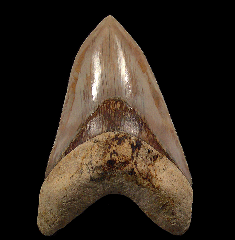
The megalodon—an extinct apex predator that once dominated the oceans—has captured the imaginations of people for centuries. Known for its staggering size and dominance beneath the waves, this prehistoric shark continues to fascinate fossil hunters, researchers, and curious collectors alike. But not all megalodon teeth are large. Some are surprisingly small and delicate, which leads many to wonder: could that tiny fossil in your palm be something truly special?
Among the rarest finds in the world of fossilized shark teeth is the baby megalodon tooth. While the adult versions can span more than 6 inches in length, these miniature counterparts tell a different story—a quiet, ancient whisper from a time when these marine giants were only beginning their journeys.
Let’s explore the subtle mysteries and rich history behind these rare relics and how you might come across one yourself.
The Allure of Smaller Fossils
When you picture a megalodon, your mind likely conjures up images of something enormous—jaws that could engulf a small car and teeth that dwarf a human hand. Yet, for collectors, it’s often the smaller pieces that spark the most intrigue. A baby megalodon tooth carries more than novelty—it holds the fragile beginnings of one of the sea’s most fearsome creatures.
Finding such a tooth means uncovering not only a fossil, but also a story. Was this tooth shed in a shallow nursery habitat? Did it belong to a newly hatched shark still learning the rhythm of ocean currents? These questions breathe life into what might otherwise seem like a small stone.
Where Do These Teeth Come From?
Most baby megalodon teeth are discovered in ancient marine deposits, often in inland areas where oceans once extended. The Atlantic Coastal Plain, particularly in the southeastern United States, is renowned for its rich fossil-bearing sediments. Rivers and phosphate pits regularly reveal layers that date back to the Miocene and Pliocene epochs, when the megalodon thrived.
These places weren’t always open to the dangers of the sea. Many were warm, calm, and shallow—ideal nursery grounds for young sharks. A tooth found here may not be large or dramatic, but its location adds context. It suggests that this young predator once swam under the watchful presence of larger kin, in waters teeming with early life.
What Makes These Teeth So Rare?
While larger teeth are commonly unearthed and sold, the truly tiny ones—especially those with intact serrations and roots—are harder to find. Many have been eroded by time, broken in transport, or scattered by sediment shifts. A well-preserved baby megalodon tooth is a treasure not because it is flashy, but because it has survived millions of years in such a fragile state.
Most sharks, including the megalodon, continually shed their teeth throughout their lives. However, younger sharks tend to lose smaller teeth more frequently, particularly in environments where fossils don't always form. That makes intact specimens an exception, not the rule.
How to Know if You’ve Found One
Spotting a baby megalodon tooth isn’t always straightforward. At first glance, it might resemble teeth from other smaller prehistoric sharks. Size alone isn’t the only clue; collectors examine the serrations, the symmetry of the blade, the shape of the root, and the thickness of the enamel.
An actual baby megalodon tooth will resemble its adult version, only on a miniature scale. The blade should be broad, the root robust, and the serrations well-defined—even if faint due to age. It takes a practiced eye and often a bit of luck to recognize one.
Why Do People Collect Them?
To some, it’s about owning a piece of history. To others, it’s the thrill of the hunt. But baby megalodon teeth have their own quiet appeal—an elegance in their simplicity. They’re often more affordable than their giant counterparts, making them accessible to new collectors.
They also inspire imagination. Holding such a fossil feels different. It doesn't speak of dominance or power—it speaks of potential. Of beginnings. Of a life once lived in an ocean long vanished.
How to Store and Display One
Due to their smaller size and delicate structure, baby megalodon teeth require gentle handling and care. Avoid dropping them, and store them in a soft-lined display case or fossil container. Keep them away from direct sunlight or overly humid environments, which can affect coloration or lead to cracking.
For collectors, part of the experience is presentation. Whether in a frame or a glass case, the goal is to honor the tooth’s journey—from seabed to sediment to your hand.
Are These Fossils Ethical to Collect?
Yes—when sourced responsibly. Reputable sellers ensure that fossils are legally obtained and collected without disturbing ecosystems or protected areas. Many baby megalodon teeth come from regions where fossil hunting is permitted and regulated.
Supporting ethical fossil trade helps preserve the scientific and educational value of these relics, while also allowing enthusiasts to enjoy the wonder of ancient finds.
Why This Fossil Matters
In a world of bold displays and oversized specimens, something is refreshing about the modest presence of a baby megalodon tooth. It reminds us that every giant began as something small. That even the fiercest predator was once vulnerable.
For collectors, it’s a chance to connect with an ancient past that’s both grand and intimate. For enthusiasts, it’s a moment to reflect on evolution, resilience, and the pursuit of survival.
Ready to Add One to Your Collection?
Whether you're a lifelong collector or a curious beginner, exploring the realm of fossilized shark teeth can be an enriching experience. A baby megalodon tooth is more than a fossil—it’s a portal to the ancient sea, an artifact that tells a silent story of what came before.
If you're looking to bring a rare piece of prehistory into your home, start your journey with trusted sources that offer authentic, ethically collected fossils. Dive into a collection that honors both nature and time—with pieces that hold not only scientific value but emotional resonance.






