

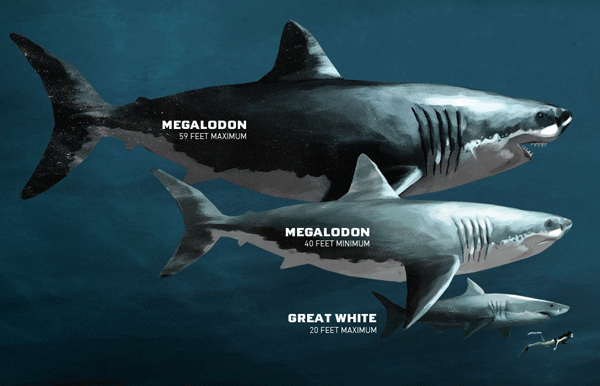
Sharks have long fascinated scientists, divers, and collectors alike. With their sleek bodies and mysterious ways, they remain one of the most captivating marine creatures. But while modern sharks are impressive in their own right, nothing quite compares to the giants of the past—particularly the legendary megalodon. Somewhere along the timeline, it becomes difficult to ignore the eerie similarities between its teeth and those of the modern great white shark.
Hidden within these fossilized remains lies a fascinating story of survival, extinction, and evolution. Among collectors, comparing a megalodon great white shark tooth to other species offers an intriguing glimpse into the evolutionary past of these awe-inspiring predators.
Now, let's take a deeper dive into how these ancient and modern teeth compare—and why they continue to attract curiosity today.
What Makes Megalodon Teeth So Unique?
Megalodon teeth are colossal, often as long as a human hand. Some specimens have reached over seven inches in length, dwarfing nearly all other shark teeth. These massive triangular fossils were designed for slicing through whales, dolphins, and other marine mammals. Their serrated edges hint at the shark's role as a dominant predator millions of years ago.
Collectors value these teeth for more than their size. Each tooth serves as a natural time capsule, holding clues about a creature that disappeared around 3.6 million years ago. Their glossy enamel and rich coloration, often tinted by minerals absorbed during fossilization, add to their beauty and rarity.
The Great White’s Signature Tooth Structure
Unlike the megalodon, the great white shark is still very much alive—and still feared in oceans around the world. Though their teeth are significantly smaller, they share a similar triangular shape and serrated edge. However, great white teeth rarely exceed three inches, with a thinner and more refined look overall.
Their teeth grow in rows, continuously replaced throughout the shark’s life. This gives fossil hunters a chance to find loose teeth along ocean floors or near coastal fossil beds. While modern, these teeth offer a fascinating study in how evolution fine-tunes a predator over time.
Key Differences Between These Ancient and Modern Predators
At first glance, the similarities between these two types of teeth can be confusing. However, their differences become apparent with a closer examination.
Megalodon teeth are broader and thicker, with deep roots and a noticeably heavier structure. These teeth were built for taking down massive prey—creatures many times the size of the shark’s head. The thick enamel and robust roots helped withstand immense force.
In contrast, great white shark teeth, while sharp and effective, are lighter and more specialized for gripping and tearing rather than crushing. Their agility and design match the fish and seals that make up their diet today.
How Collectors Identify Each Tooth
For fossil collectors, telling the difference between a megalodon tooth and a great white tooth is a bit like solving a prehistoric puzzle. Shape, size, root structure, and enamel texture all play a role in identification.
Megalodon teeth often have a wider crown and thicker root, while great white teeth feature a more narrow symmetry and smaller roots. Even the color can be a clue—fossilization affects mineral absorption, leading to rich hues that can help estimate the age and location of origin.
If you're examining a tooth in your collection or discovering one on a beach, look for these signs. A heavier, more imposing structure could hint at something far older than you’d expect.
Why These Fossils Matter to Science and Collectors
Beyond their aesthetic appeal, these teeth are invaluable to science. They offer information on shark evolution, marine environments from the distant past, and even changes in Earth’s climate.
For collectors, however, the thrill often lies in the story each tooth tells. Whether it’s a chipped edge from an ancient hunt or a flawless specimen preserved through time, each tooth feels like a direct connection to a different world.
It’s rare to find an object that can make you pause and consider millions of years of history in the palm of your hand—but these fossils do precisely that.
The Allure of the Hunt
The quest for these teeth has become a hobby for many. Fossil hunting along riverbeds, beaches, and fossil mines remains a cherished pastime. The idea of uncovering something millions of years old fuels both excitement and curiosity.
It’s not uncommon for collectors to specialize in one type of tooth. Some may favor the clean angles and scientific relevance of the great white, while others seek the dramatic, almost mythological presence of the megalodon tooth.
Preservation and Display Tips
If you’re lucky enough to own one of these rare fossils, proper care helps preserve both its value and appearance. Store them in a dry, padded display case away from direct sunlight. Avoid cleaning them with harsh chemicals; a soft brush and gentle water rinse will suffice.
Whether displayed as part of a larger fossil collection or as a striking centerpiece, these teeth deserve care equal to their historical significance.
What These Teeth Reveal About Our Oceans
The comparison between these two shark species doesn't end with their teeth. It also reveals how ocean life adapts and evolves over millions of years.
From the massive, slow-moving megalodon to the agile, swift great white, nature has a way of adjusting its creatures for the world they live in. The megalodon may have disappeared, but its legacy remains locked in the fossil record, ready to be studied, admired, and collected.
For anyone holding a megalodon great white shark tooth, that sense of time and transformation becomes incredibly tangible.
Could One of These Fossils Be Yours?
Whether you're a lifelong collector or simply fascinated by Earth's ancient past, these fossils offer something rare—a direct link to creatures that once ruled the seas. Holding one, even briefly, invites a sense of wonder few other objects can deliver.
From tooth structure to mineral color, each detail adds to a richer understanding of marine history. It's more than collecting—it’s connecting with something lost but not forgotten.
Looking to start or grow your collection? Explore real, authentic specimens and discover which fossil speaks to you. Your prehistoric adventure could begin with the next tooth you find.






