Page 12 - Monthly Archives: October 2025
- - October 08, 2025
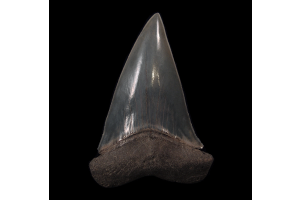
Megalodon teeth carry more than a prehistoric mystery. They hold the power to attract collectors and enthusiasts who seek something rare and authentic. When sellers promote a fossil as the youngest Megalodon tooth found, they invite attention. That phrase can influence price, desirability, and even trust. But what does youngest really mean in this context? Collectors need to look beyond the surface. They should explore the fossil’s origin, the sediment surrounding it, and the science behind its dating to understand what makes that label valid or misleading.
Define What ‘Youngest’ Really Means in Paleontology
In paleontology, the youngest refers to the final chapter in a species' timeline. It does not mean juvenile, and it does not suggest a modern fossil. The Megalodon species went extinct about 2.6 million years ago. If a collector wants to confirm that a specimen came from that period, they must examine its geological surroundings. Authentic dating requires more than appearance. It requires
- - October 08, 2025
A Megalodon tooth makes a rare and unforgettable gift. These prehistoric teeth connect the recipient to something ancient and authentic. When you gift one, you offer more than just a fossil. You give a story that stretches back millions of years. But let’s be honest. If you’re shopping without prior knowledge, the process can feel overwhelming. Prices vary wildly. Sellers often use terms that confuse rather than clarify their intentions. If you want to avoid overpaying and still purchase something meaningful, this guide can help. And yes, you can find authentic megalodon teeth for sale without risking your wallet or your confidence.
Choose the Right Size for a Meaningful Gift
Size influences price and presentation. People measure these teeth diagonally, from the tip to the furthest edge of the root. A tooth under three inches usually costs less and often makes an excellent gift for beginners. A three to four-inch tooth has a solid presence and fits well in a small display case. Once you
- - October 07, 2025
Sharks have always fascinated us, and when it comes to prehistoric giants, nothing captures the imagination quite like the megalodon. Known for its massive size and terrifying bite, this extinct predator left behind fossils that continue to spark curiosity. Among the most impressive finds is the largest megalodon tooth, a relic that not only excites fossil collectors but also inspires the way digital worlds and video games bring virtual oceans to life. At Buried Treasure Fossils, we celebrate both the science and the imagination fueled by these ancient marvels.
The Prehistoric Giant That Inspired Legends
The megalodon, or Otodus megalodon, was an apex predator that dominated Earth’s oceans between 23 and 3.6 million years ago. Reaching lengths of over 60 feet, it dwarfed even the great white shark. Its teeth, some measuring more than seven inches, remain the most iconic fossils from this ancient predator. These fossils are not just paleontological treasures; they are cultural touchstones
- - October 07, 2025
The ocean has always been a place where imagination thrives, filled with both scientific wonder and legends of ancient monsters. Writers, artists, and collectors alike are often drawn to its mysteries, captivated by relics that link us to a time when colossal creatures ruled the seas. Among these relics, a megalodon tooth holds a special place—both as a scientific artifact and as a spark for modern mythology. Within its serrated edges lies not just evidence of a predator’s power but also inspiration that continues to fuel creativity, storytelling, and human curiosity.
At Buried Treasure Fossils, we share this passion by making authentic specimens like shark teeth, ammonites, and dinosaur fossils accessible to enthusiasts. Our catalog bridges the gap between paleontology and imagination, reminding us that fossils are more than objects to collect—they are vessels of history and creativity.
The Ancient Power Encased in Fossilized Teeth
The megalodon, scientifically known as Otodus megalodon
- - October 07, 2025
The waves crash against the shore with a rhythm older than memory, each tide pulling back a little more of Earth’s story. Fossils scattered along sandy stretches remind us that oceans once held creatures so vast and awe-inspiring that they still capture our imagination today. Among those treasures, seekers often whisper about the Venice Beach megalodon teeth—fossilized remains of a predator that reigned millions of years ago. These relics, small enough to hold yet immense in history, are more than souvenirs; they are fragments of a world lost beneath the depths of time.
And while it may feel like the ocean reveals its secrets slowly, the patience of a collector or explorer is always rewarded. Let’s step into this story of time, tide, and teeth.
The giant behind the fossil
The megalodon, whose name means “big tooth,” once ruled the seas. Estimated to grow over 50 feet long, this shark was an apex hunter unlike any other. Its teeth were thick, serrated, and built for crushing bone. Each
- - October 07, 2025
Imagine a world where colossal sharks patrolled the seas, their sheer presence defining the rhythm of the ocean. The megalodon, often referred to as the ultimate prehistoric predator, reigned with unmatched dominance millions of years ago. Fossils are all that remain of this giant, yet each fragment tells a captivating story. For enthusiasts, collectors, and history seekers, even a single tooth offers a glimpse into a time when the seas echoed with creatures of unimaginable scale. Within this exploration lies the curiosity many have today, especially those searching for an authentic megalodon tooth, such as those found in Richmond, TX, as a tangible piece of history.
This connection between past and present helps us see that fossils are not just relics, but reminders of how the natural world has constantly evolved.
What makes a megalodon tooth special
Megalodon teeth are more than oversized fossils—they are windows into a predator’s way of life. Each serrated edge reveals how these sharks
- - October 07, 2025
Holding a six-inch Megalodon tooth in your hand can shift your perspective. The weight, structure, and fossilized surface all point to a creature that once dominated the oceans. These teeth attract serious fossil collectors for good reason. Not only do they represent a piece of ancient life, but their size makes them incredibly rare and valuable. Many collectors actively seek a big megalodon tooth to complete or enhance their collections. But with that demand comes a growing concern. How can you tell if the tooth has been restored?
Why Collectors Seek a Big Megalodon Tooth?
Collectors ask this question because restored teeth can look almost too good. A perfect enamel line, polished tip, or symmetrical serrations might seem appealing at first. However, these features often conceal modern modifications that compromise the fossil’s original integrity. You need to understand what restoration means and how to detect it before finalizing any purchase. That knowledge protects your investment and
- - October 07, 2025
Collectors want something tangible they can hold. The thrill comes not just from owning a fossil, but from knowing it truly came from the depths of time. With fake fossils becoming more common in online markets, more people feel unsure where to turn next. That hesitation is valid, especially since many replicas now appear convincing. But here’s the truth. You can still succeed at finding a megalodon tooth if you know what to look for and where to start. Real fossil sites still exist, and genuine teeth continue to enter collections each year.
Learn What Makes a Fossil Tooth Authentic
True Megalodon teeth show age. Their color and texture speak for the millions of years they spent underground. They often feel heavier than modern teeth and appear mineralized rather than shiny. You may notice slight wear on the edges, minor chipping, or fine lines along the enamel. These signs confirm the tooth’s time in nature, not in a mold. Fake fossils often look too perfect. The symmetry feels machine-made.
- - October 07, 2025
The excitement of Shark Week often reignites curiosity about prehistoric seas and the giants that once ruled them. Within that excitement lies a real-world connection: a megalodon tooth found in North Myrtle Beach has become a bridge between paleontology and the popular fascination with sharks. Fossil enthusiasts, collectors, and science educators recognize how discoveries like this deepen our understanding of Earth’s history while inspiring audiences worldwide. This blending of authentic fossil evidence with Shark Week’s storytelling captures the imagination of viewers, students, and anyone fascinated by the natural world.
The Megalodon: Apex Predator of Prehistoric Oceans
Long before the great white shark became the cultural icon it is today, the megalodon dominated the seas. Growing up to 60 feet in length and weighing over 70 tons, this prehistoric shark was the ultimate predator. Its bite force, estimated at nearly 180,000 newtons, made short work of whales and other large marine
- - October 07, 2025
There is something irresistible about holding a fossilized tooth from a creature that once ruled the seas. The Megalodon—an ancient shark estimated to have reached lengths of 50 to 60 feet—lived millions of years ago but continues to dominate our imagination today. Questions like how much is a megalodon tooth spark curiosity not just because of market value, but because these fossils carry the weight of history, science, and mystery. At Buried Treasure Fossils, we have seen how a single tooth can capture the hearts of collectors, students, and scientists alike, serving as both a tangible link to prehistory and a catalyst for learning.
A Giant That Still Shapes Our Imagination
Megalodon was the apex predator of its time, swimming the oceans during the Miocene and Pliocene epochs. Its massive jaws and serrated teeth—some exceeding 7 inches—give us insights into its feeding habits and sheer power. Even though only teeth and a few vertebrae remain, they are enough to spark scientific theories