

Collectors want something tangible they can hold. The thrill comes not just from owning a fossil, but from knowing it truly came from the depths of time. With fake fossils becoming more common in online markets, more people feel unsure where to turn next. That hesitation is valid, especially since many replicas now appear convincing. But here’s the truth. You can still succeed at finding a megalodon tooth if you know what to look for and where to start. Real fossil sites still exist, and genuine teeth continue to enter collections each year.
Learn What Makes a Fossil Tooth Authentic
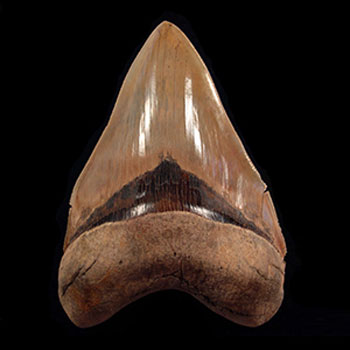
True Megalodon teeth show age. Their color and texture speak for the millions of years they spent underground. They often feel heavier than modern teeth and appear mineralized rather than shiny. You may notice slight wear on the edges, minor chipping, or fine lines along the enamel. These signs confirm the tooth’s time in nature, not in a mold. Fake fossils often look too perfect. The symmetry feels machine-made. The surface sometimes appears polished, and the weight feels off. When you compare a real Megalodon tooth with a replica, you can feel the difference right away.
Real Fossils Still Come Out of These Active Sites
Several regions across the world continue to produce authentic Megalodon teeth. Fossil hunters, river divers, and even guided tours help people recover real finds from prehistoric marine layers. Here are the most trusted and active locations:
● South Carolina Rivers- South Carolina's riverbeds have long served as a rich source of Megalodon teeth. Divers pull these fossils from dark waters where sediment preserves them well. Teeth from this region tend to carry darker tones due to the mineral-rich environment.
● Florida's Peace River- During dry seasons, the Peace River exposes fossil-bearing gravel. People sift through these layers with simple tools like screens and shovels. Many collectors leave with real teeth in hand. The fossils here often exhibit a tan or brown coloring, which is attributed to the soil content.
● Coastal Sites in North Carolina and Georgia- These coastal plains still yield Megalodon teeth today. Specific locations, such as those on private land or those that require permission, are off-limits. Still, fossil enthusiasts continue to access these areas through clubs or organized digs.
● Moroccan Fossil Fields- Fossils from North Africa are often collected by international collectors, often from ancient seabeds in Morocco. Some of these teeth may be smaller, but they remain authentic. Buyers should scrutinize these since some markets mix genuine fossils with replicas.
● Ocean Recovery from Dredging Zones- Some large Megalodon teeth come from the sea floor, where dredging uncovers ancient sediment. Divers working near these operations sometimes find stunning specimens. These fossils often show unusual color due to their deep marine origin.
Identify the Signs of a Genuine Fossil
Once you find a tooth or view one for sale, look closely. You can spot key signs of authenticity by using your senses and applying some basic checks.
● Real teeth feel dense and heavy due to mineral replacement over time.
● The enamel may exhibit slight wear, small chips, or changes in surface texture.
● Fossils often match the color of the surrounding soil, exhibiting tones ranging from black to gray, tan, or brown.
● Fake teeth appear overly smooth or symmetrical and may have a plastic-like shine.
Collectors who specialize in authentic fossils usually include helpful details with their listings. These include the dig location, the depth of recovery, or visible marks that prove natural wear. Transparency builds trust and sets real fossils apart from mass-produced casts.
Practical Tips That Help New Collectors Get Started
If you’re new to fossil hunting or buying, you can follow these steps to protect yourself and make confident choices:
● Start with trusted regions where fossils still appear regularly, such as Florida or South Carolina.
● Learn to spot visual clues like chipped enamel, weight, and color variation.
● Avoid listings that feel too polished, perfect, or vague about origin.
● Join fossil groups, clubs, or dig experiences to gain hands-on knowledge.
● Keep learning about how location, soil, and age affect fossil appearance.
Finding a megalodon tooth becomes much easier when you begin with the proper knowledge. Whether you dig it up yourself or buy from someone with experience, stay focused on the signs of truth.
Why Collectors Still Value the Search?
Holding a real Megalodon tooth brings a moment of connection with the past. These teeth once sat inside a shark that swam through ancient oceans. Today, they serve as evidence of a creature that ruled the waters before humans ever appeared. For fossil hunters, value goes beyond price. Authentic fossils carry weight in both the physical and historical sense. A real Megalodon tooth tells a story that no replica can copy. Collectors often find purpose in the process itself. Searching rivers, sorting gravel, and feeling that sudden click against a screen form part of the memory. The excitement never fades, and the learning never stops.
People Still Make Real Fossil Finds Today
The fossil world continues to reward those who remain curious. Across rivers, ocean beds, and fossil-rich plains, people continue to unearth Megalodon teeth. The work may require patience and learning, but the results speak for themselves. Many collectors return to the same sites year after year. They know that ancient layers still hold secrets. Others build their collections with care by choosing only verified and transparent sellers. Both paths bring real fossils into the hands of real people.
Final Thoughts
You do not need luck to discover real Megalodon teeth. You need patience, direction, and a focus on authenticity. The moment you feel the weight of a fossil in your hand, you understand its worth. That is not just a piece of enamel. It is a part of Earth’s history.
Remember, the key to finding a megalodon tooth starts with awareness. Study where these fossils appear. Know what they feel like. Learn how to separate truth from imitation. Then, take the step that fits your journey. Whether you choose to dig, dive, or collect, keep the experience grounded in reality.
Footnote
Fossil collectors continue to find real Megalodon teeth in trusted global locations. Study authentic signs and explore wisely to discover pieces of prehistoric life that still surface today.






