

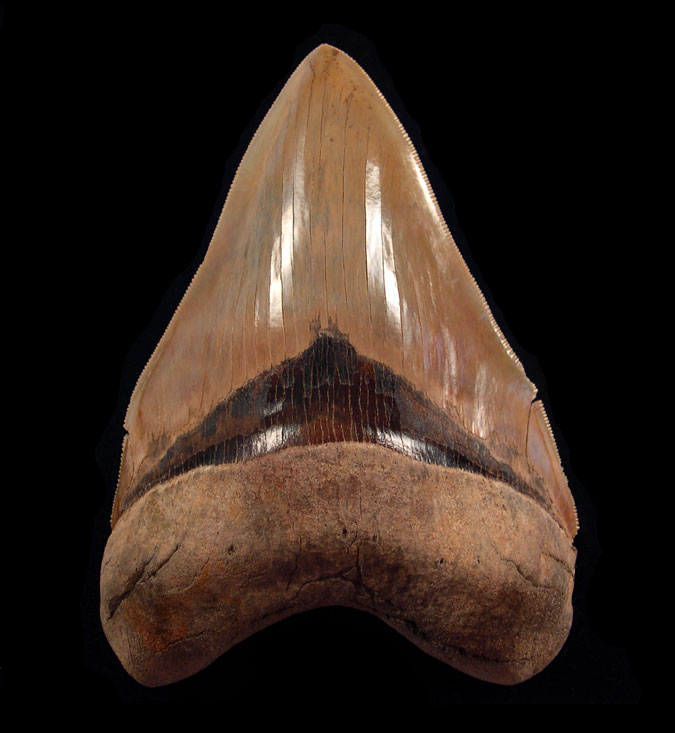
Holding a six-inch Megalodon tooth in your hand can shift your perspective. The weight, structure, and fossilized surface all point to a creature that once dominated the oceans. These teeth attract serious fossil collectors for good reason. Not only do they represent a piece of ancient life, but their size makes them incredibly rare and valuable. Many collectors actively seek a big megalodon tooth to complete or enhance their collections. But with that demand comes a growing concern. How can you tell if the tooth has been restored?
Why Collectors Seek a Big Megalodon Tooth?
Collectors ask this question because restored teeth can look almost too good. A perfect enamel line, polished tip, or symmetrical serrations might seem appealing at first. However, these features often conceal modern modifications that compromise the fossil’s original integrity. You need to understand what restoration means and how to detect it before finalizing any purchase. That knowledge protects your investment and strengthens your collection. Teeth that reach or exceed six inches already stand apart in the fossil market. These specimens come from mature Megalodon sharks and show immense force in their shape and size. Very few naturally occurring fossils reach this size. As a result, sellers feel tempted to enhance broken or imperfect pieces. Restoration can involve minor fixes or more complex changes, and every serious buyer must learn how to evaluate the work that has been done.
How Restoration Alters Original Fossils?
Start by inspecting the surface closely. Natural Megalodon teeth feature irregular textures, mineral stains, and slight imperfections from their fossilization process. When a tooth appears overly smooth, exhibits sharp color changes, or has a shine that feels artificial, these signs may indicate the need for a restoration. The surface should reflect age and depth, not artificial gloss or uniformity.
Surface and Color: What Real Fossils Should Show
Color consistency also plays a vital role in authenticity. Fossilized enamel typically transitions smoothly into the root. If the root and enamel exhibit different tones that abruptly change or if one part appears recently colored, the piece may have undergone restoration. Look for unnatural paint coverage or perfectly matched resin that has been applied to improve the appearance.
Use UV Light to Reveal Hidden Filler
Use UV light to your advantage. Many experienced collectors rely on UV testing to detect resins, fillers, and glues used during restoration. These materials react to ultraviolet light by glowing or showing uneven reflections. A basic UV flashlight can help reveal inconsistencies and highlight modified areas. This check only takes a minute, but it often tells you what photos cannot.
Check Tooth Symmetry and Tip Texture
Sellers often restore the tip of the tooth to cover breakage. Run your fingers across that point. If the texture shifts suddenly or if the tip feels softer or smoother than the rest of the enamel, the section may contain filler. Compare the sensation to the sides and base. A mismatch in feel often reveals a material change. Also, pay close attention to symmetry. Authentic Megalodon teeth rarely form with perfect balance. The root may slant, and the serrations may wear differently on each side. If you notice flawless edges or a near-perfect mirror-like structure, consider whether someone has reshaped the tooth. Restoration often hides behind visual balance, so learn to trust natural imperfections.
Simple Ways to Identify Restoration Work
Here are more cues that help reveal restoration:
● Examine the serrations under magnification. Real fossil teeth often have subtle wear or dull edges. Reconstructed serrations may appear sharp, uniform, or too clean.
● Scan the base for visible glue lines. If you spot seam-like textures or faint brush strokes along cracks, someone may have reattached or rebuilt parts of the fossil.
● Check the back of the tooth. Sellers often focus on polishing the display side while leaving hints on the reverse. Look for color differences, shine inconsistencies, or texture shifts.
● Feel for air bubbles on the surface. Fillers sometimes trap tiny pockets that give away the restoration work.
Understand How Restoration Affects Fossil Value
Restoration affects both appearance and value. An unrestored six-inch Megalodon tooth carries historical integrity and market appeal. Restoration lowers the price, but only when disclosed. If a seller hides the restoration and offers the tooth at a premium, the buyer loses out. You deserve honesty when spending on rare fossils. Sellers who provide complete transparency demonstrate respect for collectors.
Ask Clear Questions Before You Buy
You can ask clear and specific questions before making a purchase. Reliable sellers will respond with direct answers. Request extra photos if needed. If you are considering a big megalodon tooth, take even more care to verify its condition. A seller who avoids details or becomes vague when asked about restoration should raise caution. Buyers do not expect perfection, but they do expect truth. Confidence comes from information.
How Do We Examine Every Megalodon Tooth?
Our process always includes a full inspection before listing any fossil. We evaluate texture, color, weight, and visible wear. If we find signs of restoration, we document that detail. We take close-up photos without filters and offer descriptions that reflect the actual condition. We never hide imperfections or change the narrative. You see precisely what you will receive.
Honesty Matters More Than Perfection
Many restored teeth still appeal to collectors who know what they are looking for. Some buyers prefer to own a six-inch specimen, even if it has minor filler or polish. That decision remains personal and valid, as long as sellers inform buyers honestly and accurately. The problem begins when someone modifies the fossil and sells it as untouched. That practice undermines trust and damages the market.
Trust Your Observations and Tools
You don’t need advanced tools or expert training to identify red flags. A bit of patience and attention to detail takes you far. Learn how a real six-inch Megalodon tooth feels, looks, and reacts to light. Use a flashlight or UV tool to spot mismatches. Trust your eyes and instincts. Fossils tell their own stories when you know how to read them.
Experience Builds Confidence in Every Purchase
Over time, you will sharpen your ability to detect subtle differences. You will spot irregular polish, resin lines, and mismatched enamel faster. You will ask better questions and compare fossils across sellers with greater ease. You will also recognize what gives a fossil actual value. That value lives in its originality, not in cosmetic upgrades.
Final Thoughts
When you finally add a six-inch tooth with complete authenticity, the satisfaction runs deeper. You gain more than a display piece. You own something ancient, untouched, and irreplaceable. That weight in your hand tells a story no restoration can fake. And when your collection includes pieces you chose with confidence, the joy of collecting grows even stronger. In that moment, when the fossil rests in your hand and you know it came to you with no hidden work, you understand what makes collecting so rewarding. You did not just buy a fossil. You kept a piece of history in its proper form. And for any collector, that truth carries more value than any surface shine.
Footnote
Use your knowledge to examine every detail. A big megalodon tooth holds real value when it tells its story clearly, without hidden restoration or unanswered questions.






