

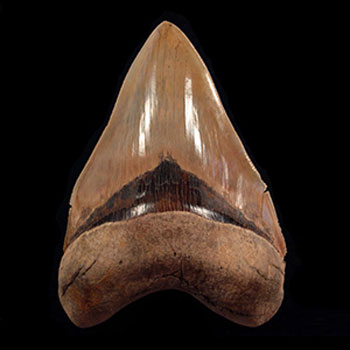
Megalodon teeth carry more than a prehistoric mystery. They hold the power to attract collectors and enthusiasts who seek something rare and authentic. When sellers promote a fossil as the youngest Megalodon tooth found, they invite attention. That phrase can influence price, desirability, and even trust. But what does youngest really mean in this context? Collectors need to look beyond the surface. They should explore the fossil’s origin, the sediment surrounding it, and the science behind its dating to understand what makes that label valid or misleading.
Define What ‘Youngest’ Really Means in Paleontology
In paleontology, the youngest refers to the final chapter in a species' timeline. It does not mean juvenile, and it does not suggest a modern fossil. The Megalodon species went extinct about 2.6 million years ago. If a collector wants to confirm that a specimen came from that period, they must examine its geological surroundings. Authentic dating requires more than appearance. It requires geological facts, proper records, and often the insight of those who understand the terrain where the tooth was found.
Check the Strength of Age Claims
Collectors should question dramatic labels when sellers offer little to no field information. A complete specimen with excellent color and serrations may look impressive. Still, without details about the formation or sediment layer, its story remains incomplete. Megalodon tooth authenticity encompasses both the physical fossil and the context it represents. That context gives weight to any age claim. It separates strong finds from vague listings designed to attract uninformed buyers or inflate perceived rarity.
Ask for Real Evidence When Evaluating Listings
● Some sellers may not intentionally mislead. They might believe in the label based on location or previous assumptions.
● Buyers should ask for formation names, locality information, and collector notes.
● A genuine fossil without a backstory loses part of its scientific and collector value.
● That makes the difference between investment-grade fossils and decorative pieces.
Know How Stratigraphy and Biostratigraphy Work
Stratigraphy plays a crucial role in determining the age of fossils. It studies sedimentary layers and helps scientists place specimens within specific periods. If a tooth comes from a clearly dated formation, such as those known to mark the final presence of Megalodon, the youngest claim makes sense. But surface finds often lack this clarity. Without confirmation from the surrounding sediment, the age becomes a guess. Fossil dating methods rely on science, not assumptions. Buyers should accept nothing less.
Biostratigraphy offers another tool. Researchers study microscopic organisms that lived during specific periods. If those organisms appear near the fossil, they help define its age. This method supports the verification of Megalodon fossil ages when combined with known formations and accurate field reports. Sellers who cite biostratigraphy or other valid studies show greater transparency. Buyers should always look for this level of openness when evaluating listings that promote rare or final-era specimens.
Ask the Right Questions Before You Buy
● Where exactly did the collector find the tooth?
● What formation does it belong to?
● What other fossils came from that area?
● Does the seller have written records from the original dig?
● How do they support their dating claim?
These questions go beyond surface inspection. They open the door to a deeper understanding of the fossil’s journey. Honest sellers will appreciate these questions and provide helpful answers. Vague replies should raise caution.
Use Verification to Strengthen Your Collection
Collectors who understand fossil dating protect themselves from inflated prices and poor purchases. They recognize that bold claims require solid facts. The discovery of the youngest Megalodon tooth, confirmed by scientific evidence and location data, deserves respect. Buyers who develop this mindset build stronger, more credible collections. They choose fossils for their whole story, not just their appearance. They also support ethical fossil trade by rewarding sellers who value accuracy over excitement.
Understand the Importance of Geological Context
Fossil age depends on where the tooth was found, not just its appearance. If a seller claims the tooth belongs to the last generation of Megalodons, the evidence must support that. Teeth found in the upper layers of Pliocene sediment often point to a later period. That helps strengthen the claim of the youngest Megalodon tooth found. But when someone retrieves a tooth from a streambed or eroded hillside, they strip away context. That missing layer of information weakens the age estimate and opens the door to misinterpretation.
Focus on More Than Just Size and Shine
Value does not only come from rarity or size. A well-preserved tooth with confirmed age carries more meaning than one with only visual appeal. Buyers should consider the complete set of qualities. Condition, serration, enamel quality, and locality all contribute to the evaluation. However, a verified age, especially one tied to the end of the Megalodon’s timeline, adds an extra layer of historical relevance. That makes the piece valuable not just for display, but for education and legacy.
Know How Mislabeling Hurts the Market
Tooth mislabeling in fossil markets affects everyone. It confuses new collectors and weakens trust among seasoned ones. Some sellers unintentionally exaggerate, while others rely on buzzwords to sell their products. Either way, buyers lose when sellers make claims without facts. The most effective way to change this trend is to focus on informed purchasing. Collectors should demand clear documentation, ask for site-specific details, and value fossils for their whole story, not just their surface shine.
Seek Verified Fossils That Tell a True Story
If a Megalodon tooth truly came from the final stretch of the species timeline, it deserves recognition. It tells a story of change, extinction, and the end of one of the ocean’s great predators. But that story needs facts to support it. Without geological proof, the claim stays in the realm of possibility, not certainty. Buyers should chase truth before rarity. They should let data drive decisions and treat fossils as pieces of time, not just objects for display.
Collect With Purpose, Not Just Appeal
Collectors who take the time to verify context invest in more than a tooth. They invest in a piece of natural history that carries scientific meaning. They respect the process and reward sellers who value documentation and clarity. Fossil remains from the final era hold importance, but only when the supporting evidence confirms their place in history. Let the excitement come from facts, not from flashy descriptions or uncertain claims.
Final Thoughts
Let the facts lead your decisions. Trust the evidence behind the fossil, not just its appearance. The megalodon tooth price should reflect proven context, not bold claims.
Footnote
Proven age adds depth to Megalodon fossils. Buyers should prioritize field context and accuracy before trusting rare claims.






