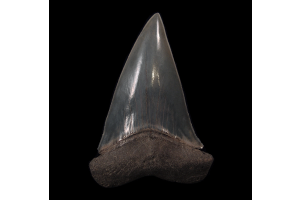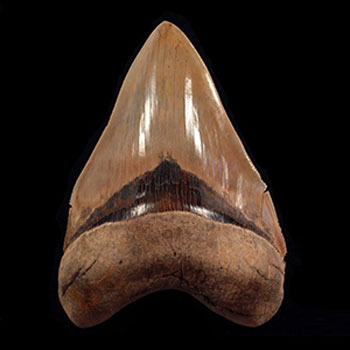
Collectors often feel drawn to the sheer presence of a megalodon shark tooth. That pull makes sense. These prehistoric fossils offer both size and mystery. First-time buyers typically search with excitement but often lack direction. The market offers a wide range of prices and conditions, but not every tooth deserves attention. Some carry authentic value. Others only look good at first glance. Understanding what makes a specimen worth your time will save you from bad decisions. This guide walks you through the points that help you identify value and avoid common mistakes.
Megalodon Shark Tooth Size Does Not Guarantee Value
First-time buyers usually chase size. A big tooth looks impressive, but large doesn’t always mean better. A smaller tooth with full enamel, a complete bourlette, sharp serrations, and a natural root structure often holds higher value. Size alone cannot replace condition. Good sellers highlight both. Look for listings that mention “no restoration” or “unpolished root.” These signs reflect natural conditions. A four-inch tooth with exceptional preservation may cost more than a damaged six-inch one. Always weigh size against physical quality and natural features before making a decision.
Restoration Lowers Authenticity
Many sellers repair or polish teeth. These changes affect long-term value. Restored teeth often show glossy surfaces or filled cracks. Some even use resin to rebuild broken tips. While these repairs may improve appearance, they change the tooth’s originality. Experienced buyers avoid over-restored fossils. You should do the same. Study listing photos. Ask if the tooth has undergone restoration. Honest sellers disclose everything. Choose fossils with minimal or no repair to preserve value, especially if you plan to build a serious collection.
Trust What the Listing Tells You
Clear listings help you judge a tooth before you commit. The best sellers include:
● Measurements in inches and millimeters
● Provenance, such as South Carolina, Georgia, or Indonesia
● Details on enamel quality, serrations, and root condition
● Notes confirming natural condition or minimal restoration
These facts protect your investment. They help you compare listings across sellers and identify substantial value. Stay away from vague listings. If the seller provides one photo and a little description, do not risk it. Ask questions. A clear listing shows respect for the fossil and the buyer.
Origin Adds Meaning
Where a fossil comes from shapes its story. Some areas produce darker enamel. Others give the tooth a glossy finish or stronger serrations. A megalodon shark tooth often reflects the characteristics of its region. Sellers who provide location information build trust. If you want to own something real, you should ask for provenance. Fossils from Georgia and West Java exhibit distinct appearances. That uniqueness affects collector interest. Teeth with a known origin also tend to resell better. Treat origin as a requirement, not an extra feature. Ask for it every time. If the seller avoids the topic, look elsewhere.
Price and Value Are Not the Same
Cheap fossils often hide problems. Low-cost listings may feature heavy repair, fake parts, or unclear origin. Always compare before buying. Ask why one tooth costs more than another of similar size. Better enamel, sharper serrations, and full bourlette often explain the difference. Don’t let price alone be the guide. Learn what features justify the cost. A well-preserved tooth with no restoration usually costs more—and deserves it. Understanding this balance makes you a better buyer.
Ask Before You Buy
Direct questions can save you from a bad purchase. Ask the seller:
● Has this tooth been repaired or filled?
● Where was the tooth discovered?
● Can I see more photos in natural light?
● Are the serrations intact and visible?
● Is the enamel natural, or has it been polished?
If the seller refuses to answer, move on. Confident sellers welcome your questions. They know what they offer. Protect your investment with simple, honest questions before you commit to the buy.
Photos Show the Truth
Images tell you more than the product title. Honest sellers provide multiple photos that show the crown, root, side profile, and close-up views of the serrations. They also show lighting that reveals color and natural texture. Edited or overly bright photos hide defects. Watch out for that. Good sellers use natural lighting. They do not hide behind marketing shots. Compare photos across listings. You will start to see which teeth show real preservation. The truth always shows in the image. Trust your eyes more than headlines.
Know Why You Want to Buy
Buyers choose fossils for different reasons. Some want to invest. Others wish to display or have a conversation piece. Some collect for educational value. No matter your goal, you should still buy with care. Teeth with minimal restoration, a known origin, and preserved enamel provide more benefits in the long run. They look better. They hold value. They reflect effort and thought. That makes them special. Think ahead when you buy. A strong purchase remains meaningful over time, regardless of your reason for owning it.
Focus on Substance, Not Hype
Many listings use phrases like “museum-grade” or “investment-level.” These words carry no weight without evidence. Focus on condition, not labels. Let the fossil speak through its serrations, enamel, and origin—not flashy words. Strong listings show what matters. They include clear images and full descriptions. Genuine sellers never need to oversell. They present the tooth as it is. Buyers who chase substance end up with better fossils and fewer regrets. If a listing sounds too perfect, ask what it hides.
Final Thoughts
If you searched for a megalodon tooth for sale, you may want something that offers more than just a look. You want history, weight, and integrity. You can find it if you approach the process with purpose. Study every listing. Compare details. Ask questions without hesitation. Demand honest photos. Make condition, not price, your top concern. Focus on the known origin. These steps help you choose a fossil that holds long-term value. Let your first Megalodon tooth tell a complete story—one that reflects truth, not shortcuts.
Footnote
The actual value of a fossil comes from its preservation, honesty, and origin. Choose carefully, and you’ll own more than a fossil. You’ll own a story worth keeping.