Page 6 - Blog
- - December 07, 2025
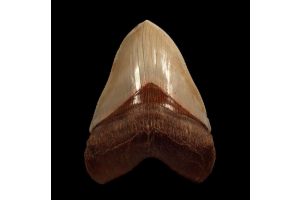
Millions of years ago, the oceans were ruled by a creature so immense and fearsome that its very name sparks awe—Megalodon. This extinct apex predator measured over 50 feet in length, and its teeth, some exceeding 7 inches, were weapons of evolutionary brilliance. Today, these fossilized remnants of marine dominance are more than rare artifacts—they’re treasures of natural history.
If you're someone who finds fascination in Earth's ancient past, the idea of owning a real Megalodon tooth has likely crossed your mind. Yes, you can indeed buy megalodon tooth specimens, and they're often more accessible than one might assume.
Before you dive into the details, let’s explore what makes these fossils so special—and what to look for when considering such a unique purchase.
What Makes a Megalodon Tooth So Special?
Unlike bones, shark teeth fossilize easily due to their dense, mineralized composition. A Megalodon, during its lifetime, would shed thousands of teeth. Some of these made their way
- - December 07, 2025
Imagine the deep blue stretching endlessly beneath you—a silent world, dark and unknowable. For millions of years, the ocean has kept secrets, and one of its most fascinating is the legend of the ancient giant shark that once ruled its depths: the Carcharocles megalodon. The thought of this colossal predator sparks both awe and curiosity. Could such a creature have truly disappeared forever, or do echoes of its existence still ripple through the waters?
This question has inspired scientists, fossil hunters, and ocean lovers alike to explore what remains of a species that once dominated Earth’s seas. From its jaw-dropping size to its mysterious extinction, the megalodon continues to capture the imagination of anyone drawn to the marvels of prehistoric life.
A Giant Beyond Comparison
If you think modern sharks are impressive, imagine a predator reaching up to sixty feet long—larger than most school buses. The Carcharocles megalodon was not only immense but remarkably efficient, equipped
- - December 07, 2025
Somewhere along a quiet shoreline, the tide pulls back and reveals a fragment of time—dark, triangular, and gleaming faintly beneath the sand. Your heart skips a beat as you realize it could be something extraordinary: a relic from one of the most formidable predators that ever lived. Long before humans walked the earth, the megalodon dominated the seas. Today, finding a megalodon tooth connects us to that ancient past in a tangible way, letting us hold millions of years of history in our hands.
The thrill of such a discovery isn’t just about the fossil itself; it’s about the moment of recognition—the instant when you realize you’ve unearthed a piece of Earth’s forgotten story.
Why These Ancient Giants Still Fascinate Us
Megalodons, often measuring more than fifty feet long, once ruled the oceans with unmatched strength. Their massive teeth—some over seven inches—were designed for crushing bone and devouring large prey. Although they disappeared around three million years ago, their presence
- - December 07, 2025
Buyers often search for rare fossils that hold both value and authenticity. Among the most sought-after are fossilized teeth labeled as Otodus megalodon in the Copper Red Site. These teeth are not only visually stunning but also extremely limited in availability. Their signature copper tone and site-specific origin set them apart from other fossil finds. However, that appeal brings imitation and mislabeling into the picture. Before making a purchase, collectors must understand how to identify genuine items and avoid costly mistakes. This guide will walk you through everything you need to confirm before investing.
Recognizing the Value of Copper Red Site Fossils
The Copper Red Site refers to a known fossil-bearing location where the sediment composition creates a rich, copper-red color during the fossilization process. Over time, minerals within the soil bind to the enamel of fossilized shark teeth, giving them their distinctive reddish tone. This effect does not appear in all regions and
- - December 07, 2025
Nature doesn’t always shout its secrets. Sometimes, it whispers them through ancient sediment, buried far below the surface where time has quietly passed. One such whisper rises from a dry stretch of land in central California—a site with layers of history pressed into the soil. Long ago, before mountains rose and deserts formed, this place was submerged beneath a shallow sea teeming with extraordinary marine life.
Somewhere deep within that sea's fossilized remains, collectors might discover something rare and thrilling—the Sharktooth Hill megalodon tooth. This treasure feels both ancient and alive in its presence.
A Land That Was Once an Ocean
Sharktooth Hill, nestled near Bakersfield, is far from the ocean today. But nearly 15 million years ago, it sat at the bottom of the Temblor Sea. This prehistoric body of water spanned what is now California’s Central Valley, and its depths were teeming with sharks, whales, sea lions, rays, and an astonishing array of marine life.
What makes Sharktooth
- - December 07, 2025
If you have ever wondered why a big megalodon tooth excites collectors, you are not alone. These massive teeth come from one of the largest predators in history. Fossil collectors, marine enthusiasts, and even casual buyers find them fascinating. They are rare, beautiful, and tell a story about an ocean that existed millions of years ago.
Owning a big megalodon tooth gives you a connection to a shark that could grow over 50 feet long. It is not just a fossil; it is a piece of history. The size, shape, and color of each tooth can tell a lot about the shark that owned it. Collectors often want to know how much is a megalodon tooth is before they buy one. Prices can vary greatly depending on size, color, condition, and where the tooth was found.
Even though many fossils are available for sale, finding a big megalodon tooth in excellent condition is rare. When you hold one, you hold a part of ancient life. Its size, sharp edges, and natural shape make it a standout display piece.
- - December 07, 2025
There’s something extraordinary about holding a piece of ancient history in your hands. Few objects inspire curiosity and wonder like prehistoric shark teeth—especially when they belong to the legendary Otodus megalodon. At Buried Treasure Fossils, we believe these magnificent specimens are more than collector’s items—they’re powerful, hands-on learning tools that ignite scientific curiosity in children and foster a lifelong passion for discovery.
The Fascination of a Prehistoric Giant
The Otodus megalodon—the largest shark to have ever lived—once dominated the oceans over 3 million years ago. This massive predator could grow up to 60 feet long, with jaws strong enough to crush whales. For a young scientist, simply learning about its size and power opens the door to countless questions: How did such an animal evolve? What did it eat? Why did it disappear?
At our store, we’ve seen how even a single fossilized tooth can trigger hours of exploration. It becomes more than just a fossil—it’s
- - December 07, 2025
There’s a reason megalodon teeth turn heads. More than six inches of ancient enamel, sharp serrations, and fossilized color make them look like something pulled straight from the jaws of a sea monster—and in a way, they are. These are pieces of history, once part of the mouth of an apex predator that swam Earth’s oceans millions of years ago. No wonder they’ve become a collector’s favorite.
But as demand rises, so do the counterfeits. With technology enabling startlingly accurate replicas, the market is flooded with lookalikes. The question that inevitably follows is: how to tell if a megalodon tooth is real? It’s a common concern among fossil lovers, and one that deserves close attention.
Let’s move past the awe and into the evidence.
Why Megalodon Teeth Are So Widely Replicated
Megalodon teeth are among the most recognized fossils in the world. They represent not only a prehistoric creature but a piece of Earth's untold story. Genuine specimens often fetch hundreds or even thousands
- - December 07, 2025
People often wonder why one megalodon tooth sells for hundreds while another reaches thousands. The truth lies in the details that only the market and collectors truly understand. When studying the megalodon tooth value, you must consider size, condition, color, and where the fossil came from. Each factor plays a role in shaping price and appeal. Understanding these clues helps you judge fairness, set realistic prices, and make informed decisions whether you buy, sell, or collect.
What Defines Megalodon Tooth Value Based on Key Physical Traits?
Most sellers believe that size alone defines worth, but that belief often leads to incorrect pricing. A tooth that measures six inches but carries cracks or repairs may bring less than a five-inch piece in flawless form. Buyers assess every edge and surface before making a purchase. Collectors look for natural preservation, sharp serrations, and an intact root. They value honesty and proof over hype. When you understand what they’re looking for,
- - December 07, 2025
Collectors never stop asking one key question. Which fossils hold real value today? That question drives curiosity and decision-making for both seasoned collectors and newcomers. The answer always leads to the same place. Some fossils capture history, others hold a story, and a few manage to keep both value and fascination. Among them, Otodus megalodon fossils from Bone Valley stand in a class of their own. These fossils combine authenticity, traceable history, and geological beauty that connect directly to collectors who seek pieces that endure beyond simple display.
Why Bone Valley Draws Collectors’ Eyes?
Bone Valley sits on rich phosphate deposits that preserve marine life from the Miocene era. Over time, these deposits locked away prehistoric remains under layers of minerals that enhanced both color and structure. The result is a fossil bed that yields specimens unlike any other. Collectors recognize Bone Valley fossils because of their mineral depth and rich tonal variation. Each tooth