

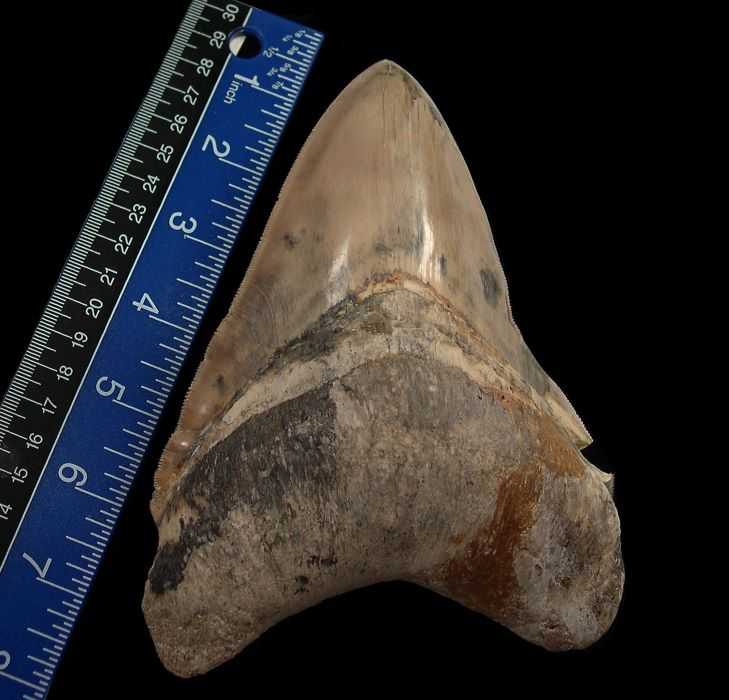
People often wonder why one megalodon tooth sells for hundreds while another reaches thousands. The truth lies in the details that only the market and collectors truly understand. When studying the megalodon tooth value, you must consider size, condition, color, and where the fossil came from. Each factor plays a role in shaping price and appeal. Understanding these clues helps you judge fairness, set realistic prices, and make informed decisions whether you buy, sell, or collect.
What Defines Megalodon Tooth Value Based on Key Physical Traits?
Most sellers believe that size alone defines worth, but that belief often leads to incorrect pricing. A tooth that measures six inches but carries cracks or repairs may bring less than a five-inch piece in flawless form. Buyers assess every edge and surface before making a purchase. Collectors look for natural preservation, sharp serrations, and an intact root. They value honesty and proof over hype. When you understand what they’re looking for, you can set a price that feels right and attracts genuine interest.
Size and Preservation Define Demand Strength
Size draws attention first, yet condition closes the sale. A large tooth may impress at first glance, but collectors inspect details. If the enamel shows scratches or the tip is chipped, the price drops. Clean serrations, a whole root, and visible bourlette lines boost demand. Avoid cleaning or polishing, as this removes the natural texture. Buyers prefer fossils that keep their raw, unaltered charm. A tooth above six inches in near-perfect condition can sell from one thousand to three thousand dollars, while a smaller or repaired one may stay below eight hundred.
Source and Appearance Shape Buyer Confidence
Where a tooth comes from adds personality and proof. Specimens found in coastal riverbeds or fossil-rich cliffs often develop shades of black, bronze, or honey brown from the minerals in their environment. These tones draw collectors because each color tells part of the fossil’s history. A tooth from a rare or closed dig site can also raise its appeal. Always mention the origin clearly when selling. Provenance creates trust, and buyers respect the story attached to the fossil.
Market Evidence That Guides Pricing Decisions
Successful sellers study ongoing listings and sales to find realistic benchmarks for their pricing. Instead of guessing, they observe market patterns and adjust pricing according to proven results. A practical approach includes:
● Reviewing several verified sales from trusted fossil platforms.
● Comparing teeth with similar size, shape, and color.
● Studying how fast premium specimens sell versus average ones.
● Noting any seasonal shifts when collector demand rises.
By watching these signals, you learn where your fossil fits. Staying aligned with real data helps you avoid overpricing or undervaluing your piece.
Collector Expectations That Shape Presentation
Collectors want clarity and confidence. They expect sellers to show the fossil in detail and accurately describe its traits. When buyers assess megalodon tooth value, they rely heavily on visual proof and honest information. Include photos that display the tooth from every angle under natural light. Use simple backgrounds and include a visible ruler for scale. Write a short but complete description that mentions origin, measurements, and any flaws. Transparency attracts repeat buyers and builds trust within the fossil community.
Checklist to Assess Tooth Before Pricing
When preparing to list your specimen, assess the following points carefully:
● Inspect every feature, including root enamel and serrations
● Check for restoration marks or filler spots.
● Confirm accurate measurements using a caliper.
● Compare your fossil with verified online examples.
● Document its location and year, if possible.
These small steps make a significant difference. They tell buyers that you know your specimen and respect its authenticity.
Clearing Up Common Misunderstandings
Myth: Bigger teeth always bring higher value.
Fact: A smaller flawless tooth often sells for more than a larger damaged one.
Myth: Polished teeth attract better offers.
Fact: Natural finish and untouched enamel create a stronger collector appeal.
Myth Provenance plays no role.
Fact: Teeth with a traceable origin hold more credibility in fossil markets.
Myth Restored fossils lose all worth.
Fact: Honest disclosure allows fair pricing for restored but quality pieces.
Proof Builds Trust in the Final Presentation
Photographs speak louder than words in the fossil trading industry. Present your megalodon tooth in sharp, clear images that highlight its best traits. Avoid over-editing. Use accurate descriptions that clearly state color, size, and preservation. A clear listing removes buyer hesitation and positions your specimen as a reliable option. When you pair accurate visuals with truthful details, you support your price through evidence, not claims.
Final Words
Understanding how to price a megalodon tooth begins with careful observation and a fair mindset. You must read the market, evaluate your specimen’s traits, and respect what collectors value most. A clear understanding of megalodon tooth value enables you to differentiate yourself from casual sellers and garner serious attention by presenting genuine details and backing them up with evidence. You build a lasting reputation within the fossil community.
Footnote
Study the condition, color, size, and origin before listing a megalodon tooth. Honest presentation helps secure better offers and creates lasting trust with experienced collectors.






