

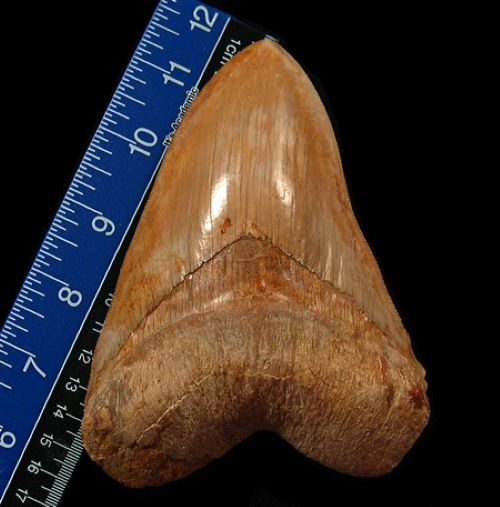
If there's one fossil that captures the imagination of collectors, paleontologists, and enthusiasts alike, it's the massive tooth of the prehistoric megalodon. These fossilized remnants are not just relics of an extinct predator; they are scientific clues, collectibles, and status symbols in the world of fossil hunting. We often hear stories about six or seven-inch teeth being discovered, but what’s the real story behind their size? When it comes to megalodon tooth size, what defines the upper limits, and which ones truly qualify as giants?
Why Megalodon Tooth Size Fascinates Collectors and Scientists
Megalodon teeth aren’t just known for their triangular shape and razor-sharp edges. They’re admired for their massive size. A typical adult tooth ranges from 4 to 5 inches, with anything above 6 inches considered exceptionally large.
Collectors pursue larger teeth for their rarity and display value. For scientists, size indicates more than aesthetics. It can offer insights into the shark's overall body length, jaw structure, and even feeding habits. The bigger the tooth, the more likely it belonged to a mature apex predator.
How Is a Megalodon Tooth Measured Accurately?
The size of a megalodon tooth is determined by its longest slant height, measured diagonally from the tip to the root corner. This method is the standard for collectors and dealers alike. However, there can be variation between left and right slant heights, especially in worn or imperfect specimens, so consistency in measuring is key.
Thickness and width also contribute to the visual impact of a tooth, but for classification purposes, the slant height remains the defining metric. Some fossil sellers provide full dimensions to give buyers a more complete picture, but the slant height is what sets records.
Factors That Affect Tooth Size: Position, Age, and Preservation
Not all megalodon teeth are equal, even from the same shark. Teeth varied in size depending on their position in the jaw. Anterior teeth, found at the front of the mouth, were often larger and more symmetrical. Posterior teeth, located toward the back, tended to be smaller and more angled.
The age of the shark also mattered. Juvenile megalodons had smaller teeth, while adults, especially mature females, could produce teeth in the 6 to 7-inch range. Fossilization also plays a role. Some teeth are well-preserved, while others lose part of the root or enamel, which affects the final measured size.
So, how big can a megalodon tooth get? The largest known examples reach beyond the 7-inch mark, but these are extremely rare and often come with strict verification requirements.
What Is the Largest Megalodon Tooth Ever Recorded?
The current record for the largest scientifically verified megalodon tooth stands at just over 7.48 inches. Discovered in Peru, this fossil has been authenticated through multiple measurements and remains one of the most talked-about specimens in the fossil world.
Any tooth exceeding 7 inches automatically enters the elite category. Many collectors aim for teeth in the 6 to 6.9-inch range, but finding one over 7 inches in good condition is exceptionally rare. These specimens usually come with detailed provenance, photographs, and sometimes X-rays to confirm their authenticity.
It is important to distinguish between natural specimens and altered or composited ones. Authenticity matters, especially when inches make the difference between rare and record-breaking.
Why Larger Teeth Are More Than Just Bigger Fossils
Bigger isn’t always better, but in the case of megalodon teeth, size often translates to greater scientific and commercial value. Larger teeth are typically better preserved because they come from adult sharks with thicker enamel and denser roots.
These teeth also offer more information. Larger specimens help paleontologists estimate the shark’s overall body length using established tooth-to-body ratios. A tooth over 6 inches could suggest a shark that exceeded 50 feet in length.
From a collector’s perspective, owning a 6.5 or 7-inch tooth isn’t just about size. It’s about acquiring a fossil that few others possess. These are centerpiece items in any collection, often accompanied by documentation and professional grading.
Tips for Buyers Looking for Larger Megalodon Teeth
For those in the market for larger specimens, there are a few important considerations:
● Verify the Measurement: Always ask for slant height details and whether the measurement was taken on the longest side.
● Check for Restoration: Some teeth may have repaired tips or reconstructed roots. While not necessarily bad, this affects authenticity and value.
● Inspect the Condition: Look at the enamel quality, root integrity, and serrations. A large tooth with heavy damage is worth less than a slightly smaller, pristine one.
● Understand the Source: Provenance adds to credibility. Teeth from known fossil beds in North America or South America are more likely to come with verified records.
Knowing what to look for helps avoid common pitfalls and ensures your investment is based on solid, measurable qualities.
Beyond Size: Other Traits That Matter
While megalodon tooth size is often the headline feature, other traits can be just as significant. Coloration, for example, depends on the minerals in the sediment where the tooth fossilized. A 6-inch tooth with deep black enamel or blue-grey hues can command a premium simply for its visual appeal.
The presence of fine serrations also matters. Well-preserved serrations suggest minimal wear, indicating the tooth fell out naturally rather than breaking during feeding. Symmetry, thickness, and overall shape add to the tooth’s uniqueness and can increase its appeal to collectors.
Conclusion: Measuring Size, Measuring Impact
The fascination with megalodon teeth is not just about their massive scale. It’s about what those measurements represent. From the hunting power of one of the ocean’s largest predators to the rare finds that define private collections, these fossils carry weight in more ways than one.
We’ve seen how slant height defines the record, how placement in the jaw affects the outcome, and why proper measurement is essential for accuracy and credibility. Whether you’re examining a 4-inch tooth or a 7.5-inch giant, understanding size is key to appreciating what makes these fossils so remarkable.
If you’re looking to explore rare specimens with verified authenticity and exceptional size, Buried Treasure Fossils offers one of the most extensive collections available. For those curious about megalodon tooth size and what qualifies as extraordinary, their inventory is a valuable place to begin that journey.
Contact our fossil experts today to explore museum-quality megalodon teeth, verify size and authenticity, and secure a piece of natural history.






