Buyers often search for rare fossils that hold both value and authenticity. Among the most sought-after are fossilized teeth labeled as Otodus megalodon in the Copper Red Site. These teeth are not only visually stunning but also extremely limited in availability. Their signature copper tone and site-specific origin set them apart from other fossil finds. However, that appeal brings imitation and mislabeling into the picture. Before making a purchase, collectors must understand how to identify genuine items and avoid costly mistakes. This guide will walk you through everything you need to confirm before investing.
Recognizing the Value of Copper Red Site Fossils
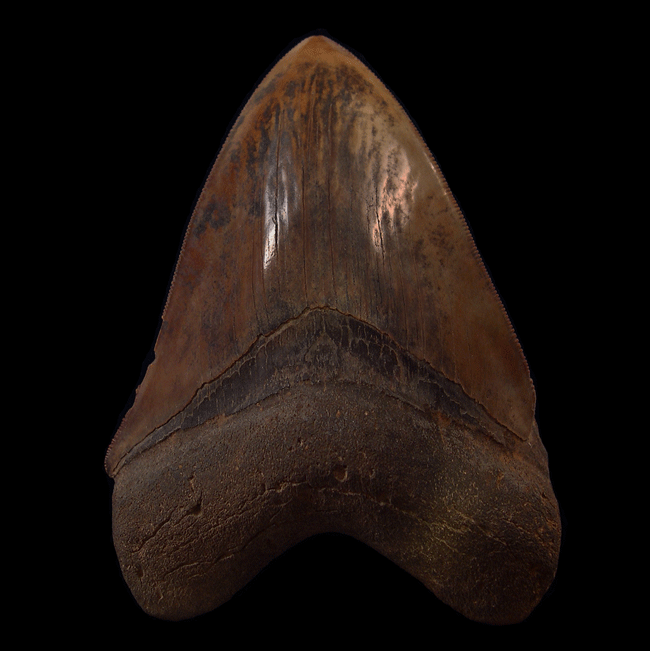
The Copper Red Site refers to a known fossil-bearing location where the sediment composition creates a rich, copper-red color during the fossilization process. Over time, minerals within the soil bind to the enamel of fossilized shark teeth, giving them their distinctive reddish tone. This effect does not appear in all regions and remains unique to areas with the right geological conditions. As a result, collectors place a high value on these specimens. Otodus megalodon teeth from this site combine impressive size, color, and preservation with a confirmed location, making them highly collectible and increasingly more challenging to find.
Authentic Specimens Show Clear Visual Traits
Not all red-toned shark teeth come from the Copper Red Site. Authentic specimens exhibit distinct physical features that distinguish them from imitations. The enamel should display depth in tone, not a surface-level gloss. Buyers should see natural variation in color, texture, and shape. This reflects years of fossilization, not recent modification. An actual Copper Red specimen will not have a polished, overly bright surface. It shows the result of age, sediment exposure, and environmental pressure.
You should pay close attention to the following traits:
● The enamel should display a natural reddish or copper tone without looking stained or artificial.
● The root should appear intact, weathered, and mineralized, with no visible filler or smoothing.
● Serrations, if present, should look sharp yet aged, matching the tooth’s overall condition.
● The color should flow organically throughout the tooth, not abruptly change or appear painted.
Examining Root Quality and Enamel Condition
Most collectors overlook the root structure while focusing only on color. However, the root reveals much about the fossil’s journey. A well-preserved root carries pitting, density, and rough texture. If the root appears too smooth or lacks mineral buildup, it might have undergone alteration. Natural fossils show signs of age in both enamel and root, not just in hue. Real teeth of Otodus megalodon in Copper Red Site often reveal precise serrations and enamel ridges, with no unnatural blending. When these details remain sharp and consistent, you can trust the tooth has not seen heavy restoration.
Avoid Common Traps That Lead to Bad Purchases
Misleading marketing terms often trick new buyers. Some sellers describe teeth as “copper style” or “red-toned” without providing location details or condition reports. Others apply artificial stains or polish to increase the price of common specimens. These traps catch even experienced collectors when they rely solely on appearance. To avoid falling for surface-level tricks, always compare a specimen to known Copper Red examples and study how enamel depth, root weathering, and overall structure hold up in natural fossils.
Use this checklist when evaluating a fossil:
● Does the enamel show a layered tone rather than a single, flat color?
● Is the root rough and aged, or overly clean and polished?
● Has the seller disclosed whether any restoration, polishing, or enhancement work has taken place?
● Can the seller confirm the specific locality from where the tooth was collected?
Verifying Provenance Through Documentation
Authenticity begins with clarity. A seller should always provide clear, unaltered photographs and complete transparency on the condition. Look for listings that show the fossil from multiple angles and include close-ups of the enamel, root, and profile. Collectors often request information on the location where the tooth was found, including the specific river or sediment layer in which it was discovered. Fossils that lack this background story often do not hold long-term value, even if they appear visually impressive.
Reputable sellers tend to share this vital information:
● Complete condition reports, including cracks, chips, or restoration areas
● Precise measurements of length, width, and weight
● Confirmation of site-specific recovery, such as from the Meherrin River
● Accurate close-up photos taken in natural light with no editing or gloss
This level of detail not only builds trust but also helps buyers match each piece with known regional features.
Myth Versus Fact: Clearing Common Misconceptions
Myth
All red teeth are from the Copper Red Site.
Fact
Only fossils from specific mineral-rich areas show the actual Copper Red effect. Surface staining or color enhancements may give a red look, but they lack geological authenticity.
Why Accuracy Protects Your Investment
A genuine Otodus megalodon in the Copper Red Site tooth holds value due to its documented history and natural preservation. Unlike mass-market fossils, these pieces represent specific moments in time and environment. Collectors do not just purchase the look. They invest in a fossil with integrity and a clear origin. This adds long-term value, allowing the collector to present each item with confidence and accuracy. Each authentic specimen strengthens a collection, whether displayed or resold.
By following these guidelines, buyers avoid imitation and gain clarity. That clarity translates into real-world protection against inflated pricing or misleading offers. Choosing wisely also means building a collection rooted in science, not guesswork.
Final Thought for Serious Collectors
The value of a Copper Red specimen lies in more than its color. It rests in its story. That story lives in the enamel, the root, the sediment, and the hands that uncovered it. When you evaluate a specimen based on natural indicators and documented context, you collect with certainty. Trust the process, ask the right questions, and stay grounded in the facts. A real Otodus megalodon tooth from the Copper Red Site does not need marketing gloss. It speaks for itself.
Footnote
The natural copper tone in Otodus megalodon teeth forms only through fossilization in specific sediment layers. Always review the condition and origin of any fossil purchase before finalizing the transaction.