Page 19 - Blog
- - January 01, 2026
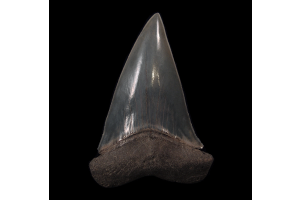
Have you ever held a shark tooth and wondered what stories it could tell? At Buried Treasure Fossils, we specialize in helping you uncover pieces of prehistoric life through our incredible collection of fossils. One of the most exciting comparisons we often explore is the Megalodon tooth vs great white tooth. These two giants of the shark world—one extinct and one still thriving—offer amazing insight into life beneath the waves, both past and present.
Let’s dive deep into the ancient waters and learn what these teeth reveal about the lives and times of these oceanic titans.
Giants of the Deep: A Look Back in Time
Millions of years ago, the oceans were home to one of the most powerful predators to have ever lived—the megalodon. This enormous shark dominated the seas, with some estimates placing its length well over 50 feet. While the megalodon itself no longer swims our oceans, its legacy survives in its teeth.
Thick, broad, and often over seven inches in length, megalodon teeth are awe-inspiring
- - January 01, 2026
Beneath the shimmering surface of the ocean lies a forgotten world—one ruled not by humans or machines, but by creatures whose size and presence defied comprehension. Among them, the megalodon reigns supreme. This ancient shark, with jaws that could swallow small boats, remains one of the most intriguing predators ever to roam Earth’s waters. And recently, a fascinating discovery stirred up global curiosity once again: the world's biggest megalodon tooth was found—and its story is one for the ages.
This find wasn’t simply about size; it revealed hidden truths about evolution, extinction, and Earth's own timeline.
Let’s journey into the depths to learn how this enormous tooth reshaped what we know about the megalodon, and why such fossils continue to captivate scientists and collectors alike.
Where the Past Emerged: The Chilean Connection
In the heart of Chile’s fossil-rich Atacama Desert, something extraordinary surfaced. Nestled within layers of marine sediment, a huge fossilized tooth
- - January 01, 2026
At Buried Treasure Fossils, we take pride in offering some of the rarest and most visually stunning fossil specimens in the world. Among our most coveted items is the Megalodon tooth in North Carolina, especially those that come from the legendary Copper Red Site along the Meherrin River. These remarkable fossils offer a captivating blend of rarity, size, and color that make them an irresistible addition for fossil collectors and enthusiasts alike.
Each tooth from this site tells a story of deep time—formed millions of years ago and preserved through the forces of nature. The striking copper red hue, in particular, is a true visual marvel that sets these teeth apart from others found around the globe. For anyone passionate about Earth’s prehistoric past, these fossils offer not just a glimpse into ancient oceans, but a tangible connection to one of the ocean’s most formidable predators.
The Legacy of the Otodus Megalodon
Millions of years ago during the Pliocene epoch, the oceans were
- - January 01, 2026
Anyone searching for a megalodon tooth for sale usually comes with serious intent. Whether they collect fossils, study paleontology, or want to own a rare piece of prehistoric history, they seek authentic, verifiable teeth not replicas or incomplete fragments. These buyers prioritize size, preservation, authenticity, and the provenance of the fossil. Understanding what makes a genuine megalodon tooth stand out helps buyers avoid costly mistakes and make a confident, informed purchase. This guide walks you through how seasoned collectors evaluate real teeth and shows you how to do the same.
How to Recognize a Real Megalodon Tooth for Sale?
Authenticity sits at the top of every buyer’s checklist. Real megalodon teeth originate from deep layers of sediment, often found in rivers, coastal sites, or dig zones known for their rich fossil deposits. These fossils typically weigh more than their artificial counterparts and exhibit mineral patterns that can only be formed by time and pressure.
- - January 01, 2026
Choosing the right fossil pendant goes beyond style or trend. It’s an opportunity to own a piece of prehistoric history, crafted into a wearable form that showcases authenticity, skilled workmanship, and natural beauty. A megalodon shark tooth necklace captures this blend of rarity and design, turning ancient remains into something meaningful and visually striking. We offer carefully selected options that meet these standards, giving buyers confidence in the quality and origin of what they’re wearing. To make an informed decision, there are key details worth paying close attention to.
Check the Tooth's Authenticity
The first and most important step is verifying that the shark tooth is genuine. Megalodon teeth are fossilized remains from a long-extinct species of shark that once dominated prehistoric oceans. Because of their age and rarity, replicas and imitations are common.
A real megalodon tooth typically has visible serrations, a mineralized surface, and natural imperfections such
- - January 01, 2026
If you have ever browsed the fossil market or looked through online listings, you have likely seen a wide range of specimens, some stunning, some questionable, and some that seem too good to be true. That is why knowing how to identify a real megalodon tooth becomes crucial. As fossil collectors, we offer guidance to help you avoid costly mistakes and make confident decisions when you are ready to buy megalodon tooth specimens. This guide breaks down everything you need to know, from visual cues to seller red flags, so you can be sure you are getting the real deal.
Know the Basic Anatomy of a Megalodon Tooth
A genuine megalodon tooth has distinct characteristics that set it apart from other fossilized teeth or modern reproductions. It typically ranges from 3 to more than 6 inches in length and has a thick, triangular shape. The enamel should be smooth, with a clear boundary between the root and the crown.
The root usually has a textured, porous appearance, while the blade may still show
- - January 01, 2026
Standing on a beach and holding a fossil that belonged to one of the most powerful animals ever to swim our oceans is an electrifying experience. And when we talk about prehistoric sharks—especially the giant Megalodon—curiosity always leads to an important concept for young science enthusiasts: understanding how biology helps explain the megalodon tooth price, why huge teeth are extremely rare, and why we at Buried Treasure Fossils are so passionate about sharing these remarkable specimens with learners everywhere.
How Megalodon Teeth Tell the Story of a Giant Predator
Before we dive into how size impacts cost, it helps to understand the animal behind the fossil. Megalodon wasn’t just a “big shark”—it was a marine super-predator that dominated the Miocene and Pliocene oceans. Scientists estimate it reached up to 60 feet long, weighed as much as 70 tons, and delivered a bite force greater than any creature known.
That incredible power shaped the structure of its teeth. Megalodon teeth
- - January 01, 2026
At Buried Treasure Fossils, we take pride in offering exceptional and truly rare fossil specimens that capture the imagination. Among the most captivating of these are pathologic Otodus shark teeth—true natural oddities that reveal the unpredictable beauty of prehistoric life. Our latest featured piece, a remarkable “split crown” Otodus obliquus tooth from the Khouribga phosphate mines of Morocco, stands out as a prime example of nature’s creativity. This complete and unrestored tooth is a one-of-a-kind specimen for serious fossil enthusiasts. If you're searching for a Pathological Megalodon tooth for sale, you'll find this kind of distinctive fossil equally riveting.
Let’s explore why pathologic shark teeth, especially those from the Otodus genus, are highly prized and considered centerpieces in fossil collections around the world.
A Glimpse into the Prehistoric Past
Otodus obliquus was a formidable predator that roamed ancient oceans approximately 60 million years ago. Teeth from this
- - January 01, 2026
In the world of paleontology and fossil collecting, few relics capture the imagination quite like the teeth of the Megalodon. These ancient giants once ruled the oceans, and today, their fossilized teeth are among the most prized collectibles. At Buried Treasure Fossils, we understand the fascination and reverence surrounding these magnificent remnants of prehistoric life. Yet, with their rising popularity comes an important challenge for collectors and enthusiasts alike: distinguishing a real Megalodon tooth from a cleverly crafted fake.
In this blog, we’ll guide you through essential tips to help you confidently identify an authentic Megalodon tooth. From surface texture to fossilization signs, our insights aim to equip you with the knowledge needed to spot the real deal.
The Allure of Megalodon Fossils
For collectors, owning a real Megalodon tooth is like holding a slice of history. These fossils are not only visually striking with their massive size and unique coloration, but they
- - January 01, 2026
Few creatures in the history of Earth have left as awe-inspiring a legacy as the mighty Megalodon. This prehistoric shark, whose name literally means “large tooth,” was not only one of the largest marine predators to have ever lived but also a symbol of the raw power of nature. Growing up to 60 feet in length and weighing between 50 to 75 tons, the Megalodon dominated the oceans millions of years ago. Despite its extinction, this ocean giant continues to capture the imagination of enthusiasts, scientists, and collectors worldwide. One of the most fascinating relics left behind by this incredible species is the Megalodon tooth, a fossilized marvel that tells a story millions of years in the making.
At Buried Treasure Fossils, we are passionate about connecting people to prehistoric wonders. Among the many fossils we offer, Megalodon teeth hold a special place in our hearts—and in our collection. These fossils are more than just remnants; they are keys to unlocking the mysteries of ancient