At Buried Treasure Fossils, we take pride in offering exceptional and truly rare fossil specimens that capture the imagination. Among the most captivating of these are pathologic Otodus shark teeth—true natural oddities that reveal the unpredictable beauty of prehistoric life. Our latest featured piece, a remarkable “split crown” Otodus obliquus tooth from the Khouribga phosphate mines of Morocco, stands out as a prime example of nature’s creativity. This complete and unrestored tooth is a one-of-a-kind specimen for serious fossil enthusiasts. If you're searching for a Pathological Megalodon tooth for sale, you'll find this kind of distinctive fossil equally riveting.
Let’s explore why pathologic shark teeth, especially those from the Otodus genus, are highly prized and considered centerpieces in fossil collections around the world.
A Glimpse into the Prehistoric Past
Otodus obliquus was a formidable predator that roamed ancient oceans approximately 60 million years ago. Teeth from this species are already popular among collectors due to their size, shape, and history. But pathologic Otodus teeth—those that exhibit unusual deformities or growth patterns—elevate fossil collecting to an entirely different level. These teeth are far rarer and more intriguing, showcasing irregularities that occurred during the shark’s lifetime.
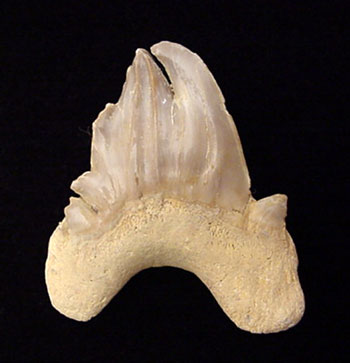
Our showcased tooth features a dramatic split crown, where the main crown is divided into two distinct sections. This is not the result of damage or repair; it is a natural, unaltered pathology. There is no restoration or artificial enhancement—what you see is an authentic, fossilized moment in time. For collectors, pieces like this are more than fossils. They are works of natural art.
What Makes Pathologic Teeth So Fascinating?
Unlike typical shark teeth, pathologic examples offer insights into rare growth anomalies. These unusual forms can result from injury, genetic mutation, or unknown environmental factors. Each pathologic tooth is unique and cannot be duplicated, making them highly sought-after additions to private and museum collections alike.
At Buried Treasure Fossils, we often describe them as “true oddities of nature.” They stand apart from the thousands of more conventional shark teeth due to their irregular structure and compelling visual appeal. This particular Otodus tooth with a split crown is a textbook case. Its symmetry is broken yet stunning, with two crown tips appearing as though the tooth is bifurcated down the center. This kind of deformation is rarely seen, making it an extraordinary find.
Why Collectors Love the Unusual
Fossil collectors are drawn to pieces that tell a story. A pathologic Otodus tooth goes beyond being a fossil—it offers a tangible narrative about prehistoric life and the rare events that could alter it. These fossils are conversation starters, often becoming the highlight of any display due to their uniqueness.
Collectors understand that owning a pathologic tooth isn't just about adding another specimen to a shelf. It's about celebrating the unpredictability of nature. Every curve, crease, or split is evidence of life from millions of years ago and a testament to how even the fiercest marine creatures could carry signs of imperfection.
Whether you're a seasoned collector or new to fossil appreciation, encountering something as rare as a “split crown” Otodus tooth is unforgettable. It’s fossils like these that elevate a collection from standard to exceptional.
Sourcing Authentic, High-Quality Fossils
Buried Treasure Fossils is committed to offering genuine, high-quality fossils with no restoration or repair. Authenticity is at the heart of everything we do. Each specimen is hand-selected for its uniqueness, integrity, and visual appeal.
The Khouribga phosphate mining region of Morocco is one of the richest fossil sites in the world, and it continues to yield incredible finds like this one. We take great care in acquiring and presenting these fossils, ensuring that what you receive is not only rare but also preserved in the best condition possible.
When a collector searches for a Pathological Megalodon tooth for sale, the interest isn’t just in size or origin—it’s in uniqueness, rarity, and aesthetic value. Our pathologic Otodus teeth meet those criteria, offering an alternative focal point for fossil lovers seeking something out of the ordinary.
A Treasure Worth Displaying
Displaying a pathologic Otodus tooth is about more than showcasing a rare fossil. It’s about honoring the unpredictable beauty of natural history. The “split crown” design catches the eye and invites questions. It sparks curiosity about the prehistoric world and the events that could shape such a bizarre feature in a predator’s tooth.
These teeth make excellent centerpieces in fossil displays, particularly for collectors who want their collections to stand out. And because each pathologic specimen is truly one-of-a-kind, no two collections will ever be the same.
At Buried Treasure Fossils, we view it as a privilege to bring these rare fossils into the hands of those who appreciate them. We understand the excitement that comes with owning such a unique specimen and the satisfaction it brings to collectors who value the unexpected.
Why Choose Buried Treasure Fossils?
Our mission is to bring genuine, high-quality fossils to passionate collectors around the globe. We focus on authenticity, rarity, and visual appeal. Every fossil we offer is carefully chosen for its excellence and uniqueness, including our selection of pathologic shark teeth.
We don’t just sell fossils—we share nature’s hidden masterpieces. From Moroccan sands to your personal display shelf, our fossils travel with a story waiting to be told.
Bring Home a Natural Wonder
If you're ready to add a truly unique piece to your collection, the split crown Otodus tooth is more than worthy of consideration. It's rare, authentic, and beautifully unusual—a show-stopping fossil that exemplifies the best of what prehistoric nature has to offer.
Explore our collection and uncover other rare fossil treasures waiting to be discovered.
Visit Buried Treasure Fossils to own a true oddity of nature.
Disclaimer: This blog is intended for informational purposes only. It does not encourage or endorse any unethical or illegal practices related to fossil collection. Please always adhere to local laws and regulations and practice environmental responsibility.