

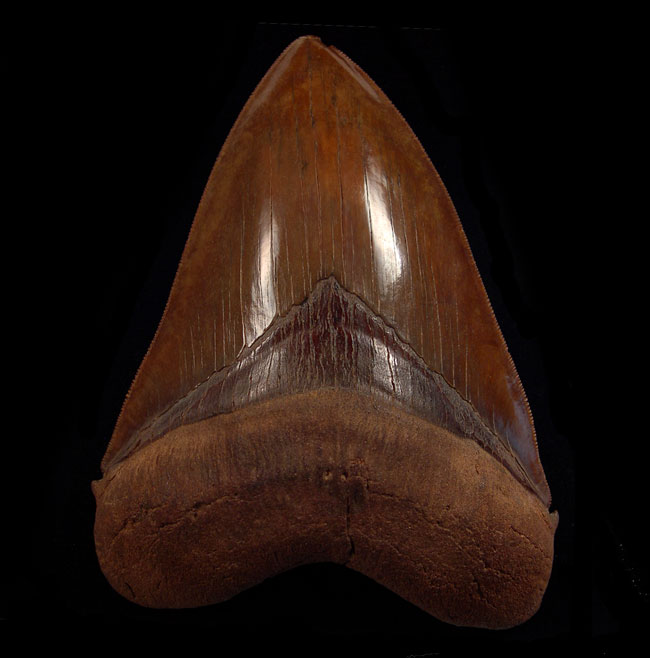
At Buried Treasure Fossils, we take pride in offering some of the rarest and most visually stunning fossil specimens in the world. Among our most coveted items is the Megalodon tooth in North Carolina, especially those that come from the legendary Copper Red Site along the Meherrin River. These remarkable fossils offer a captivating blend of rarity, size, and color that make them an irresistible addition for fossil collectors and enthusiasts alike.
Each tooth from this site tells a story of deep time—formed millions of years ago and preserved through the forces of nature. The striking copper red hue, in particular, is a true visual marvel that sets these teeth apart from others found around the globe. For anyone passionate about Earth’s prehistoric past, these fossils offer not just a glimpse into ancient oceans, but a tangible connection to one of the ocean’s most formidable predators.
The Legacy of the Otodus Megalodon
Millions of years ago during the Pliocene epoch, the oceans were ruled by one of the most powerful predators in Earth’s history—the Otodus megalodon. This massive shark could reach lengths estimated at over 50 feet, and its teeth are among the most iconic and sought-after fossils in the world. Over time, sediment and environmental factors transformed their remains into the awe-inspiring relics we discover today.
But not all Megalodon teeth are created equal. While many are prized for their sheer size or sharp serrations, very few can claim the vivid, natural copper-red coloration that sets Copper Red Site specimens apart.
What Makes the Copper Red Site So Unique?
The Meherrin River region in North Carolina is one of the most elusive fossil locations known to collectors. It is exceptionally rare to come across high-quality Megalodon teeth from this area, and even rarer to find specimens exhibiting the deep copper red hues for which the site is named. The coloration comes from the unique mineral composition of the sediment layers that have fossilized the teeth over millions of years.
These copper-rich soils produce teeth with a dazzling range of red tones—from fiery amber to deep chestnut—that cannot be replicated or artificially enhanced. It’s this natural beauty that makes each tooth a genuine piece of prehistoric art.
Spotlight on a Rare Gem: Ultra Rare, Extra Large Specimen
One of the most exceptional specimens we've featured is an extra large upper jaw anterior Megalodon tooth from this Copper Red Site. Its visual impact begins with the remarkable richness of its copper red enamel, but the intrigue doesn’t stop there.
The enamel is in top condition—dense, lustrous, and tactile—showing only the natural aging that enhances its authenticity. The serrations along the edge are strikingly sharp and nearly flawless, culminating in a well-preserved tip serration. These features contribute to its incredible aesthetic and fossil integrity.
Another defining trait of this specimen is the prominent bite mark found on the display side of the tooth. This isn’t just a cosmetic feature—it’s a fascinating reminder of the fierce interactions that likely occurred between these marine titans.
The tooth also features an extra-large brown bourlette—a band separating the enamel from the root—which offers another unique dimension to its character. The wide and complete root further indicates how well this tooth has weathered the ages, retaining its original structure.
It’s worth noting that a small section on the front center strip of enamel was professionally restored. This was done to address the high point of the tooth only, without compromising the tooth’s natural features or authenticity. As always, we guarantee the genuineness of all our fossils.
The Rarity of North Carolina Megalodon Teeth
What truly elevates a Megalodon tooth in North Carolina to collector status is its scarcity. High-quality specimens from this region are far less common than those from more frequently sourced locations. In fact, collectors often regard Copper Red Site fossils as significantly rarer, making them highly desirable.
These pieces rarely make their way into circulation, especially those with impeccable preservation, coloration, and completeness. Owning one is not just about adding another tooth to your display—it’s about possessing a piece of paleontological history that few others can claim.
The Appeal of Color, Character, and Condition
When it comes to fossil collecting, three elements often define the value and desirability of a specimen: color, character, and condition. Copper Red Site Megalodon teeth check all three boxes.
● Color: The deep, rich copper red hues offer visual appeal that stands out even among large fossil collections.
● Character: Features like bite marks and bourlette patterns provide stories and insights into the fossil's prehistoric life.
● Condition: From sharp serrations to a robust root, the structural integrity of these teeth is remarkable considering their ancient origins.
Each of these features helps transform a fossil from a mere object into a captivating artifact of natural history.
A Testament to Nature's Craftsmanship
We at Buried Treasure Fossils are always thrilled to present specimens that not only reflect the might of prehistoric life but also the natural artistry of fossilization. Our Copper Red Site Megalodon teeth embody both in spectacular fashion.
Every angle reveals another layer of intrigue—from the serrated edges to the color-drenched enamel. These are not just relics; they are treasures shaped by time, pressure, and mineral-rich environments.
Own a Piece of Rare Prehistoric Beauty
If you are searching for a specimen that combines rarity, color brilliance, and undeniable presence, then look no further than our exclusive Copper Red Site Megalodon teeth. These teeth are among the finest examples of fossil beauty and authenticity available today.
Explore our collection and discover why these copper-red fossils are considered crown jewels in the world of Megalodon teeth.
Browse our collection of Copper Red Site Megalodon teeth and add something truly exceptional to your fossil collection.
Disclaimer: This blog is intended for informational purposes only. It does not encourage or endorse any unethical or illegal practices related to fossil collection. Please always adhere to local laws and regulations and practice environmental responsibility.






