Page 88 - Home Page Latest Post
- - September 18, 2025
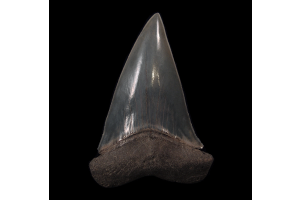
Collectors often chase the big, shiny teeth. But here’s what many overlook. The size of a baby megalodon tooth holds real value. When you understand what that size tells you, you begin to see fossils differently. You stop guessing and start making informed choices. Whether you buy for study, passion, or display, knowing the size range of baby megalodon teeth helps you stay informed and avoid costly mistakes. Let’s unpack how the size of these young shark teeth can shape your buying decision and reveal more than just a number.
Let’s explore more detailed information:
Understand the Real Size Range
Adult megalodon teeth can grow beyond six inches. But when you look at a baby megalodon tooth, you will not find anything close to that. Most baby teeth fall in the range of one to three inches. Some might seem larger at first glance, but context matters. An actual baby tooth exhibits distinct characteristics, including proportion, root development, and enamel pattern, that differ from those of
- - September 18, 2025
Collectors continue to search for fossils that tell unique stories. Megalodon teeth rank among the most famous fossils in the world. Their size and condition attract attention, but one category of tooth stands apart. Pathological megalodon teeth reveal far more than sharp enamel and serrated edges. They display deformities that formed during the shark’s lifetime. These irregularities offer insights into the struggles and resilience of one of the largest predators to have ever existed. When you search for a pathological megalodon tooth for sale, you step into a world where rarity, scientific significance, and collector fascination intersect.
Let’s explore more detailed information:
What Defines a Pathological Tooth?
A pathological tooth exhibits deformities that occurred during the shark’s lifetime. Trauma, disease, or irregular growth often produced these features. Collectors identify them by their unusual appearance. Unlike the perfect triangular form of most megalodon teeth, these specimens
- - September 18, 2025
Fossil collectors often search for pieces that tell a complete story. In Chile, researchers discovered what is now considered the largest megalodon shark tooth ever found. This isn’t just about size. It’s about context, quality, and what the fossil world gains from a specimen this refined. The discovery didn’t surface overnight. Careful work and field knowledge helped make it possible. Today, this tooth invites collectors, scientists, and curious minds to explore its scale and story.
Let’s explore more detailed information:
This Tooth Shows Why Preservation Matters
Experts value more than dimensions when measuring the worth of a fossil. They examine structure, condition, and authenticity. The Megalodon tooth found in Chile checks every box. Its enamel holds sharp serrations. Its root structure remains whole. No restoration hides flaws. That level of preservation separates a display piece from a once-in-a-lifetime discovery. Anyone who studies Megalodon fossils can see that this tooth presents
- - September 18, 2025
Collectors do not look for just any tooth. They search for history they can hold. A Megalodon tooth from West Java offers more than a shape or size. It carries time in its edges and color. When you pick up a fossil that formed over millions of years, you feel the weight of that story. This is not about replicas. This is about genuine discovery. The Megalodon tooth in West Java brings truth to the surface. It shows what survived the ocean’s greatest predator and how nature preserved it until today. That kind of clarity earns attention from real collectors.
Let’s explore more detailed information:
Discover Fossils in a Place That Preserves Them
West Java offers more than scenic landscapes. It preserves ancient marine life on Earth. Rivers cut through the land, revealing fossil layers beneath the surface. These layers formed during prehistoric times. When collectors find teeth in this region, they find evidence of a thriving ecosystem. The ground does not produce fragments. It reveals entire
- - September 18, 2025
Imagine pulling something out of your pocket that’s not just old, but millions of years old. Not your average coin or family heirloom, but a fossil from one of the ocean’s most fearsome predators. That’s the kind of bragging rights you get with a Megalodon tooth.
But let’s be honest, finding one is half the story. Knowing it’s real? That’s the real adventure. And in today’s fossil market, where the fakes often look better than the originals, spotting an authentic Megalodon tooth is almost an art form.
Let’s bite into the facts and fiction to make sure you know what’s in your collection, or your pocket.
What Makes a Megalodon Tooth So Special?
Before we talk fakes, let’s talk facts. The Megalodon was a prehistoric shark that could grow up to 60 feet long. That’s longer than a school bus. Its teeth? Absolutely massive. Some were nearly the size of your hand.
But more than size, a Megalodon tooth holds history. It’s a fossilized clue about life in the oceans millions of years ago,
- - September 18, 2025
Few fossils ignite the imagination quite like the colossal teeth of the Megalodon, a predator that once ruled Earth’s oceans. For fossil collectors, history enthusiasts, and science hobbyists alike, these teeth are more than just prehistoric relics—they are tangible pieces of natural history. If you’ve ever wondered ‘where I can buy a megalodon tooth’, the answer is closer than you think. At Buried Treasure Fossils, we bring the prehistoric world right to your fingertips with a remarkable collection of authentic Megalodon teeth and other fossils that tell the story of Earth’s ancient past.
The Power and Mystery of the Megalodon
The Megalodon (Carcharocles megalodon) was no ordinary shark. Stretching up to 60 feet in length and weighing as much as 70 tons, it was the apex predator of its time. Its bite force has been estimated at an incredible 180,000 newtons—powerful enough to crush the bones of whales with ease. To grasp that power, consider this: a modern Great White shark has only
- - September 18, 2025
Forget boring stock charts and buzzwords like "portfolio diversification.” What if your next big investment came with serrated edges, weighed a few pounds, and was older than the dinosaurs?
Yep, we’re talking about starting a megalodon tooth collection—and no, it’s not just for scientists or fossil geeks. From casual collectors to savvy investors, more people are turning to ancient shark teeth as jaw-some collectibles with serious value.
And the best part? These teeth are millions of years old, but this investment trend feels brand new.
Let’s take a big bite out of the details next.
Why a Megalodon Tooth Collection is a Smart Investment?
The megalodon was an ocean giant, with teeth sometimes exceeding seven inches in length—each tooth a reminder of a powerful predator that once ruled the seas. This rarity makes a megalodon tooth collection not only fascinating but also valuable. Large, well-preserved teeth are becoming scarce as fossil discoveries slow down, pushing prices higher.
- - September 18, 2025
Some people find coins at the beach. Others might stumble on a lost flip-flop or the occasional angry crab. But every once in a while… someone strikes prehistoric gold. That’s precisely what happened when a Florida man recently made a jaw-dropping discovery: a fossilized Megalodon tooth so big that it made him question if he’d accidentally tripped into the past.
Imagine walking your dog, sipping your coffee, and looking down to find a five-million-year-old relic from the ocean’s deadliest predator. What do you do next? If you’re this guy, you joke about time travel, and then seriously consider it.
Let’s dig into the fantastic story of how a man finds a Megalodon tooth, and what it really means to hold ancient history in your hands.
So... What’s the Big Deal About a Megalodon Tooth?
To understand why this story is making waves (pun fully intended), we first need to discuss the Megalodon, the giant shark that once ruled the oceans millions of years ago. This shark wasn’t just big. It was
- - September 18, 2025
If you’ve ever wandered along the sandy shores of Ocean Isle, you might have heard whispers about a megalodon tooth washing ashore. The giant prehistoric shark, known scientifically as Carcharocles megalodon, ruled the oceans millions of years ago, and its massive teeth remain a fascinating relic for beachcombers and fossil hunters alike. But did a megalodon tooth really get lost somewhere nearby? And if you find one, can you keep it? Let’s dive in.
The Legend of the Megalodon and Ocean Isle
The megalodon is often called the king of prehistoric sharks — growing up to 60 feet or more, it had teeth as big as a human hand. For years, stories of megalodon tooth ocean isle discoveries have stirred imaginations. Ocean Isle, with its rich marine history and fossil-friendly beaches, is a hotspot for enthusiasts searching for these ancient treasures.
The question is: how likely is it that a genuine megalodon tooth find lies buried beneath the sand? Keep reading to uncover the facts.
What
- - September 18, 2025
The thrill of holding a fossilized shark tooth from one of the largest predators in Earth’s history is undeniable. For many collectors and investors, the question arises—can you buy a megalodon tooth and be sure it’s authentic? At Buried Treasure Fossils, we understand the excitement of adding such a specimen to your collection, but we also know the importance of separating genuine fossils from convincing replicas. Our goal is to help you explore the science behind verification and provide insights that ensure your fossil investments are trustworthy.
Why Megalodon Teeth Captivate Collectors
The Megalodon is truly a remarkable prehistoric shark, reaching lengths of over 50 feet and leaving behind a fascinating legacy through its extraordinary fossils. Among the most impressive artifacts are its massive teeth, some measuring more than seven inches—an incredible reflection of the size and power of one of the ocean’s mightiest predators. These unique teeth, with their astonishing dimensions